Welcome to Grand China Lucas! | may.zhang@gclpet.com
English
- All
- Product Name
- Product Keyword
- Product Model
- Product Summary
- Product Description
- Multi Field Search

Views: 0 Author: Site Editor Publish Time: 2026-01-27 Origin: Site


You may wonder, can dogs eat cat food? The answer is no. Cat food does not meet your dog's nutritional needs and can cause health problems. If your dog eats cat food, you should watch for signs like vomiting, diarrhea, or a poor appetite. Dogs with sensitive stomachs or conditions such as pancreatitis face extra risks.
Abdominal discomfort
Digestive upset
Worsening of chronic health issues
Take steps to keep your dog safe and healthy.
Cat food is not safe for dogs. It lacks essential nutrients and can cause health issues.
Occasional cat food consumption may not harm healthy dogs, but regular eating can lead to obesity and digestive problems.
Keep cat food out of reach to prevent your dog from sneaking bites. Use feeding strategies like raised surfaces or separate rooms.
If your dog eats cat food, monitor for signs of illness like vomiting or diarrhea. Contact your vet if symptoms occur.
Always choose dog food and treats that meet your dog's nutritional needs for a healthy diet.
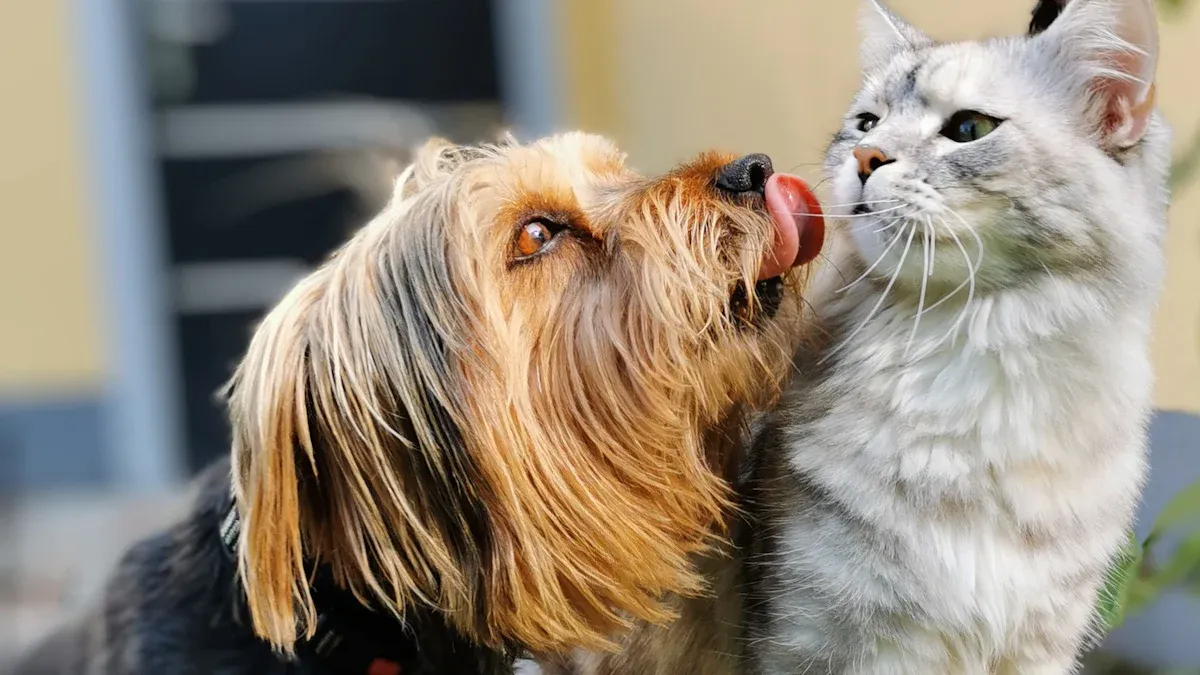
You may ask, can dogs eat cat food? Many pet owners wonder about this, especially when their dog sneaks a bite from the cat’s bowl. Veterinary nutritionists explain that cat food is not toxic to dogs, but it does not suit their nutritional needs. If your dog eats a small amount of cat food once in a while, you probably do not need to worry. Occasional eating cat food may not cause serious problems for most healthy dogs.
However, regular consumption is a different story. Cat food contains higher levels of fat and protein than dog food. If your dog eats cat food often, you may notice digestive upset, weight gain, or even obesity. Dogs with sensitive stomachs can experience vomiting or diarrhea after eating cat food. When is it ok to give a dog cat food? Only in rare cases, such as emergencies when no dog food is available, and only a small amount of cat food should be given.
Veterinary nutritionists highlight several important points:
Cat food is not toxic to dogs, but it is not appropriate for regular feeding due to nutritional imbalances.
Occasional consumption may not lead to significant health risks.
Regular consumption can result in gastrointestinal issues and other health problems.
Oversupply of nutrients from cat food can cause digestive upset in sensitive dogs.
Potential for weight gain and obesity due to higher fat content in cat food.
Many people believe a small amount of cat food is safe for dogs. This is true for healthy dogs, but you should avoid making it a habit. Dogs need a balanced diet designed for their species. Cat food does not provide the right mix of nutrients for dogs.
Here is a table showing common misconceptions about dogs eating cat food and what veterinary professionals say:
Misconception | Evidence |
|---|---|
Small amounts of cat food are safe for dogs | Small amounts of cat food from time to time are unlikely to cause harm, but prolonged consumption can lead to gastrointestinal issues. |
Dogs can thrive on cat food | Switching to a cat-based diet can cause medical conditions like diarrhea due to abrupt dietary changes. |
High-fat cat food is harmless | High-fat diets can lead to serious health conditions requiring medical attention. |
Occasional cat food is fine for all dogs | For dogs with sensitive GI tracts, even small amounts can cause diarrhea or vomiting. |
You may notice your dog sniffing around the cat’s bowl or trying to steal a bite. Dogs find cat food appealing for several reasons. Cat food has a strong smell and taste because it contains more protein and fat than dog food. Dogs have a keen sense of smell, and the aroma of cat food can be irresistible.
Some dogs like to explore and try new foods. If you leave cat food out, your dog may see it as a treat or reward. The texture and flavor of cat food can make it seem special compared to their regular meals. Dogs may also eat cat food out of curiosity or boredom.
If your dog eats cat food, you should watch for signs of digestive upset. Even a small amount of cat food can cause problems for dogs with sensitive stomachs. You can prevent issues by keeping cat food out of reach and feeding your pets in separate areas.
Tip: Feed your dog high-quality treats made for dogs, such as Grand China Lucas Duck Jerky or Chicken Jerky. These treats satisfy your dog’s cravings and support their health.
You want your dog to be healthy and full of energy. Dogs need a balanced diet with enough protein, fat, vitamins, and minerals. Dog food and cat food are not the same because of protein and fat amounts. Dog food is made using rules that help dogs grow and stay strong. Check out the table below to see the lowest protein and fat dogs need:
Life Stage | Minimum Protein | Minimum Fat |
|---|---|---|
Growth (Puppies) | 22.5% | 8.5% |
Adult Maintenance | 18% | 5.5% |
Dog food also has minerals that are important for your dog’s body. These minerals help your dog’s body work well. Here are some examples:
Mineral Name | Role | AAFCO Minimum DM | Common Sources | Deficiency/Toxicity Risk |
|---|---|---|---|---|
Iron | Oxygen transport | 88mg/kg | Meat, organ meats | Anemia, rough coat |
Copper | Enzyme formation, immune function | 12.4mg/kg | Legumes, organ meats | Abnormal growth, neurological issues |
Zinc | Enzyme functions, immune system | 100mg/kg | Most meats | Hair loss, growth disorders |
Pick treats that fit your dog’s needs. Grand China Lucas Duck Jerky and Chicken Jerky are good choices. These treats use real meat and do not have common allergens, so they are smart for your dog.
Cats need different things than dogs. The difference between dog food and cat food is easy to see when you look at what cats must eat. Cat food has too much protein for dogs. Cats need more protein and special nutrients that dogs do not need. Look at the table below to compare:
Nutrient | Cats | Dogs |
|---|---|---|
Vitamin A | Must eat preformed Vitamin A from animal sources | Can convert plant carotenoids to Vitamin A |
Niacin | Must get Niacin from preformed sources | Can convert Tryptophan to Niacin |
Arginine | Cannot make Arginine; need it in diet | Can produce Arginine |
Taurine | Must eat Taurine from meat | Can make Taurine |
Felinine | Need more sulfur amino acids | Not needed |
Dietary Protein | Require more protein | Require less protein |
Arachidonic Acid | Must get from diet | Can make from linoleic acid |
Fasting/Starvation | Risk of hepatic lipidosis | Can use fat reserves |
Cat food is made just for cats. It helps their bodies work right and keeps them healthy. If you have a cat, Grand China Lucas Real-Meat Chicken Cod Cat Treats are tasty and good for them.
Tip: Always give your pets food and treats made for their species. The difference between dog food and cat food is important for their health.
Pet food labels have to follow rules. Both dog food and cat food must show life stages and meet nutrition standards. AAFCO feeding trials or lab tests check these claims. Dog food for big puppies needs extra warnings, but cat food does not.
Nutrition statements must use a set format.
Life stages must be clear on both types.
AAFCO makes the rules for feeding trials.
If your dog eats cat food, you might see problems soon. Cat food has more protein and fat than dog food. This can make your dog’s stomach hurt. Many vets say dogs get sick after eating cat food. You should look for these signs:
Diarrhea or soft stools
Vomiting
Lethargy
Mild bloating
Increased thirst or urination
Loss of appetite
These problems can happen fast. Most healthy dogs get better quickly, but some need more help. If your dog keeps eating cat food, the problems can get worse. Watch your dog and call your vet if you see these signs.
Tip: Give your dog treats made for dogs, like Grand China Lucas Duck Jerky or Chicken Jerky, to keep their stomachs happy.
If your dog eats cat food a lot, it can get sick. Many pet owners worry about cat food bad for dogs. Studies show that eating cat food with lots of fat and protein can make dogs gain weight. Overweight dogs can get kidney disease, Type 2 diabetes, joint pain, high blood pressure, and heart or breathing problems. Dogs that get too heavy may also have liver trouble, breathing issues, and skin problems.
Feeding cat food to dogs can cause more than just weight gain. High-fat foods can cause pancreatitis, which is very painful and dangerous. Research shows overweight dogs are more likely to get pancreatitis. Fatty foods like cat food can start this problem. Check the table below to see how food affects pancreatitis risk:
Study Type | Findings |
|---|---|
Retrospective Study | 39 out of 101 dogs with pancreatitis were overweight (1.3× increased risk) |
Association Study | Unusual food items (OR: 4.3), table scraps (OR: 2.2), trash (OR: 13.2) raise risk |
Most dogs with pancreatitis ate too much fat. Cat food bad for dogs is not just about fat. Cat food can have too much of some nutrients or even harmful things. Some brands have too much selenium or manganese. Others have high lead, aluminum, or antimony. The calcium-to-phosphorus ratio in cat food may not be right for dogs. These problems can hurt your dog’s bones and health.
Nutrient/Toxic Element | Risk Level | |
|---|---|---|
Selenium | 300% of daily recommended value in some brands | |
Manganese | Exceeds recommended value | |
Lead, Aluminum, Antimony | Higher in low-cost brands | |
Calcium:Phosphorus Ratio | Below recommendations, risk of bone disease |
Is cat food bad for dogs? Yes, eating it often can hurt your dog for a long time. Do not give your dog cat food as a meal. Dogs need food made just for them. Cat food does not have what dogs need and can make them sick.
Note: Always pick treats and food made for dogs. Grand China Lucas has healthy choices that help your dog stay well.
You can prevent your dog from eating cat food by changing how you feed your pets. Try feeding your cat on a raised surface, like a counter or shelf, at least three feet high. Most dogs cannot reach this height, so your cat can eat in peace. You can also feed your pets in separate rooms. Place your dog in a crate for about fifteen minutes during your cat’s mealtime. This keeps your dog away from the cat food and helps both pets feel safe.
Some pet owners use timer-controlled feeders. These feeders lift the bowl after ten minutes, so your dog cannot sneak leftovers. You can also distract your dog with a puzzle toy or a Kong stuffed with their own kibble. This keeps your dog busy and less interested in the cat’s meal.
Tip: Give your dog treats made just for them. Grand China Lucas dog treats are low in fat and high in protein. They use 100% human-grade ingredients and do not have grains or artificial additives. These treats help your dog stay healthy and happy.
You can change your home to make it harder for your dog to reach cat food. Install baby gates to block off the kitchen or the room where your cat eats. This simple tool keeps your dog out when you cannot watch them. Always pick up leftover cat food right after your cat finishes eating. Do not leave bowls out for your dog to find.
If you have a curious dog, keep cat food in a closed container. Store it in a cupboard or on a high shelf. This stops your dog from sniffing out the bag and making a mess. You can also set up a special feeding area for your cat that only they can access.
If you want to prevent your dog from eating cat food, use these strategies every day. Offer your dog healthy snacks like Grand China Lucas Duck Jerky or Chicken Jerky. These treats support your dog’s nutrition and keep them satisfied.
If you wonder what to do if your dog eats cat food, you should stay calm. Dogs often get into things they should not eat. You can help your pet by following these steps:
Stay calm. Take a deep breath so you can think clearly.
Move your dog away from the cat food. This prevents your dog from eating more.
Check how much your dog ate and when it happened. Save the packaging if you have it.
Do not try to make your dog vomit unless a veterinarian tells you to do so.
Call your veterinarian or an animal poison control center. Give them details about what happened.
Follow the instructions from the veterinary professional.
These steps help you respond quickly and keep your dog safe. Many pet owners ask, "my dog ate cat food, what should I do?" The answer is to act fast and get advice from a professional.
You should watch your dog closely after it eats cat food. Some dogs may not show any problems, but others can get sick. If you see any of these signs, call your veterinarian right away:
Bloody diarrhea
Vomiting
Lethargy
If these symptoms do not go away or get worse, your dog needs urgent care. Quick action can prevent serious health problems.
Veterinarians see many cases where dogs eat cat food. Most dogs recover well with the right care. The table below shows common health risks and what they mean:
Health Risk | Description |
|---|---|
Pancreatitis | Inflammation of the pancreas. Causes pain, vomiting, and tiredness. |
Nutritional Imbalances | High protein can strain kidneys. Missing nutrients can cause health problems. |
Obesity | Cat food has many calories. Dogs can gain weight and develop other health issues. |
Toxicity | Too much vitamin A or other nutrients can make your dog feel sick and tired. |
If you want to know what to do if your dog eats cat food, remember to act quickly and seek help if needed. Your fast response can keep your dog healthy.
You want your dog to stay healthy and happy. Feeding your dog cat food is not safe. Cat food does not have the right nutrients for your dog. Veterinary experts say high protein and fat in cat food can upset your dog’s stomach and cause weight gain or organ stress. You should always choose food and treats made for dogs. Grand China Lucas offers high-quality treats that support your dog’s health. If your dog eats cat food often, talk to your vet. Your vet can help you pick the best diet for your dog.
Remember:
Cat food lacks key nutrients for dogs.
Regular cat food consumption may harm your dog’s kidneys, liver, and weight.
Ask your vet for advice if your dog eats cat food.
You can give your dog a small amount of cat food if you run out of dog food. Make sure this does not become a habit. Cat food does not meet your dog’s nutritional needs.
You should watch your dog for signs of stomach upset. Remove any remaining cat food. If your dog vomits or has diarrhea, call your veterinarian for advice.
Try feeding your cat on a raised surface or in a separate room. Use baby gates or closed doors to block access. Pick up leftover cat food right after your cat finishes eating.
Yes! Grand China Lucas treats like Duck Jerky and Chicken Jerky do not contain corn, wheat, or soy. These treats use real meat and natural ingredients, making them a smart choice for dogs with sensitivities.


