Welcome to Grand China Lucas! | may.zhang@gclpet.com
English
- All
- Product Name
- Product Keyword
- Product Model
- Product Summary
- Product Description
- Multi Field Search

Views: 0 Author: Site Editor Publish Time: 2026-02-20 Origin: Site


For many devoted dog owners, choosing a diet feels like an endless tug-of-war between convenience and quality. You likely find yourself caught in the "Kibble vs. Raw" dilemma. On one hand, kibble is shelf-stable and easy to scoop, but often lacks the vitality of fresh ingredients. On the other hand, raw diets offer superior nutrition but come with "fridge fatigue"—the constant battle for freezer space, lengthy thawing times, and the messy preparation that busy households struggle to maintain. It is a frustrating trade-off that often leaves owners feeling guilty or overwhelmed.
Enter Air Dried Dog Food, a dietary category rapidly gaining traction as the strategic middle ground. By removing moisture without the harsh heat of traditional cooking, this method promises the nutrient density of a raw diet with the scoop-and-serve simplicity of kibble. But is it truly the best of both worlds, or just another expensive trend? This guide evaluates the processing method, nutritional trade-offs, safety profile, and total cost of ownership to help you decide if the switch is worth the investment.
Nutrient Retention: The slow-drying process (low heat) preserves heat-sensitive vitamins and enzymes significantly better than extrusion.
Ultimate Convenience: Unlike freeze-dried or frozen raw, air-dried food requires no rehydration or thawing—it is strictly "scoop and serve."
Cost vs. Volume: While the price per pound is high, the high caloric density means serving sizes are much smaller than traditional food.
Hydration Alert: Unlike fresh food, this diet lacks moisture; owners must proactively manage water intake.
To understand the value proposition of this diet, we must first look at the technology behind it. Unlike the high-heat extrusion process used for most commercial pet foods, air-drying utilizes a "low and slow" methodology. Fresh ingredients—meat, organs, and bones—are placed in temperature-controlled chambers where warm air circulates continuously. This evaporation process typically occurs between 140ºF and 180ºF. This gentle approach removes moisture to prevent spoilage while keeping the raw ingredients' structure largely intact.
One of the most critical aspects of this process is pathogen management. Raw feeding advocates often worry about bacteria, while kibble feeders worry about nutrient loss. Air-drying bridges this gap with a verified "kill step." The temperature is held high enough and long enough to eliminate dangerous pathogens like Salmonella and E. coli, yet low enough to minimize protein denaturation. This ensures the food is safe for handling without requiring the extreme sterilization that renders food sterile and lifeless.
The result of this process is a dense, jerky-like texture. If you have ever handled Pure Meat Air Dried Treats, you will recognize the consistency immediately. It is firm yet breaks apart easily, offering a tactile engagement for the dog that uniform kibble buttons cannot match. For picky eaters, this texture resembles real prey tissue, often triggering a stronger appetite response than dry, starchy pellets.
Switching to air-dried nutrition offers several distinct advantages that address both canine health and human convenience. These benefits explain why many owners view it as the "Goldilocks" solution in the pet food market.
The ingredient panels on high-quality air-dried foods are often remarkably short and recognizable. Most formulas consist of over 90% meat, organs, and bone. Because the gentle drying process retains natural vitamins, minerals, and enzymes, manufacturers rarely need to add the long list of synthetic vitamin "spray-ons" required in heavily processed diets. You are essentially feeding concentrated nutrition, where every bite delivers a high payload of bioavailable energy.
For owners who aspire to feed raw but cannot manage the logistics, air-dried food is the ultimate "Lazy Raw" hack. There is zero prep time involved—no thawing blocks of meat overnight, no chopping vegetables, and no rehydrating powders. It is shelf-stable, meaning it does not require valuable freezer or refrigerator real estate. This makes it an ideal option for traveling, camping, or living in smaller apartments where storage space is at a premium.
Digestive efficiency is easily monitored by observing what comes out the other end. Because air-dried food has high bioavailability, dogs absorb more nutrients, leading to significantly smaller and firmer stools. This is a stark contrast to diets containing heavy fillers. Furthermore, these formulas lack the starchy binders, such as potatoes or legumes, that are necessary to structurally form Extruded Pet Treats and kibble. Without these difficult-to-digest carbohydrates, dogs often experience less bloating and gas.
Beyond digestion, the high protein-to-fat ratio provides a consistent energy release. Unlike the sugar spikes and crashes associated with high-carb diets, the energy from air-dried food is sustained. We often see a reduction in allergy symptoms as well, simply because the limited ingredient lists eliminate common triggers found in complex commercial formulas.
Despite the glowing benefits, air-dried food is not a perfect system. It introduces specific challenges that owners must navigate to ensure their dog remains healthy and the household budget remains intact.
The most significant physiological trade-off is moisture content. Fresh raw food contains upward of 70% water, which naturally hydrates the dog during digestion. Air-dried food, by definition, has had that moisture removed, sitting at approximately 10-15%. This poses a risk for dogs with a history of kidney issues, urinary crystals, or those who are poor drinkers. If you choose this diet, you must proactively manage water intake, potentially by adding broth to the bowl or ensuring constant access to fresh water.
New adopters often experience "scoop shock." Because the water is removed, the food is incredibly dense. A serving size that meets a dog's daily caloric needs looks tiny compared to a bowl of kibble. Overfeeding is the number one failure mode we see; owners feel guilty about the small portion and add "just a little more," leading to rapid weight gain. You must trust the guidelines and use a scale rather than a volume cup to prevent obesity.
There is an ongoing debate regarding fat oxidation. Unlike freeze-drying, which occurs in a vacuum, air-drying exposes fats to warm air for extended periods. Critics argue this can lead to oxidative stress. However, reputable brands counter this by including potent natural preservatives, such as mixed tocopherols (Vitamin E), to stabilize the fats. It is crucial to verify that the brand you choose uses these natural stabilizers.
Finally, the economics cannot be ignored. The cost-per-day of an exclusive air-dried diet is significantly higher than premium kibble and can even exceed some commercial raw frozen options. For large breeds like Great Danes or Mastiffs, feeding 100% air-dried food may be financially prohibitive for many families.
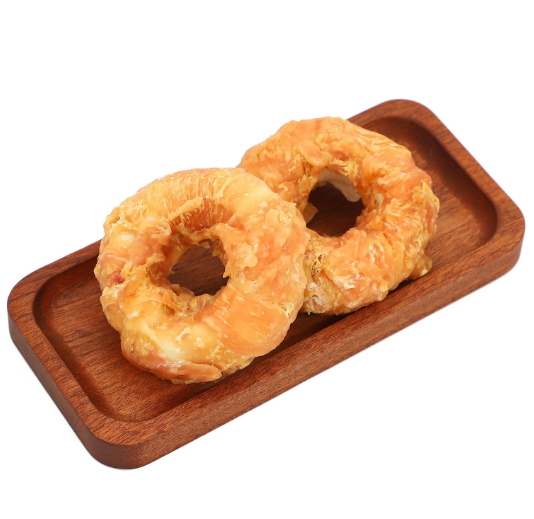
To make an informed decision, it helps to see how air-dried food stacks up against the other major dietary categories across key metrics.
| Feature | Air-Dried | Freeze-Dried | Extruded Kibble | Raw Frozen |
|---|---|---|---|---|
| Texture | Jerky-like, tough | Porous, crumbly | Hard, crunchy | Soft, wet |
| Prep Time | Instant | 5-10 mins (hydration) | Instant | Thaw overnight |
| Processing Temp | Low (140ºF–180ºF) | None (Cold Vacuum) | High (200ºF+) | None (Raw) |
| Pathogen Risk | Low (Kill Step) | Low (HPP/Kill Step) | Very Low | Moderate/High |
The primary difference lies in texture and workflow. Freeze-dried food is porous and crumbly; it is essentially a raw sponge that requires water to reconstitute properly. If you skip the 5-10 minute rehydration step, it can wick moisture from the dog's stomach. Air-dried food, being jerky-like, does not require this step. It is ready to eat immediately, offering a tougher chew that some dogs find more satisfying.
The contrast here is starkest in processing and ingredients. As noted, Extruded Pet Treats and foods undergo high pressure and temperature, which destroys natural enzymes and vitamins. Kibble also relies on starch to bind the kibble into its shape. Air-dried food uses the structure of the meat itself, retaining bioactivity and eliminating the carbohydrate load.
Safety and storage are the defining factors here. Air-drying offers a verified safety step that eliminates pathogens, reducing the risk for immunocompromised households (such as those with young children or elderly residents). Additionally, it eliminates the need for dedicated freezer space, removing the logistical headache of thawing logistics.
If the sticker price of a 100% air-dried diet is out of reach, you do not have to abandon the concept entirely. Smart implementation strategies can deliver health benefits without breaking the bank.
One of the most effective ways to improve a dog's diet is to use air-dried food as a nutrient booster. By replacing just 25% of their regular kibble with air-dried scoops, you dramatically increase the protein quality and palatability of the meal. This is similar to how high-value Wrapped Pet Treats are used in training—they offer a high reward and nutritional punch in a smaller volume. This hybrid approach balances cost while ensuring your dog gets fresh enzymes daily.
Another approach is rotational feeding. You might feed fresh frozen food on weekends when you have time to manage the mess, but switch to air-dried food for busy weekday mornings or when a pet sitter is visiting. This builds a resilient gut that can handle variety and provides the convenience you need during hectic schedules.
Consider the return on investment (ROI) regarding food waste. Fresh food spoils quickly once thawed; if your dog refuses a meal, that money goes into the trash. Air-dried food remains stable in the bag for weeks after opening (if sealed correctly), resulting in virtually zero food waste.
Not all air-dried foods are created equal. Since this category commands a premium price, you should demand premium transparency.
Sourcing Transparency: Look for "Named Source" proteins. A label reading "New Zealand Lamb" or "Grass-Fed Beef" is far superior to generic terms like "Meat Meal" or "Poultry." You want to know exactly what animal is in the bag.
Production Safety: Verify if the brand employs a "test and hold" protocol. Top-tier manufacturers test finished batches for pathogens before they ever leave the facility. This safety data should be accessible or stated clearly on their website.
Ingredient Integrity: Scrutinize the ingredient list for softeners. Some lower-quality brands dilute the meat content with excessive vegetable glycerin to keep the product soft. While small amounts are common, it should not be a primary ingredient.
Air-dried dog food represents the "Goldilocks" solution for modern dog owners. It successfully bridges the gap, offering the nutritional integrity of raw diets with the shelf-stable convenience of kibble. It is an ideal choice for healthy dogs, picky eaters, busy professionals, and avid travelers who refuse to compromise on their pet's health. However, it requires a budget that can support the premium cost and a mindful owner who ensures adequate hydration.
If you are ready to upgrade your dog's bowl, start with a small bag. Use it as a topper first to test palatability and monitor stool quality. Once you witness the enthusiasm at mealtime and the improvement in digestion, you can decide if a full transition is the right move for your household.
A: No, it does not require refrigeration. However, it must be sealed tightly after every use to prevent moisture from entering and to maintain freshness. Store it in a cool, dry place away from direct sunlight.
A: No, rehydration is not required; it is designed to be fed dry. However, if your dog prefers softer textures or needs extra hydration, you can add warm water or bone broth a few minutes before serving.
A: Technically, no. Because the air-drying process involves heat (typically 140ºF–180ºF) to eliminate pathogens, it is not "raw" in the strictest sense. However, nutritionally, it is the closest shelf-stable equivalent to a raw diet available.
A: Yes, provided the specific formula is labeled for "All Life Stages" or specifically for "Growth." Always check the AAFCO statement on the bag to ensure it meets the nutritional requirements for puppies.


