Welcome to Grand China Lucas! | may.zhang@gclpet.com
English
- All
- Product Name
- Product Keyword
- Product Model
- Product Summary
- Product Description
- Multi Field Search

Views: 0 Author: Site Editor Publish Time: 2026-04-24 Origin: Site


Both freeze-dried and dehydrated methods produce premium, single-ingredient options. These natural snacks are vastly superior to mass-market items packed full of artificial preservatives. Pet owners evaluating high-end Pet Treats often face a difficult dilemma. Do you buy freeze-dried or dehydrated? Both techniques remove moisture to extend shelf life. However, their mechanics dictate fundamentally different outcomes regarding nutrition, texture, and safety.
Thermal dehydration dates back to roughly 12,000 B.C. It relies on basic heat evaporation. Freeze-drying represents modern precision. Scientists perfected it during World War II to preserve sensitive blood serum. This historical transition marks a major shift from basic preservation to advanced nutritional retention. We built this objective guide to help you. It provides an evidence-based framework. You will learn how to match the right processing method to your dog's specific biological needs and behavioral habits.
Moisture & Nutrition: Freeze-drying removes ~99% of moisture via sublimation (retaining 95-99% of nutrients/live enzymes). Dehydration removes 90-95% of moisture via heat (retaining 80-90% of nutrients).
Texture & Application: Freeze-dried treats are crunchy and melt quickly (ideal for high-value training and seniors); dehydrated treats are tough and chewy (ideal for dental friction and prolonged engagement).
Safety Mechanisms: Dehydration relies on a thermal "lethality step" (130°F–165°F) to kill pathogens. Freeze-drying relies on High-Pressure Processing (HPP) or rigorous lot-testing to ensure raw-diet safety.
Preparation: If rehydrating, freeze-dried treats absorb water in under 3 minutes; dehydrated options can take up to 10 minutes and only recover about 70% of their original moisture.
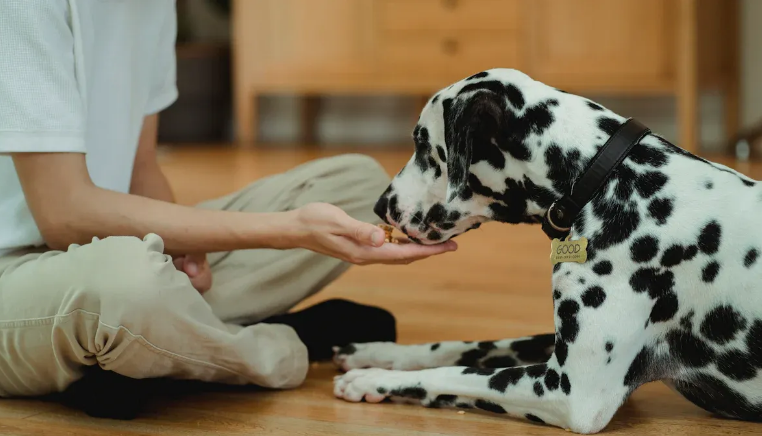
To understand price and quality differences, buyers must understand moisture extraction. Manufacturers use completely different physics to preserve these treats. The underlying science determines the final product appearance, smell, and biological value.
Freeze-drying operates under extreme cold and vacuum pressure. Raw ingredients freeze solid. The machine then creates a deep vacuum chamber. This specialized environment triggers a unique physical reaction called sublimation. Moisture transitions directly from solid ice to a gas vapor. It completely bypasses the liquid phase.
This process protects the food. Sublimation leaves the cellular structure entirely intact. It prevents protein denaturation. The raw ingredient looks almost identical to its original state. The final product simply weighs much less. It feels light and spongy.
Dehydration relies on thermal evaporation. Machines use continuous, low-heat air circulation. Temperatures typically range from 130°F to 165°F. The warm air blows over the raw meat for extended periods. This slowly forces the liquid water to evaporate into the surrounding air.
Heat alters the physical structure. The meat undergoes physical shrinkage. It develops a darker, leathery appearance. The temperature induces a slight cooking effect. The proteins bind together tightly. This creates a dense, tough final product.
Feature | Freeze-Drying | Dehydration |
|---|---|---|
Core Process | Sublimation (Vacuum) | Evaporation (Air Circulation) |
State Change | Solid directly to Gas | Liquid directly to Gas |
Temperature Range | Sub-zero | 130°F to 165°F |
Physical Outcome | Retains original size, light weight | Shrinks heavily, dense and tough |
Protein Status | Raw (Intact) | Slightly Cooked (Denatured) |
Every processing method involves trade-offs. You must balance maximum nutritional retention against pathogen elimination protocols. Industry experts often evaluate this using the live versus dead food spectrum.
Heat degrades food quality over time. Prolonged temperatures destroy heat-sensitive vitamins. Heat also breaks down specific amino acids. It neutralizes live digestive enzymes naturally present inside raw meat. Therefore, high-heat kibble often ranks lower on the nutritional spectrum.
Veterinarians frame freeze-dried treats as true raw food. Zero heat touches the product. These items boast a 95% to 99% nutritional retention rate. They deliver biological value identical to fresh butcher meat.
Experts frame dehydrated treats as a slightly cooked alternative. They retain roughly 80% to 90% of their original nutrients. This slight cooking is not a strict negative. Many dogs possess highly sensitive stomachs. They struggle to digest pure raw diets. Slightly cooked proteins often reduce gastrointestinal distress for these sensitive pets.
Raw meat carries inherent bacterial risks. Food safety regulators require strict compliance. Both processing methods tackle pathogen elimination differently.
The Lethality Step (Dehydration): Dehydration requires temperatures to hit established safe thresholds. For example, poultry must reach 165°F. This thermal lethality step neutralizes dangerous bacteria like Salmonella and E. coli. The heat acts as the primary safety barrier.
Cold Sterilization (Freeze-Drying): Premium freeze-dried facilities utilize High-Pressure Processing (HPP). HPP uses intense cold-water pressure to crush bacterial cell walls. This eliminates bacteria without introducing any heat. It perfectly mitigates the minor safety risks associated with raw meat.
Always verify manufacturing standards. High-quality pet foods and treats undergo rigorous lot-testing. Trustworthy brands hold products until lab results confirm a zero-pathogen status.
Pet owners care about features, but dogs care about outcomes. Texture dictates the entire feeding experience. You should match the treat texture to your specific behavioral goals.
Freeze-dried treats yield a brittle, airy texture. They dissolve rapidly inside the dog's mouth. This makes them perfect for rapid-fire reinforcement during training sessions. You can reward the dog instantly. They swallow the reward quickly. They never break focus to chew.
Dehydrated treats yield a dense, fibrous chew. They demand significant jaw effort. Dogs consume them much slower. This provides mild mechanical scraping along the gumline. It aids plaque control. It also provides excellent mental stimulation for anxious pets.
Many pet owners add water to dry treats. This increases daily fluid intake. It also enhances the food's natural aroma.
We measure rehydration efficiency as a real-world usability metric. Freeze-dried pieces act like biological sponges. They rehydrate completely in under three minutes. They regain their original bouncy raw texture.
Dehydrated pieces resist water absorption. They require up to 10 minutes of soaking. Even after a long soak, they only recover about 70% of their original moisture. They remain somewhat tough in the center.
Budget-conscious consumers often ask a common question. "Can I just make these treats at home?" While DIY sounds appealing, home manufacturing carries significant hidden risks.
True DIY freeze-drying is largely impractical. Commercial freeze-dryers cost many thousands of dollars. They consume massive amounts of electricity. Furthermore, they utilize incredibly loud vacuum pumps. They must run continuously for 24 to 48 hours. Most residential homes cannot accommodate this disruptive equipment.
Home dehydrators are cheap and accessible. However, they introduce a primary failure point: fat rancidity. Raw meat contains intramuscular fat. Home machines struggle to extract this moisture-locked fat properly.
Commercial facilities utilize specialized fat-extraction protocols. They monitor humidity levels perfectly. Home-dehydrated meats lack this precision. The trapped fats oxidize rapidly. This causes home-made jerky to spoil quickly at room temperature. You must refrigerate home-dehydrated treats immediately.
Commercial single-ingredient treats offer necessary safety assurances. They provide incredible convenience. You avoid intense labor hours. You eliminate dangerous spoilage risks.
Neither processing method wins every category. You need a zero-bias scenario matching tool. Evaluate your dog's age, dental health, and training schedule. Use the shortlisting logic below to finalize your decision.
You feed a raw diet: You want a treat matching the biological profile of their daily meals.
You need training rewards: You require high-value, fast-eating snacks. You need pieces easily broken into tiny crumbles.
You own a senior dog or puppy: Your dog has dental sensitivities. They have missing teeth. They require soft food.
You have a picky eater: Maximum nutritional density and potent natural aroma remain your top priorities.
Your dog loves chewing: Your dog possesses a strong chewing instinct. They need a time-consuming treat to keep them occupied.
Your dog has a sensitive GI tract: Your pet tolerates slightly cooked proteins much better than raw meat.
You want budget-friendly options: Dehydration requires less energy overhead. It uses shorter processing times than 24-hour sublimation cycles. The final retail price typically reflects these savings.
You prioritize dental friction: You want a firm treat capable of scraping away soft tartar build-up.
Our final verdict is simple. Neither method is universally better. The correct choice depends entirely on your dog's dental health, training context, and digestive profile. Freeze-drying protects absolute nutritional integrity. Dehydration delivers essential chewing engagement.
Replacing synthetic, additive-heavy supermarket options is crucial. Choosing either freeze-dried or dehydrated natural snacks represents a massive win for pet health. You eliminate artificial dyes and dangerous chemical preservatives from their diet.
Evaluate your primary daily goal right now. Do you need rapid training efficiency or prolonged chewing engagement? Identify your priority. Then, click through to browse the corresponding product category and upgrade your dog's daily routine.
A: Yes. Commercial freeze-dried treats are incredibly safe to handle. Reputable brands utilize High-Pressure Processing (HPP) or strict lot-testing protocols. These safety measures destroy dangerous pathogens before packaging. Handling them carries far less risk than handling raw butcher meat in your kitchen. Wash your hands normally after feeding.
A: Absolutely. Mixing textures provides excellent mental enrichment. You can use freeze-dried pieces for rapid training reinforcement outdoors. You can offer a larger dehydrated chew for indoor relaxation later. Just remember to practice safe ingredient stacking. Balance the combined treat calories against their daily food intake to prevent unhealthy weight gain.
A: Freeze-drying requires an expensive, energy-intensive sublimation process. The specialized machinery must run continuously under extreme vacuum pressure for 24 to 48 hours per batch. Low-heat air drying takes much less time and uses significantly cheaper equipment. You pay a premium for absolute nutritional retention and zero protein denaturation.
A: Dehydrated treats offer beneficial mechanical friction. The tough, fibrous texture helps scrape away soft daily plaque as the dog chews. However, manage your expectations. They provide minor dental maintenance. They never replace professional veterinary dental cleanings or dedicated daily tooth brushing routines.


