Welcome to Grand China Lucas! | may.zhang@gclpet.com
English
- All
- Product Name
- Product Keyword
- Product Model
- Product Summary
- Product Description
- Multi Field Search

Views: 0 Author: Site Editor Publish Time: 2026-02-03 Origin: Site


Raising a puppy involves a constant balancing act between maximizing nutrition and ensuring safety. Every new owner wants the nutrient density that drives optimal growth, yet the risk of pathogens and the logistical mess of thawing frozen raw blocks can feel overwhelming. Many owners feel stuck between feeding processed brown pellets and managing complex, time-consuming raw diets.
Air Dried Dog Food offers a powerful "golden mean" solution for modern puppy parents. It bridges the gap by delivering the high bioavailability of raw meat with the shelf-stable convenience of traditional kibble. This feeding method allows you to scoop and serve without sacrificing the enzymes and nutrients your puppy needs to thrive.
This article goes beyond a simple product list. We provide a decision framework to help you evaluate safety protocols, ensure nutritional adequacy for specific growth stages, and manage costs effectively. You will learn how to select the best fuel for your puppy’s development without compromising on convenience or breaking the bank.
Growth Profile Matters: Not all air-dried foods are suitable for puppies; you must verify AAFCO "Growth" or "All Life Stages" compliance.
The Safety "Kill Step": For puppies with developing immune systems, only choose brands utilizing HPP (High-Pressure Processing) or validated pathogen control.
Cost Management: Air-dried is premium-priced; "Topper Strategies" allow you to capture nutritional benefits without breaking the budget.
Texture Benefits: The jerky-like texture serves as an excellent, high-value alternative to extruded pet treats for teething puppies.
Before analyzing flavors or packaging, you must establish the technical standards a product meets. Puppies are not just miniature adults; their immune systems are developing, and their skeletal structures are growing rapidly. A food that is "good enough" for an adult dog could be dangerous or nutritionally deficient for a puppy.
Raw-style feeding carries inherent risks, particularly concerning pathogens like Salmonella and Listeria. While an adult dog with a robust acidic stomach might handle minor bacterial loads, a puppy is far more susceptible to infection. This is where the manufacturing process becomes critical.
You must look for brands that utilize High-Pressure Processing (HPP) or advanced twin-stage drying technologies (such as Z-TWINTECH®). These methods apply pressure or controlled airflow to eliminate pathogens without using high heat. High heat cooks out natural enzymes and vitamins, defeating the purpose of a raw-alternative diet. HPP ensures the food is safe to handle and eat while remaining biologically "raw."
Decision Action: Scrutinize the brand's website. If they cannot provide a Certificate of Analysis (CoA) or a clear explanation of their pathogen control methodology, reject the product. Safety is non-negotiable for young dogs.
Nutritional adequacy statements are often printed in small text on the back of the bag, but they are the most important words on the package. You must distinguish between "Adult Maintenance" and "Growth" or "All Life Stages."
Formulas designed for maintenance do not have the caloric density, protein levels, or mineral balance required to support a growing puppy. Feeding an adult-only air-dried food to a puppy can lead to malnutrition or developmental delays.
Calcium/Phosphorus Ratios are particularly critical for large-breed puppies (like Great Danes or Shepherds) to prevent skeletal issues. Air-dried meat is naturally high in phosphorus. To be safe for growth, the manufacturer must balance this with calcium, often through ground bone or natural supplements. Ensure the label explicitly states it meets the profiles for growth, including the growth of large-size dogs.
Air-dried food is naturally much higher in fat than standard kibble because it retains the natural animal fats found in meat and organs. While puppies require significant energy for growth, there is a limit to what their digestive systems can handle.
Transparency Note: You should monitor stool quality closely. Excessive fat consumption can lead to loose, greasy stools. In susceptible breeds, such as Schnauzers, high-fat diets can trigger pancreatitis, a painful and serious inflammation. Always check the Guaranteed Analysis; if the fat percentage is exceptionally high (over 30-35% on a dry matter basis), proceed with caution and introduce it very slowly.
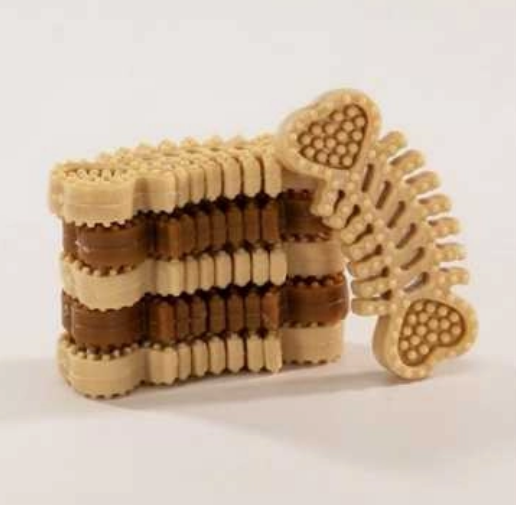
To justify the switch to air-dried food, it helps to understand how it differs from other common options on the shelf. The processing method dictates the nutritional quality and the user experience.
Most commercial dog foods and Extruded Pet Treats are made using extrusion. This process involves grinding ingredients into a dough and blasting them with high heat and extreme pressure. While this creates a shelf-stable product, it often denatures the proteins and destroys natural vitamins.
To compensate for this nutrient loss, manufacturers must spray synthetic vitamin packs onto the kibble after cooking. In contrast, air-dried food uses gentle evaporation. This retains the natural enzymes and vitamins found in the meat, utilizing "Whole Food Nutrition" rather than relying on a chemistry set to meet AAFCO standards.
While both categories aim to preserve raw nutrition, the outcome is different. Freeze-drying uses sublimation in a vacuum to remove moisture while frozen. The result is a porous, crumbly texture that often requires rehydration with water or broth before serving.
Air-dried food is slowly dried using gentle heat. The result is a dense, jerky-like square that is ready to eat immediately. This "scoop and serve" convenience makes it much easier for busy puppy owners compared to the preparation time required for freeze-dried or frozen raw diets.
The most immediate benefit you will notice is waste management. Because air-dried meats offer significantly higher digestibility than starchy kibble, puppies utilize more of the food. This results in smaller, firmer stools. For a puppy currently in the house-training phase, this is a massive logistical advantage.
| Feature | Air Dried | Freeze-Dried | Extruded Kibble |
|---|---|---|---|
| Process | Slow evaporation (Gentle Heat) | Sublimation (Flash Freeze) | High Heat & Pressure |
| Texture | Dense, Jerky-like | Porous, Crumbly | Hard, Crunchy |
| Prep Required | None (Scoop & Serve) | Often needs water | None |
| Nutrient Source | Whole Food | Whole Food | Synthetic Additives |
Rather than providing a generic ranking, we categorize solutions based on specific user needs. Different puppies have different requirements, and identifying unique selling propositions (USPs) helps you choose the right fit.
Some brands, like Open Farm, distinguish themselves with a focus on sourcing and hydration. Their unique selling proposition is often Bone Broth Infused recipes. This solves a common criticism of dry foods by reintroducing collagen and moisture-rich nutrients directly into the meat chunks.
For a growing puppy, the added collagen supports joint development, while the ethical sourcing ensures every bag is traceable back to the farm. If transparency is your priority, this category is the leader.
If your goal is maximum nutrient density, brands like Ziwi Peak are the industry benchmark. Their USP lies in high inclusions of organ meats (heart, liver, kidney) and New Zealand Green Mussels. These mussels are a natural powerhouse of chondroitin and glucosamine.
This means you may not need separate hip and joint supplements during the critical growth windows. These formulas are often Limited Ingredient Diets (LID), making them ideal for puppies who are showing early signs of allergies to common fillers like peas or potatoes.
Newer entrants to the market focus on functional health benefits. You might find specific formulations labeled for "Digestive Health" or "Skin & Coat." These brands often use slow-roasting processes that preserve specific functional ingredients like pumpkin for digestion or flaxseed for coat health, rather than relying solely on the meat source.
You do not always have to feed air-dried food as a full meal. Many professional trainers recommend using air-dried food formulas as Pure Meat Air Dried Treats during obedience sessions.
Puppies have small stomachs. If you train with low-quality treats, you fill them up on empty calories. Air-dried food is highly palatable, ensuring your puppy stays focused, but it is also complete nutrition. This allows you to "pay" your puppy for good behavior using their actual dinner, ensuring they hit their nutrient targets.
The biggest barrier to air-dried food is the price tag. It is significantly more expensive per pound than premium kibble. However, analyzing the Total Cost of Ownership (TCO) reveals a different picture.
When you look at the "Cost per Bag," air-dried food seems prohibitive. But you must calculate the "Cost per Day." Because these foods are 96% meat and organs with no fillers, the caloric density is massive. You might feed 1 cup of kibble but only 1/3 cup of air-dried food to get the same energy.
This means a small bag lasts much longer than you expect. You are paying for nutrition, not fillers that pass right through the dog.
If a 100% air-dried diet destroys your budget, adopt the hybrid approach. Use air-dried food as a meal mixer. By replacing just 25% of the bowl with air-dried food, you significantly boost the overall protein and enzyme content of the diet without the full cost of a raw diet.
This is also a proven "palatability hack." If you have a picky puppy or one who is teething and struggling with hard kibble, the softer, meaty texture of air-dried food can revive their appetite.
There is a constraint you must respect: shelf life. Unlike kibble, which can sit in a bin for months, air-dried food has higher water activity. Once you break the seal, oxidation begins.
Rule: You should aim to finish a bag within 6-8 weeks of opening. Always keep the bag sealed tight or use an airtight container. Do not buy the biggest bag available if you have a small puppy; buy smaller bags to ensure freshness.
Switching a puppy to a high-potency diet requires patience. Their digestive enzymes are adapting, and a sudden influx of rich meat can cause upset.
Standard transition advice usually suggests 5-7 days. For air-dried food, extend this to 10 days. Start with a tiny amount mixed into their old food. The richness of the organ meats can shock a system used to processed starches.
Days 1-3: 25% Air Dried, 75% Old Food
Days 4-6: 50% Air Dried, 50% Old Food
Days 7-9: 75% Air Dried, 25% Old Food
Day 10: 100% Air Dried
It is normal to see some changes, but you must distinguish between "detox" symptoms and intolerance. If the stool remains loose or liquid after 3 days at the same ratio, the fat content may be too high for your specific puppy. Back off the amount or switch to a leaner protein source (like chicken instead of lamb).
Puppies love to chew, and the texture of air-dried food offers a satisfying resistance that is chewy but not brittle. It helps clean teeth better than wet food but is not as abrasive as dental chews.
Safety Note: During the teething phase, avoid Wrapped Pet Treats. These are often made of rawhide or low-quality jerky wrapped around a stick, presenting severe choking hazards. Air-dried chews are a safer, fully digestible alternative that provides the same chewing satisfaction without the blockage risk.
Air-dried dog food represents the pinnacle of convenience and nutrition for puppies. It solves the pathogen risks of raw food while eliminating the synthetic additives found in kibble. However, it is not a magic bullet; you must be diligent in selecting a brand.
Ensure the food meets AAFCO "Growth" standards and utilizes a verified safety kill step like HPP. If the cost is a barrier, do not be afraid to use it as a high-value topper or training treat. Even a small amount adds significant bioavailable nutrition to your puppy's day. Start slowly, monitor their digestion, and enjoy the benefits of a happier, healthier growing dog.
A: Yes, provided you choose a brand that uses a validated pathogen control method. Look for High-Pressure Processing (HPP) or twin-stage drying. These "kill steps" eliminate Salmonella and Listeria while preserving nutrients. Avoid brands that cannot provide a Certificate of Analysis, as puppies have developing immune systems that are vulnerable to bacteria.
A: No. Unlike freeze-dried or dehydrated foods which are porous and require water to become palatable, air-dried food is ready to eat. It retains enough natural moisture to be chewy and palatable right out of the bag, making it a "scoop and serve" solution.
A: Yes, it can. Air-dried food is extremely nutrient-dense and higher in fat than kibble. If you transition too quickly or overfeed, it can overwhelm a puppy's digestion. Always follow a 10-day transition plan and strictly adhere to the feeding guidelines, which are often much smaller volumes than you are used to.
A: Air-dried food is a complete and balanced diet fortified with vitamins and minerals for survival and growth. Wrapped Pet Treats are typically recreational chews meant for entertainment or dental hygiene. Treats do not provide balanced nutrition and should never replace a meal, whereas air-dried food covers all your puppy's dietary needs.
A: Because air-dried food has higher water activity than kibble and contains fewer artificial preservatives, it is more prone to oxidation. You should use the bag within 6 to 8 weeks of opening. Always squeeze the air out and seal the bag tightly to maintain freshness.


