Welcome to Grand China Lucas! | may.zhang@gclpet.com
English
- All
- Product Name
- Product Keyword
- Product Model
- Product Summary
- Product Description
- Multi Field Search


The pet aisle is flooded with options today. Countless colorful packages compete for your attention. However, rising product recalls and vague labeling leave owners questioning what is actually safe to feed their animals. Unsafe treats often lead to veterinary emergencies. These include choking, severe toxicity, and sudden bacterial infections. They also waste your money on empty calories.
While regulatory bodies monitor commercial products, safety ultimately comes down to your choices. You must decode labels, understand ingredient sourcing, and match products to your animal's physical limitations. Manufacturers rely on clever marketing to sell their items. You must rely on facts to protect your companion.
We designed this guide to help you navigate these choices confidently. You will learn an evidence-based, veterinarian-aligned framework to audit your pantry. We will help you shortlist transparent, high-quality products. By the end, you will know exactly how to spot a dangerous product before it reaches your home.
Label transparency is non-negotiable: Ingredients are listed by weight by law; if the first ingredient isn't a recognizable whole protein, the product fails the quality test.
Hazards are both chemical and physical: Synthetic preservatives (BHA/BHT) pose long-term risks, while bleached rawhides and hard hooves present immediate choking and puncture dangers.
Raw treats carry inherent risks: Lyophilized (freeze-dried) and raw-coated treats are not sterile and require strict hygiene protocols to protect both pets and human household members.
Treats are not dietary staples: To prevent obesity and nutritional imbalance, treats must never exceed 5% to 10% of a pet’s total daily caloric intake.
Many buyers assume a product is completely safe simply because a store sells it. This is a dangerous misconception. When examining commercial pet foods and treats, you must understand the rules governing their production. Regulatory oversight provides a baseline, but it has significant limitations.
The FDA regulates pet products under the Federal Food, Drug, and Cosmetic (FD&C) Act. This law requires them to be safe, produced under sanitary conditions, and accurately labeled. The Association of American Feed Control Officials (AAFCO) also establishes model regulations. Most states adopt these AAFCO guidelines as law.
However, a critical gap exists in this system. Pre-market approval isn't required for most ingredients unless they are entirely new additives. The FDA expects manufacturers to use ingredients generally recognized as safe (GRAS). They do not test every batch of treats before shipping. This places the burden of vigilance squarely on you.
Federal regulations mandate a specific format for ingredient lists. Manufacturers must list all ingredients in descending order of predominance by weight. This is the buyer's strongest tool for identifying filler-heavy products. The items listed first make up the bulk of the recipe.
If you see corn, wheat, or unnamed meat meals at the top of the list, walk away. A high-quality product should always feature a recognizable whole protein as the primary ingredient. This simple rule quickly exposes cheap fillers masquerading as premium nutrition.
Despite regulatory frameworks, recalls happen frequently. These events usually trigger when agencies discover severe contamination. Recalls frequently occur due to bacterial contamination like Salmonella and Listeria. They also happen because of toxic excesses, such as Vitamin D toxicity or dangerous levels of aflatoxins from moldy grains.
Many owners love transferring dry goods into aesthetic, unlabelled glass jars. You should avoid this practice entirely. Buyers should actively retain original packaging rather than discarding it. If you must use jars, cut out the label and tape it to the container. Ensuring you can verify your inventory against federal recall databases requires four key pieces of information:
The brand and specific product name.
The exact lot number or batch code.
The "Best By" or expiration date.
The manufacturing facility code if provided.
Danger in the pet aisle takes two distinct forms. Some threats hide quietly in the ingredient list, slowly causing long-term harm. Others present an immediate, physical danger the moment your dog or cat bites down. You must actively screen for both.
You should treat the ingredient label like a hard "do not buy" list. If you cannot pronounce an ingredient, you probably shouldn't feed it to your animal. Avoid synthetic and potentially harmful ingredients at all costs.
Propylene Glycol: Manufacturers use this chemical for moisture control. It keeps semi-moist kibble and chewy snacks soft. However, it is linked to blood anomalies in certain pets. The FDA banned it from cat food, but it still legally appears in dog products.
BHA, BHT, and Ethoxyquin: These are controversial synthetic preservatives. Brands use them to extend shelf life for years. Evidence suggests they have suspected carcinogenic properties. Always look for natural preservatives like mixed tocopherols (Vitamin E) instead.
Artificial Dyes (Yellow 5, Red 40): Dogs and cats do not care about the color of their snacks. Companies add artificial dyes strictly to appeal to human buyers. They are entirely unnecessary for pets and often trigger allergic reactions or behavioral issues.
Vague Meat Sources: Terms like "meat meal," "animal digest," or "poultry by-products" indicate inconsistent, low-grade sourcing. If a brand refuses to specify the exact animal species, they are likely sourcing the cheapest meat available on any given day.
Mechanical risks lead to thousands of emergency vet visits every year. Many items marketed as natural chews are inherently dangerous for canine teeth and digestive tracts.
Bleached Rawhides: Rawhide is a byproduct of the leather industry. It undergoes heavy chemical processing, including lye and bleach baths. It offers poor digestibility and carries a high bowel obstruction risk. Once swallowed, it expands in the stomach.
Cow Hooves and Antlers: These are incredibly popular but highly dangerous. They are often too dense for canine teeth. Chewing them routinely leads to fractured carnassials (the large premolars). They also cause splintering that can perforate the GI tract.
Slippery or Overly Hard Chews: Certain molded dental chews become incredibly slick when wet. Dogs can bypass the chewing phase entirely and swallow them whole. This results in fatal airway obstructions. Always supervise chewing sessions.
Summary Chart: Hazards and Safe Alternatives
Hazard Type | Red Flag Item | Primary Risk | Safe Alternative |
|---|---|---|---|
Chemical | BHA / BHT | Suspected carcinogens | Mixed tocopherols (Vit E) |
Chemical | Meat By-Products | Unknown sourcing/allergens | Named proteins (Beef, Turkey) |
Physical | Bleached Rawhides | Intestinal blockage | Fully digestible Bully Sticks |
Physical | Cow Hooves / Antlers | Tooth fractures | Durable rubber chew toys |
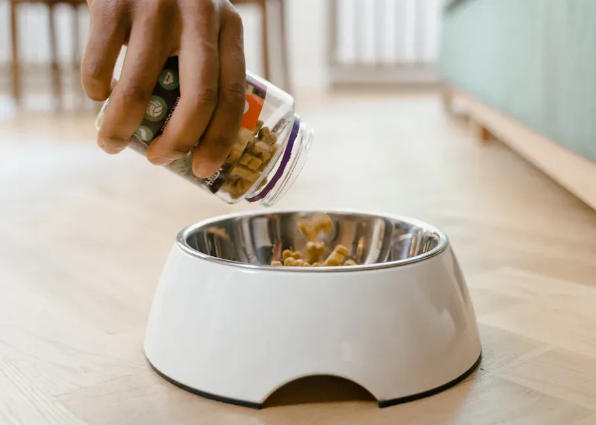
The pet industry has seen a massive surge in raw feeding. Marketers heavily push the "ancestral diet" concept, claiming wolves and wildcats eat raw meat, so our pets should too. This requires a critical reality check.
We must address the ancestral diet marketing claim logically. Modern, domesticated pets have different nutritional requirements and lifespans than their wild counterparts. A wild wolf might only live a few years, whereas we expect our domestic dogs to live well over a decade. Evolution alongside humans has physically altered their digestive tracts, particularly their ability to process starches.
Major health organizations strongly warn against raw feeding. Official health agency stances confirm that freezing, dehydrating, or freeze-drying raw animal products reduces dangerous pathogens. However, these processes do not wholly eliminate them. Lyophilized items can still carry Salmonella, E. coli, and Listeria. When you rehydrate these items or when saliva hits them, dormant bacteria can reactivate.
For buyers who still opt for raw or raw-coated treats, you must implement non-negotiable hygiene standards. Treat these products exactly as you would treat raw chicken on your kitchen counter.
Purchase only from brands utilizing stringent batch-testing for pathogens. They should proudly display their "test and hold" procedures on their website.
Wash hands thoroughly with soap and water for 20+ seconds immediately after handling these products.
Use dedicated scoops to distribute the items. Never use the pet’s food bowl as a scooping tool to prevent cross-contamination in food storage bins.
Protect immunocompromised humans, children, and the elderly in the household from contact with raw pet products. Infected pets can shed bacteria in their feces and saliva, passing it to humans.
You now know what to avoid. Next, you need a proactive strategy to find excellent products. A strict evaluation framework takes the guesswork out of your shopping routine.
We advocate for single-ingredient treats as the gold standard for transparency. Examples include dehydrated chicken breast, beef liver, or sweet potato slices. When a bag contains exactly one item, it makes chemical additives a non-issue. You never have to worry about hidden sugars, artificial colors, or mysterious preservatives.
Look carefully for manufacturing and ingredient sourcing details. Simply reading "Packaged in the USA" is not enough. The ingredients themselves must originate from safe regions. Look for sourcing from countries with stringent food safety standards. The US, Canada, the EU, New Zealand, and Japan enforce strict agricultural protocols. Avoid items sourced from regions with a history of lax quality control and heavy pesticide use.
Every phase of an animal's life demands different physical and nutritional properties. You cannot feed a hard biscuit to an eight-week-old puppy or a toothless senior.
Puppies: They require tiny, low-calorie, soft snacks suitable for high-frequency training repetition. You might reward a puppy fifty times a day during housebreaking. Large items will quickly cause diarrhea and obesity.
Adult Dogs: They benefit from lean, single-protein options to maintain their ideal weight. Dehydrated muscle meats work perfectly for this demographic.
Senior Dogs: They need easily digestible, soft-chew options. These accommodate dental wear and periodontal disease. Look for recipes that support joint health, possibly incorporating natural glucosamine.
Treats add up quickly. We must emphasize the veterinary consensus here. Treats must never make up more than 10% of daily caloric intake. Some board-certified experts even recommend a stricter 5% limit. They do not provide a complete and balanced nutritional profile. If treats go up during a heavy training day, meal portions must come down. Failing to adjust meals directly leads to pet obesity, which shortens their lifespan significantly.
While commercial Pet Treats offer incredible convenience, your refrigerator already holds fantastic options. Sharing human food safely builds your bond and saves money.
We highly recommend fresh, single-ingredient human foods. They bypass commercial processing entirely. They also provide natural vitamins, moisture, and fiber. Excellent options include raw carrots, steamed green beans, and frozen blueberries. You can also offer apple slices, but you must remove the core and seeds first, as apple seeds contain trace amounts of cyanide.
Peanut butter remains a classic favorite for stuffing chew toys. However, you face a severe risk if you buy the wrong jar. If using peanut butter for treat-dispensing toys, mandate the thorough checking of labels for Xylitol. Manufacturers also call it birch sugar or wood sugar. It is an artificial sweetener highly toxic to dogs. It causes a rapid, massive insulin release followed by fatal hypoglycemia and liver failure. Only buy peanut butter containing peanuts and nothing else.
Never assume human food is universally safe. Our bodies process enzymes differently. We must reiterate absolute toxins. You must completely ban onions, garlic, grapes, raisins, and chocolate from your pet's diet. Macadamia nuts and high-sodium or high-fat table scraps are equally dangerous. Bacon grease and fatty trimmings frequently cause acute pancreatitis, leading to expensive hospitalizations.
Safe pet treats are defined by three core pillars. First, they require absolute ingredient transparency, prioritizing whole foods over chemical composites. Second, they must have an appropriate physical density for your pet's jaw to prevent tooth fractures and choking. Finally, they demand strict calorie control to maintain a healthy body weight.
You have the power to protect your animal's health daily. We challenge you to inspect your current treat stash immediately. Read every label in your pantry. Discard products with unrecognizable chemical lists or dangerous physical properties. Moving forward, pivot toward human-grade, single-ingredient alternatives. Your dog or cat depends entirely on your judgment, so make every bite count.
A: While human-grade treats are technically safe, most commercial pet foods and treats are manufactured under lower sanitation standards than human food. Occasional accidental ingestion is rarely dangerous, but there is a genuine risk of bacterial exposure (like Salmonella), and they are not formulated for human nutritional needs.
A: Traditional bleached rawhides carry significant chemical and choking risks. Veterinarians generally recommend fully digestible alternatives like high-quality, unsmoked bully sticks or durable rubber chew toys (like Kongs) stuffed with safe ingredients.
A: Yes. Under federal regulations, all ingredients must be listed by their common names in descending order of weight. If a label uses broad, undefined terms, it is a sign to evaluate a different product.


