Welcome to Grand China Lucas! | may.zhang@gclpet.com
English
- All
- Product Name
- Product Keyword
- Product Model
- Product Summary
- Product Description
- Multi Field Search

Views: 0 Author: Site Editor Publish Time: 2026-04-27 Origin: Site


Have you ever bought a premium bag of rewards only to watch your dog sniff it once and walk away? Many pet owners waste money on highly marketed products. They often struggle to find a reward that truly motivates their dog, especially in high-distraction environments. The reality is remarkably simple: there is no single magic flavor. Irresistibility relies on a biological formula. It depends heavily on canine scent processing, specific receptor activation like umami, and physical texture.
Our goal today is to provide you with an evidence-based framework. We want to help you evaluate and select commercial Pet Treats successfully. You will learn how to match a dog's biological preferences to your specific training needs. We will also cover functional health requirements. By the end, you will understand why smell beats taste and how to troubleshoot picky eaters.
Aroma over taste: Dogs have up to 300 million olfactory receptors but only 1,700 taste buds; if a treat doesn't smell pungent, the flavor rarely matters.
Umami is the primary driver: Canine taste is optimized for the T1R3 receptor, meaning they are biologically hardwired to seek out amino acids found in real meats.
Treat value matters: Flavor selection should be dictated by the scenario—stinky, high-protein flavors for active training, and sweet/savory combos for casual rewards.
Ingredient safety is non-negotiable: High palatability in commercial pet foods and treats should come from real ingredients, not artificial flavorings, and owners must rigorously avoid toxic additives like Xylitol.
When you hand your dog a snack, their flavor experience begins long before the food hits their tongue. It starts entirely in the nose. Dogs process flavor differently than humans do. We rely heavily on our diverse taste buds. Dogs rely almost exclusively on scent.
Dogs possess up to 300 million olfactory receptors. Contrast this incredible number against humans. We have a mere five to six million. However, dogs only have about 1,700 taste buds. Humans possess roughly 9,000. This massive biological discrepancy means a reward must be highly aromatic. If a snack lacks a pungent smell, a dog will rarely show interest. The odor must often border on stinky to human noses to trigger their initial curiosity.
Canine taste buds differ significantly from ours in other ways. Evolution optimized their palates for predatory survival. They possess specific umami receptors. The T1R3 receptor is particularly important. This receptor is highly tuned to detect glutamate and amino acids. These compounds act as biological indicators for high-quality meat. Dogs are biologically hardwired to crave these savory profiles over anything else.
You might wonder why dogs also love peanut butter or fruit. Sweetness acts as a powerful secondary driver. Dogs possess roughly 70 times more sweet receptors than bitter ones. This biological quirk explains the incredible success rate of sweet-and-savory flavor combinations. Pairing liver with a touch of molasses hits multiple receptor targets simultaneously. Serving apple-infused chicken creates a similarly irresistible reward. They seek out sweetness as an indicator of quick energy.
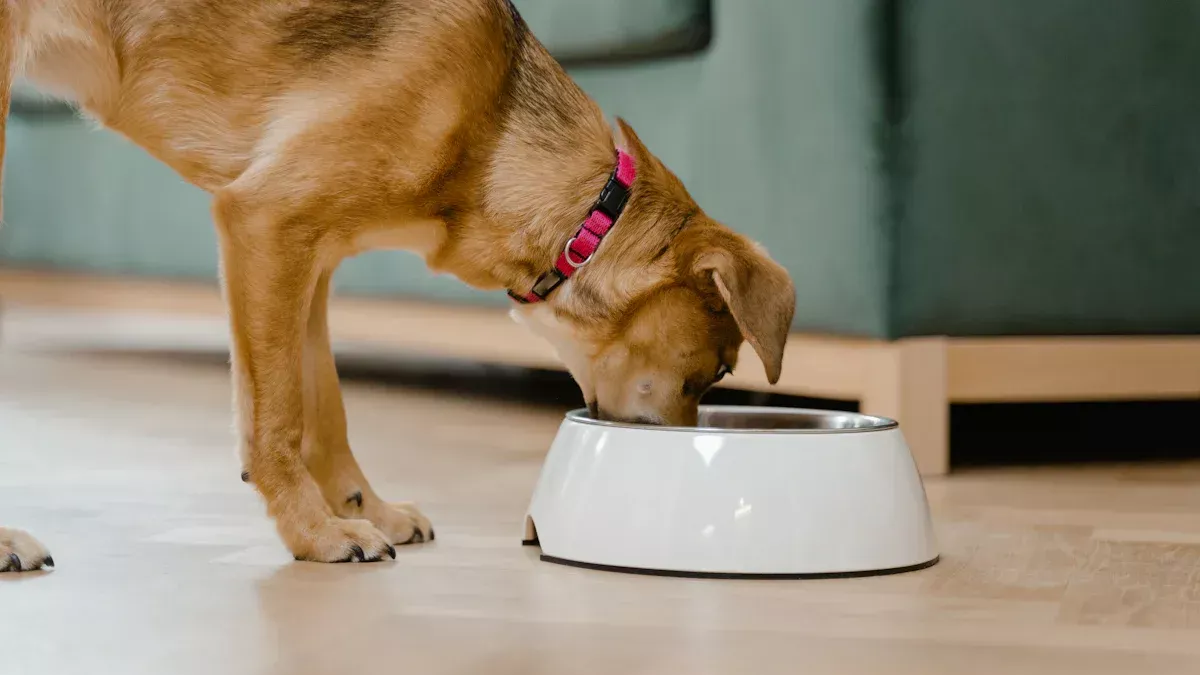
Framing your purchase decision around utility ensures you select the right product. You should categorize rewards by their specific value to your dog. Different environments require distinct motivational levels. A simple biscuit might work in your living room. It will fail miserably at a crowded dog park.
Below is a summary chart outlining the treat value hierarchy. Use this framework to plan your next training session.
Treat Value Level | Typical Flavor Profiles | Best Training Scenarios |
|---|---|---|
Low-Value | Mild chicken, plain vegetables, standard crunchy biscuits | Daily reinforcement, low-distraction environments, high-volume repetition |
Medium-Value | Peanut butter, cheese, soft fruit-infused meats | Standard obedience training, lick mats, moderate-distraction environments |
High-Value | Freeze-dried liver, salmon skin, tripe, sardines | Recall training, counter-conditioning, extreme behavioral distractions |
Standard crunchy biscuits and mild vegetable flavors fall into this baseline category. They lack the pungent aroma needed for intense focus. However, they serve a vital purpose. Use these mild flavors for daily reinforcement at home. They work perfectly in quiet, low-distraction environments. You also need them for high-volume repetition exercises. If you practice a trick fifty times, strict calorie control remains necessary. Low-value options prevent accidental weight gain.
These flavors step up the olfactory game significantly. Think of peanut butter, cheese, or soft fruit-infused meats. Chicken and apple combinations remain incredibly popular here. These sweet and savory options provide a stronger scent profile. They offer excellent motivation for standard obedience training. You can also use them to stuff enrichment toys effectively. Lick mats and puzzle feeders rely on these engaging flavors. They keep dogs focused in moderate-distraction environments like an empty local park.
When you need maximum focus, you must bring out the heavy hitters. Freeze-dried liver from beef or pork dominates this tier. Salmon skin, green tripe, and sardines also provide incredible results. These items rely on maximum olfactory output. They emit pungent, biological smells. These intense odors trigger a dog’s deepest predatory instincts. Reserve these ultra-aromatic flavors for critical scenarios. Recall training requires them. Counter-conditioning reactive behaviors depends on them. You need heavy hitters to overcome severe behavioral distractions.
You can achieve more than just good behavior when you choose the right flavor. Selecting specific profiles helps solve secondary health issues. We can connect taste directly to holistic health benefits. Every protein and fruit offers a distinct functional advantage.
Savory proteins form the absolute foundation of most high-quality rewards. They provide the amino acids dogs crave.
Beef and Liver: These options produce a rich, incredibly dense aroma. They remain the best choice for extremely picky eaters. Dogs who ignore milder snacks will almost always engage with freeze-dried liver.
Salmon: Fish flavors provide exceptionally high palatability due to their strong scent. Salmon also delivers high levels of essential Omega-3 fatty acids. These powerful nutrients actively support skin health and promote a shiny coat.
Lamb: Many dogs develop standard poultry allergies over time. Chicken can cause itchy skin or upset stomachs for sensitive pups. Lamb offers a highly appealing alternative. It remains gentle on digestion while still satisfying those crucial umami receptors.
Sweet elements often bring unexpected health benefits. They pair perfectly with savory meats to create a well-rounded flavor profile.
Pumpkin: This ingredient acts as an incredible digestion stabilizer. It naturally tastes sweet, making it highly palatable. More importantly, it provides essential fiber. This fiber helps manage both unexpected diarrhea and chronic constipation.
Peanut Butter: This flavor offers a high-value aroma paired with a brilliant sticky texture. The dense consistency forces dogs to lick rather than chew. Licking naturally soothes canine nervous systems. This makes peanut butter ideal for prolonging engagement in puzzle toys.
Cranberry and Blueberry: Manufacturers frequently pair these tart berries with rich meats. They introduce a contrasting flavor profile. They also deliver powerful antioxidant benefits. These antioxidants actively support cellular health and canine immune function.
Knowing what flavors dogs crave only solves half the puzzle. You must also evaluate the actual products sitting on store shelves. When reviewing commercial options, safety and sourcing matter as much as palatability. You must protect your dog's long-term health.
You must learn to look past flashy marketing claims. Label transparency is crucial. Always evaluate the ingredient panel to find true palatability drivers. Real meat should sit firmly as the first ingredient. This guarantees the product provides natural amino acids. Your dog needs these authentic compounds to satisfy their biological umami cravings. Avoid products listing corn or wheat as the primary component.
High-quality products simply do not need artificial flavor enhancers. They do not require excessive sodium to be appealing. The natural scent of freeze-dried or roasted proteins provides more than enough motivation. Artificial smoke flavors often exist merely to mask low-quality base ingredients. You should stick to whole, recognizable food sources whenever possible.
We must issue a clear, evidence-based warning regarding peanut butter flavors. The Xylitol threat is incredibly real. Buyers must meticulously verify the product is free of Xylitol, sometimes labeled as birch sugar. Many human-grade brands now use this low-calorie sweetener. Xylitol is highly toxic to dogs. Even a tiny amount can cause a fatal drop in blood sugar. It can also trigger sudden liver failure. Read every single label closely before purchasing.
Finally, you should always keep caloric density constraints in mind. Rewards must never exceed 10 percent of a dog's daily caloric intake. This strict rule prevents obesity and nutritional imbalances. Flavor concentration techniques offer a perfect solution. Freeze-drying extracts moisture while amplifying scent. This delivers incredibly high reward value with minimal calorie bloat.
Even the most appealing flavor can lose its magic over time. Implementing a smart reward strategy keeps your dog engaged. You must adapt your approach based on your dog's real-time feedback.
Dogs absolutely experience scent and flavor fatigue. If you feed them the exact same salmon biscuit every day, they will eventually lose interest. We highly recommend utilizing a rotation strategy. Try rotating between two or three distinct flavor categories. You might alternate between a fish-based reward and a beef-based one every two weeks. This simple shift keeps their sensory experience fresh. It naturally maintains high motivation levels during challenging training sessions.
You can manipulate how a flavor presents itself without changing the actual product. Texture and temperature manipulation work incredibly well for picky eaters.
Heat Manipulation: Warming soft items slightly in your hand or microwave works wonders. Heat rapidly releases trapped aromatic compounds. This dramatically increases the item's attractiveness to your dog's sensitive nose.
Texture Contrast: Dogs genuinely enjoy interesting mouthfeels. Mixing soft, chewy centers with crunchy exteriors keeps the dog engaged. The physical act of crunching can relieve mental stress. Meanwhile, the soft center delivers a rapid, satisfying flavor payload.
You must learn to read your dog's physical feedback. Owners often confuse genuine excitement with mere tolerance. Indicators of a successful flavor match include immediate eye contact. You will also see rapid lip licking and eager body language. If a dog gently takes the item, drops it, and slowly eats it, they are only tolerating it. When you find a true high-value flavor, their focus snaps to you instantly. They will ignore background distractions completely.
Finding the ultimate flavor requires understanding your dog's natural instincts. The most irresistible options always leverage a canine's biological bias. They rely heavily on pungent aromas and umami-rich proteins.
Keep these core principles in mind moving forward:
Prioritize the dog's specific use case before buying. Decide between low, medium, and high-value options based on whether you are training or just providing enrichment.
Check every single ingredient label carefully. Ensure real amino-acid drivers sit at the top of the list.
Select specific textures carefully. Manipulate temperature when needed to match the training environment and boost overall engagement.
Your next step is to take immediate action. Audit your current reward lineup today. Categorize your existing options into low, medium, and high-value tiers based on their distinct flavor and scent profiles. Then, pick up a highly aromatic freeze-dried meat or fish option. Test this new heavy hitter during your next high-distraction training session. Watch how quickly your dog's focus improves.
A: Dogs are predators by evolution. Pungent, biological smells indicate high-density proteins and essential fats. These intense odors trigger their deepest survival and reward instincts. While humans prefer mild, sweet aromas, a dog’s 300 million olfactory receptors actively seek out the intense, stinky profiles found in liver, tripe, or fish.
A: Yes, peanut butter serves as an excellent high-value reward, provided it contains no Xylitol, added sugars, or excess sodium. It offers a unique, sticky texture that extends engagement in puzzle toys. Furthermore, the roasted scent profiles appeal highly to a dog's biological drive for rich fats and proteins.
A: While single-ingredient human foods like plain boiled chicken, fresh blueberries, or pure pumpkin puree remain perfectly safe, proceed with caution. Commercial treats are specifically formulated, tested, and sized to prevent choking hazards and long-term nutritional imbalances. Always ensure any human food given is free of toxic seasonings like garlic or onion.
A: This usually stems from scent fatigue or a stale product. Treat bags left open rapidly lose their aromatic compounds. Because a dog tastes with their nose first, a lack of smell means a total lack of interest. Always seal bags tightly and rotate between different flavor profiles to maintain high reward value.


