Welcome to Grand China Lucas! | may.zhang@gclpet.com
- All
- Product Name
- Product Keyword
- Product Model
- Product Summary
- Product Description
- Multi Field Search

Views: 0 Author: Site Editor Publish Time: 2026-10-19 Origin: Site


Veterinary clinics see a sharp spike in emergency visits every October. Dogs frequently ingest toxic human candies and discarded wrappers during the holiday. Event organizers and dog owners face a specific challenge. They need safe, high-value rewards that fit the festive theme without risking canine health or triggering allergies. Grabbing a random pumpkin-shaped biscuit off the shelf is not enough. You need a strict evaluation process to select the right Halloween Treats for Dogs. This guide outlines how to audit ingredient transparency, enforce packaging safety, and verify nutritional value. We will show you how to filter out dangerous fillers and manage food sensitivities. You will learn practical steps to maintain a secure environment for every dog that visits your door.
Strict Ingredient Auditing is Non-Negotiable: Human candies containing xylitol, chocolate, and raisins are highly toxic; safe dog treats must be explicitly formulated for canine metabolic systems.
Packaging Dictates Use-Case Safety: For community events or doggy trick-or-treaters, individually wrapped Halloween dog treats prevent cross-contamination and ensure portion control.
Prioritize High-Value Nutrition: Opting for pure meat air-dried dog treats or single-source proteins minimizes the risk of gastrointestinal distress during high-stress holiday environments.
Allergy Management Requires Precision: Utilizing novel proteins and grain-free options (e.g., gluten-free duck coin dog treats) provides a safe baseline for dogs with unknown dietary sensitivities.
Understanding the physiological impact of common Halloween toxins is the first step in protecting canine health. Theobromine, the primary alkaloid in chocolate, metabolizes exceptionally slowly in dogs. It has a half-life of about 17.5 hours in the canine system. This slow processing leads to a toxic buildup that overstimulates the central nervous system and cardiovascular system. Dogs exhibit tremors, seizures, or fatal arrhythmias. Dark chocolate and baking cocoa carry the highest concentrations of theobromine and pose the most severe risks. Milk chocolate requires a larger ingested volume to reach toxic levels, but it still causes severe gastrointestinal upset.
Xylitol presents an even more immediate threat. Manufacturers often label it as birch sugar. You will find it in sugar-free gums, mints, and certain brands of peanut butter. Xylitol triggers a rapid, massive release of insulin in dogs. This causes profound hypoglycemia within 30 minutes of ingestion. The dog will experience weakness, collapse, and seizures, followed by acute hepatic necrosis. Tartaric acid, the toxic principle in grapes and raisins, causes acute renal failure. Even small amounts of raisins hidden in human baked goods can cause irreversible kidney damage within 48 hours.
Commercial dog treats require a strict zero-tolerance policy for artificial colors, excessive sodium, and unnamed meat meals. Ingredients listed vaguely as "meat and bone meal" indicate poor quality control and unpredictable protein sources. Red 40 and Yellow 5 offer no nutritional benefit and can trigger allergic reactions. For owners wanting to maintain a traditional Halloween aesthetic without the toxicity, carob serves as the only canine-safe alternative to chocolate. Extracted from the carob bean, it provides a similar visual appeal and mild sweetness but contains absolutely no theobromine or caffeine.
Evaluating the mechanical risks of treats is just as critical as analyzing their chemical composition. Treat hardness directly correlates with the risk of dental fractures. Slab fractures of the upper fourth premolar are common when dogs chew on excessively hard items like natural bones, antlers, or dense nylon toys. Apply the thumbnail test to any hard treat. If you cannot press your thumbnail into the surface and leave a slight indentation, the treat is too hard for safe chewing. Treats should possess enough structural integrity to encourage chewing but yield under moderate pressure to protect the enamel.
Foil and plastic wrappers from human candy introduce severe gastrointestinal hazards. When swallowed, these materials do not break down in the acidic environment of the canine stomach. They create linear foreign bodies. The intestines attempt to pass the wrapper, causing the bowel to bunch up like an accordion. This cuts off blood supply to the tissue and requires emergency surgical resection. This highlights the absolute necessity for digestible treats or strictly controlled, pet-specific packaging that you remove entirely before consumption.
Natural fall treats also harbor hidden hazards. Fresh fruits often serve as healthy rewards, but specific parts are dangerous. Apple cores and seeds contain amygdalin, a cyanogenic glycoside. When a dog chews and digests the seeds, the amygdalin releases cyanide into the bloodstream. When utilizing fresh fall produce, you must meticulously core and seed apples. Ensure pumpkins are served plain. Never use canned pumpkin pie filling, which contains toxic spices like nutmeg and excessive added sugars.
Perform the thumbnail test on all hard chews before offering them to a dog.
Strip all foil and plastic wrappers from treats before handing them out.
Core and seed all fresh apples to eliminate cyanide risks.
Verify that canned pumpkin is 100% pure puree, not spiced pie filling.
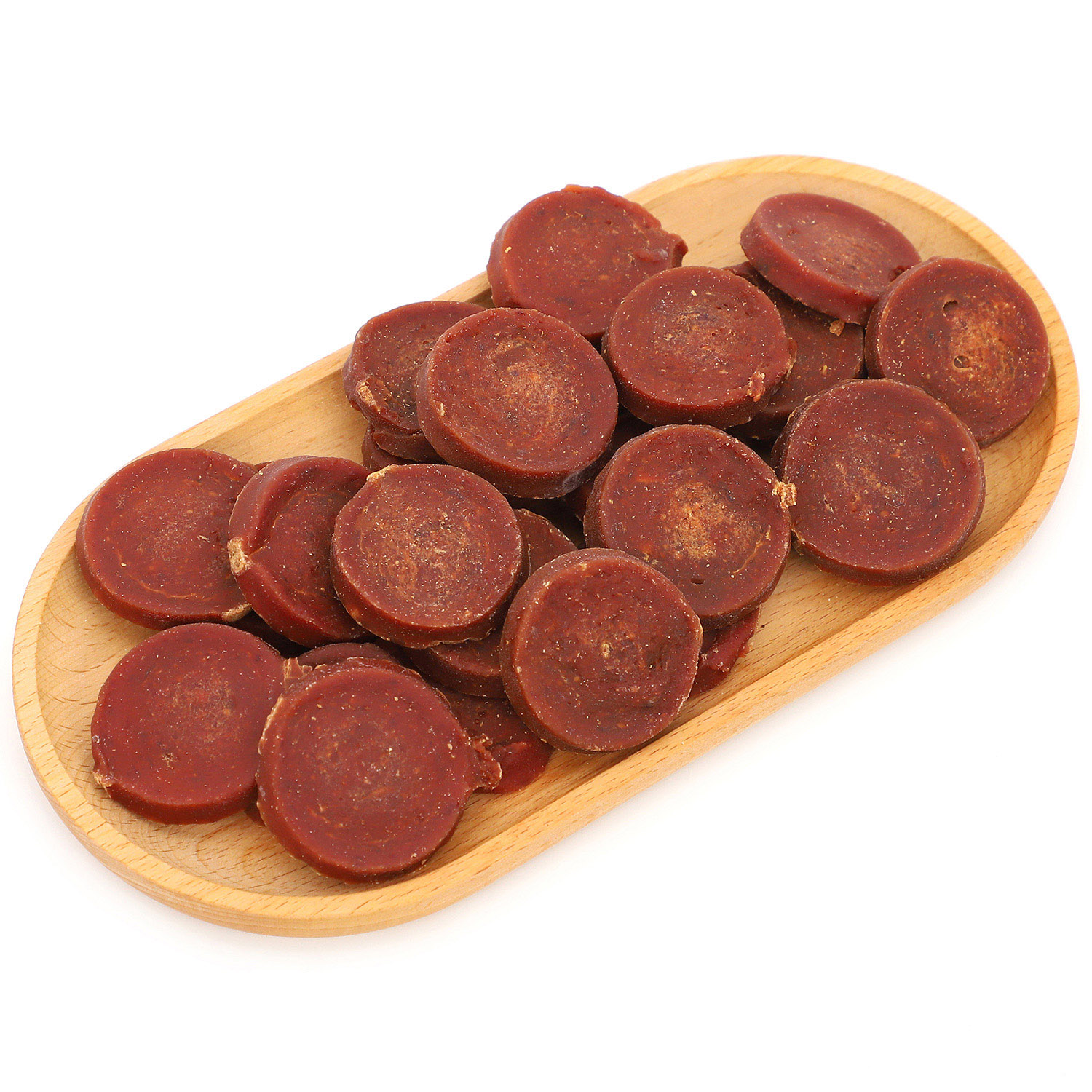
Standardized commercial treats offer distinct advantages for holiday preparation. Verified shelf-life ensures that products purchased weeks in advance remain safe and palatable through October 31st. Commercial packaging provides a guaranteed analysis panel. This panel lists exact macronutrient breakdowns, including crude protein, crude fat, crude fiber, and moisture content. You can use this data to accurately adjust a dog's daily caloric intake to accommodate the extra holiday rewards without causing weight gain.
Reputable commercial treats adhere to guidelines established by the Association of American Feed Control Officials (AAFCO). AAFCO does not directly regulate treats with the same stringency as complete daily diets. However, baseline compliance ensures the absence of known toxins and mandates accurate ingredient listing. For community events, commercial treats offer unmatched convenience for bulk distribution. They provide uniform sizes and consistent quality that homemade alternatives struggle to match. You can easily calculate exactly how many treats you need for an event based on the standardized bag weight and piece count.
Homemade treats grant owners total control over the ingredient profile. This approach eliminates the risk of hidden preservatives or cross-contamination from manufacturing facilities. Simple, three-ingredient recipes utilizing dog-safe whole foods provide excellent nutritional value. A standard reliable recipe combines plain pumpkin puree, xylitol-free peanut butter, and old-fashioned rolled oats. You can also bake shredded chicken mixed with dog-safe vegetables like carrots and peas into small, manageable portions.
DIY treats carry significant limitations regarding water activity and preservation. The lack of synthetic or natural preservatives results in a very short shelf-life. High moisture content in homemade treats encourages rapid mold growth. You must refrigerate them and consume them within three to five days. They lack portability, often crumbling in pockets or treat pouches during neighborhood walks. Homemade treats are entirely unsuitable for handing out to unknown neighborhood dogs. Other pet parents cannot verify the ingredients, leading to valid concerns about allergens, hygiene, and tampering.
Evaluation Factor | Commercial Treats | Homemade Treats |
|---|---|---|
Shelf Life | 6 to 18 months (stable at room temperature) | 3 to 5 days (requires strict refrigeration) |
Ingredient Control | Relies on manufacturer transparency and labeling | 100% absolute control over every component |
Scalability | Excellent for large events and bulk distribution | Poor; highly labor-intensive for large batches |
Trust Factor | High; sealed packaging reassures other owners | Low; strangers cannot verify the safety of ingredients |
The method used to process a dog treat heavily influences its nutritional density and digestibility. Baked treats often require high amounts of carbohydrates, like wheat, corn, or potato flour, to bind the ingredients together. These heavy binders can trigger sensitivities in some dogs and add unnecessary empty calories. Extruded treats undergo high-heat and high-pressure processing. The extrusion machine forces the dough through a die at temperatures exceeding 200 degrees Fahrenheit. This effectively kills pathogens but degrades heat-sensitive vitamins, denatures proteins, and alters essential amino acid profiles.
Air-drying represents a superior processing method. Facilities circulate low-heat air (typically between 140 and 160 degrees Fahrenheit) over raw ingredients for extended periods. This method safely removes moisture to prevent bacterial growth while preserving the raw nutritional integrity of the meat. Opting for pure meat air-dried dog treats ensures a high protein yield without the need for synthetic preservatives or heavy carbohydrate binders. These treats offer exceptional digestibility. They provide a high-value scent profile that commands a dog's attention even in highly distracting environments like a busy Halloween street.
Canine food allergies typically manifest as dermatological issues or gastrointestinal distress. You will see dogs chewing their paws, scratching their ears, or experiencing acute diarrhea. These reactions are usually triggered by common proteins such as beef, chicken, or dairy, as well as specific grains like wheat or soy. When selecting treats for unknown dogs or dogs with sensitive stomachs, a limited-ingredient formula is the safest approach. The fewer the ingredients, the lower the probability of triggering an adverse immune response.
Utilizing novel proteins is a highly effective allergy management strategy. A novel protein is a meat source the dog has rarely or never consumed. Because the dog has no prior exposure, their immune system has not developed antibodies against the protein. Selecting gluten-free duck coin dog treats provides an optimal solution. Duck serves as an excellent novel protein for most domestic dogs. The gluten-free formulation completely bypasses common wheat-based gastrointestinal triggers. This establishes a safe, hypoallergenic baseline for holiday treating.
Hosting dog-friendly Halloween events requires careful logistical planning regarding biosecurity. Open bowls of bulk treats invite cross-contamination. Dogs sniffing or licking the pile, combined with multiple human hands reaching into the bowl, creates a vector for transmitting diseases. You risk spreading kennel cough, canine papillomavirus, or standard bacterial infections. Loose treats also crumble easily, creating a mess on the floor and attracting pests like ants or rodents.
To maintain strict hygiene and scalability, individually wrapped Halloween dog treats are critical. Sealed packaging protects the structural integrity of the treat and prevents environmental contamination. It provides the receiving owner with immediate reassurance. They can read the label, verify the ingredient list, and make an informed decision about whether the treat is safe for their specific dog's dietary restrictions before opening it. This level of transparency builds trust and ensures a safe experience for every participant.
Evaluating the true cost of a pet treat requires looking beyond the retail price tag. You must calculate the cost per kilocalorie and assess the biological value of the ingredients. Bulk treats loaded with corn, soy, and artificial fillers often present a low upfront cost. However, these treats offer negligible nutritional value and are calorically hollow. They require larger feeding volumes to achieve the same behavioral reward effect. This leads to rapid consumption of the bag and potential weight gain for the dog.
Premium single-ingredient treats carry a higher cost-per-ounce but deliver concentrated nutritional density. High-protein, air-dried meats provide intense flavor and aroma. Because the biological value is so high, you only need to dispense a very small portion to satisfy the dog and reinforce positive behavior. You can break a single air-dried coin into four smaller pieces for training. This efficiency offsets the higher upfront cost, making nutrient-dense options a smarter long-term investment for holiday training and treating.
The demand for hygiene and portability creates a direct conflict with environmental sustainability. The safety and convenience of wrapped pet treats are undeniable for community distribution. However, traditional single-use plastic wrappers contribute heavily to landfill waste. Event organizers and pet owners must weigh the immediate safety benefits of sealed treats against the long-term environmental footprint of petroleum-based plastics.
Mitigating this impact involves strict sourcing criteria. Look for brands that utilize recyclable materials or biodegradable individual wrappers. Cellophane made from plant cellulose or polylactic acid (PLA) offers the protective moisture barrier of plastic but decomposes naturally in commercial composting facilities. By prioritizing companies that invest in sustainable packaging technologies, you maintain the hygienic distribution of treats without exacerbating single-use plastic pollution.
The chaotic nature of Halloween increases the risk of accidental ingestion exponentially. Dogs possess a highly developed olfactory system and will actively seek out hidden human candy in bags, buckets, or coat pockets. Strict physical separation is mandatory. Keep all human candy bowls elevated on high counters, completely out of reach of even the tallest dogs. Store backup candy supplies behind closed pantry doors, not in accessible bags on the floor or on low coffee tables.
Establishing a designated safe zone is highly recommended during peak trick-or-treating hours. Constant doorbell ringing and the presence of strangers in costumes trigger anxiety and stress-induced scavenging in many dogs. Secure the dog in a quiet back bedroom. Provide a comfortable bed and use a white noise machine to mask the sound of the doorbell. Give them a durable, safe chew toy to keep them occupied and physically separated from the front door hazards.
Elevate all human candy bowls to counter height or higher.
Store reserve candy behind closed, latched doors.
Set up a quiet back room with a white noise machine.
Provide a high-value, long-lasting chew in the safe zone to occupy the dog.
When greeting neighborhood dogs, human behavior dictates the safety of the interaction. Never feed an unknown dog without securing explicit permission from the owner first. Even if a treat is hypoallergenic, the dog may have specific medical conditions, such as a history of pancreatitis, that require strict dietary control. Always ask the owner directly before extending your hand with food.
For your own dog, use high-value treats strategically for counter-conditioning. If your dog exhibits mild anxiety toward costumes or the doorbell, pair the scary stimulus with a premium reward. The moment the doorbell rings, immediately deliver a small piece of an air-dried meat treat. This protocol changes the dog's emotional response over time. You teach them that unpredictable Halloween noises reliably predict the arrival of their favorite safe food.
Audit your current treat inventory and discard products with unnamed meat meals or artificial dyes.
Pre-order individually wrapped, single-source protein treats to secure allergy-friendly options before the holiday rush.
Set up a designated safe zone in your home to isolate your dog from the front door traffic.
Establish a strict "ask first" rule for anyone in your household handing out treats to visiting dogs.
A: No. Even non-chocolate candies often contain xylitol, which is highly toxic and causes rapid liver failure. Additionally, the excessive sugar causes gastrointestinal upset or pancreatitis, and the wrappers pose severe intestinal blockage risks.
A: Yes, carob is a dog-safe ingredient that looks and tastes similar to chocolate. It does not contain theobromine or caffeine, making it a popular and completely safe choice in festive dog bakery items.
A: Look for commercially sealed, single-ingredient treats or limited-ingredient biscuits. Wrapped pet treats ensure hygiene, prevent cross-contamination, and allow the receiving owner to verify the exact ingredients before feeding.
A: Yes, provided they are broken into appropriate sizes to prevent choking. Air-dried meats are highly digestible and nutrient-dense, making them excellent high-value rewards, but they must be factored into the puppy's daily caloric intake.
A: Duck is considered a novel protein for many dogs, meaning they haven't built up an intolerance to it. Gluten-free formulations also avoid common wheat-based gastrointestinal triggers, making them ideal for sensitive stomachs.
A: Generally, 1 to 4 tablespoons of plain, 100% pure pumpkin puree is safe and beneficial for digestion, depending on the dog's size. Never use pumpkin pie filling, which contains toxic spices and excessive sugar.
A: Contact a veterinarian immediately. Do not induce vomiting without professional guidance, as sharp wrapper edges can cause severe esophageal damage on the way back up. The vet will determine if imaging or surgery is required.


