Welcome to Grand China Lucas! | may.zhang@gclpet.com
- All
- Product Name
- Product Keyword
- Product Model
- Product Summary
- Product Description
- Multi Field Search

Views: 0 Author: Site Editor Publish Time: 2026-11-02 Origin: Site


Black Friday brings a harsh reality for retail operations. It drives massive Q4 revenue but carries a high risk of margin erosion. Aggressive discounting often triggers a race to the bottom that destroys profitability. Independent and mid-market companies face specific hurdles during this season. You struggle with inventory forecasting, supply chain bottlenecks, and warehouse capacity. Structuring promotions that drive volume without devaluing core product lines requires precision. Success demands a structured evaluation framework for Q4 preparation. You need data-driven inventory selection and rigorous supplier vetting. Omnichannel readiness and strategic promotional structuring ensure profitable conversions. We will explore how to maximize margins on Pet Treats and retail inventory during this critical sales period. Proper planning prevents stockouts, protects brand equity, and keeps your fulfillment operations running smoothly.
Data-Driven Forecasting: Historical sales data, Point of Sale (POS) traffic metrics, and Average Order Value (AOV) must dictate inventory purchasing and staffing, preventing costly overstock or stockouts.
Margin Protection Through Bundling: Shifting from flat-rate discounts to strategic product bundling and cross-merchandising protects brand equity and increases total cart value.
Supplier Reliability is Critical: Vetting wholesale partners for lead times, ingredient compliance, and scalability is non-negotiable for Q4 success.
Strategic Sourcing Drives Differentiation: Utilizing private labeling and premium treat categories allows independent brands to compete on value rather than just price.
Alternative Promotional Angles: Leveraging cause marketing and "force for good" campaigns can drive high-intent conversions without relying on deep discounts.
Accurate demand forecasting defines the baseline for Q4 success. You must align inventory capital with projected sales volume. Operational capacity must support this massive influx of orders. Guesswork leads directly to dead stock or missed revenue opportunities. A solid forecast relies on hard data from previous years. It protects cash flow while ensuring you meet customer demand. Over-ordering ties up capital that you could use for marketing or facility upgrades. Under-ordering frustrates customers and damages your brand reputation. You need a precise understanding of your historical performance to set realistic targets. Dead stock takes up valuable pallet space in your warehouse. Pallet space costs money to maintain, heat, and secure. When you over-order based on gut feeling rather than POS data, you choke your fulfillment line and tie up cash that should be working for your business.
Audit previous Black Friday and Cyber Monday data thoroughly. Identify your high-velocity SKUs to prioritize purchasing and warehouse placement. Calculate the baseline AOV from these past events. This metric determines target thresholds for tiered discounts. It also helps structure profitable free shipping offers. Knowing what sold well prevents tying up capital in slow-moving items. Analyze which products frequently sold together to inform bundling strategies. Track the return rates of specific items to avoid problematic inventory. If a product has a high return rate, exclude it from your holiday promotions entirely. Returns destroy margins and consume valuable customer service hours. Look at the physical movement of goods. If a specific heavy item costs too much to ship individually, it needs to be bundled or restricted to in-store pickup only.
Review historical POS data to spot specific traffic trends. Identify the busiest in-store hours and peak e-commerce traffic windows. Use this traffic data to optimize retail floor staffing schedules. Ensure customer service teams scale appropriately for digital inquiries. Adequate staffing prevents customer frustration during high-volume periods. It directly impacts conversion rates across all sales channels. Monitor cart abandonment rates during peak hours to identify friction points. Fix website checkout glitches well before the holiday traffic spike. Implement mobile point-of-sale systems to bust lines during peak physical retail hours. This keeps the checkout process moving and prevents shoppers from abandoning their carts in-store. When a customer waits twenty minutes to pay, they often drop the basket and walk out. Line busting is mandatory for physical retail success.
Review past Q4 fulfillment data to pinpoint operational delays. Look closely at supplier lead times and warehouse processing speeds. Identify any last-mile carrier delays that impacted customer satisfaction. Establish hard cutoff dates for Q4 purchase orders based on constraints. Communicating these deadlines internally prevents last-minute scrambles and panic. It ensures inventory arrives well before the holiday rush begins. Track the performance of specific freight carriers to optimize routing. Build buffer days into your receiving schedule to account for port congestion. Anticipate raw material shortages by diversifying your supplier base early in the year. If a supplier misses a delivery window by two days in November, your receiving dock turns into a bottleneck. Trucks back up in the yard, and your staff stands around waiting for product to arrive.
Categorize your inventory strategically to maximize overall profitability. Divide products into traffic drivers, margin builders, and premium upsells. This balanced approach creates a highly effective promotional strategy. It attracts customers while protecting your bottom line. You must balance low-cost acquisition items with high-margin retention products. A well-structured inventory mix prevents heavy reliance on single product categories. It allows you to pivot quickly if a specific item underperforms during the early hours of a sale. Endcaps need high-visibility items. When a customer walks in, they should immediately see your loss-leaders, drawing them deeper into the store where the high-margin goods live.
Inventory Categorization Strategy | |||
Category | Primary Function | Placement Strategy | Margin Profile |
|---|---|---|---|
Traffic Drivers | Generate initial clicks and foot traffic. | Front of store, homepage banners, email headers. | Low to Break-Even |
Margin Builders | Offset the cost of acquisition and drive profitability. | Mid-aisle, bundled with traffic drivers, checkout add-ons. | High |
Premium Upsells | Increase AOV and build brand prestige. | Eye-level shelving, dedicated display cases, targeted emails. | Very High |
Consumer demand for minimally processed options continues to rise rapidly. Owners actively seek healthier, transparent alternatives for their companions. Evaluate the ROI of sourcing wholesale air-dried pet treats to meet this need. These products attract health-conscious, high-intent buyers to your store. These shoppers willingly pay a premium for quality ingredients. Stocking premium categories elevates your brand perception instantly. It differentiates your inventory from mass-market grocery store alternatives. Highlight the single-ingredient nature of these products in your marketing. Emphasize the nutritional retention benefits of the drying process to justify the premium positioning. Train your floor staff to speak confidently about the sourcing and manufacturing process of these premium items.
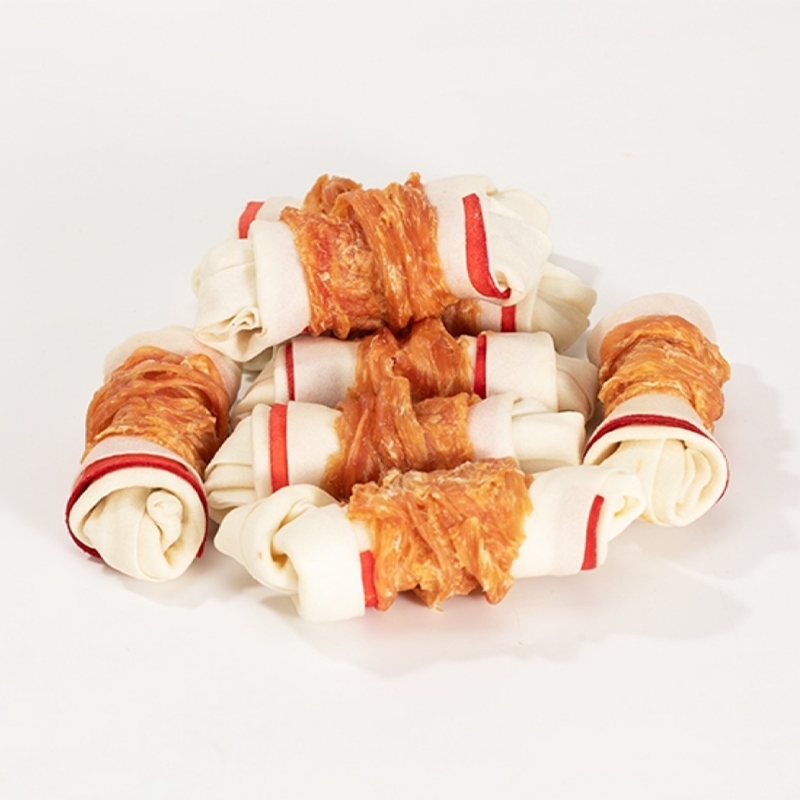
You must stock recognizable, high-turnover items to anchor your promotions. These products draw initial clicks and drive immediate foot traffic. Assess the logistical benefits of bulk-ordering reliable, everyday staples. Items like chicken-wrapped rawhide dog chews serve multiple strategic purposes. Use them as loss-leaders, cart-fillers, or in-store promotional giveaways. They encourage impulse buys and increase overall transaction volume. Place these items near the checkout counter to capture last-minute additions. Feature them prominently in the digital carousels on your website. High-volume drivers absorb shipping costs when bundled effectively with higher-margin goods. Palletize these items near the front of your warehouse for rapid picking and packing during the peak rush.
Holiday shopping inherently involves a psychology of discovery and gifting. Customers look for unique gifts and sampler options for friends. Curating mixed freeze-dried pet treats for retail taps into this mindset. Focus heavily on shelf appeal and perceived consumer value. Outline the operational requirements for assembling these packs early. Variety packs encourage trial and drive post-holiday repeat purchases. They allow customers to test multiple proteins without committing to large bags. Design the packaging to look festive, reducing the need for wrapping. This added convenience appeals strongly to busy holiday shoppers. Ensure your warehouse team has the exact bill of materials required to assemble these packs efficiently if you are kitting them in-house.
Establish a strict rubric for selecting wholesale partners. Commit to manufacturing partners well ahead of the holiday rush. Evaluate them on scalability, reliability, and proactive communication. A supplier must handle sudden volume spikes without compromising quality. Request references from other brands to verify their Q4 performance history. Assess their contingency plans for raw material shortages. A reliable partner communicates delays immediately rather than hiding them. This transparency allows you to adjust your marketing campaigns before stockouts occur. Visit their facilities if possible. Seeing their production line firsthand tells you more about their capabilities than a glossy brochure ever will.
Compare domestic versus international supplier lead times carefully. International freight adds significant transit time and potential customs delays. Analyze how supplier MOQs impact your cash flow and storage. High MOQs can strain warehouse capacity during the Q4 buildup. Balance the cost savings of bulk orders against storage realities. Factor in the cost of holding inventory for several months. Negotiate staggered delivery dates to manage warehouse space effectively. This approach keeps your capital fluid while ensuring a steady supply of inventory. If a supplier demands a massive MOQ that eats up half your warehouse, you need to calculate the holding costs against the unit discount to see if it actually makes financial sense.
Define non-negotiable compliance standards for all sourced products. Ensure strict adherence to FDA, AAFCO guidelines, and GFSI certifications. Sourcing from suppliers with a history of recalls carries massive brand risk. Opaque ingredient sourcing alienates educated and cautious consumers. Strict quality assurance protects your reputation during high-visibility sales events. Request updated certificates of analysis for every batch you receive. Conduct independent lab testing on random samples for added security. Document all compliance checks to build a robust defense against potential liability claims.
Verify all facility audit reports from the past twenty-four months.
Cross-reference ingredient origins to ensure no restricted regions are used.
Establish a clear quarantine protocol for any incoming freight that looks damaged or tampered with.
Maintain a digital log of all lot numbers tied to specific purchase orders for rapid recall capability.
Building brand exclusivity requires a distinct and unique product offering. Utilizing private label pet treats and custom packaging provides a massive strategic advantage. It prevents direct price comparisons with big-box competitors. Consider the trade-offs carefully before committing to this route. You face higher upfront design and tooling costs initially. However, you gain long-term customer retention and absolute margin control. Custom packaging allows you to dictate the unboxing experience entirely. It turns a simple purchase into a memorable brand interaction that encourages social media sharing. Work closely with your packaging supplier to ensure the materials hold up during rough transit conditions. Flimsy packaging destroys the premium feel you are trying to build.
Analyze the tension between compelling deals and premium positioning. Deep discounts can train customers to wait for sales. You must offer value without cheapening your brand identity. Strategic offer structuring solves this conceptual trade-off effectively. It protects the perceived value of your core catalog. Focus on adding value rather than slashing numbers. This mindset shift preserves your margins while still driving massive conversion rates. A customer holding a heavy bag of food is an easy target for a small add-on. Bundling makes this automatic and protects the perceived value of the primary item.
Compare a flat storewide discount against strategic bundles. Curated holiday gift boxes yield higher profitability. Bundling moves stagnant inventory alongside high-velocity items seamlessly. Implement cross-merchandising strategies effectively across your sales channels. Pair premium snacks with non-food items like pet odor solutions. Add grooming supplies or durable toys to create comprehensive lifestyle kits. This increases cart size while masking individual item discounts. It forces the customer to evaluate the total package value rather than line-item costs. Build physical displays that show these items together. If you sell a heavy-duty leash, hang the training rewards right next to it on the pegboard.
Examine the effectiveness of tiered spending models for your store. A tiered offer works exceptionally well to drive up the average order value. This model protects current margins while guaranteeing future revenue. Gift cards drive post-holiday Q1 retention and loyalty. They bring customers back during typically slow retail months. Set clear expiration dates on promotional gift cards to create urgency. Track the redemption rates to measure the true cost of the promotion. Unredeemed gift cards represent pure profit, though you must account for the liability correctly on your balance sheet. Train your cashiers to remind customers how close they are to the next tier before closing the transaction.
Evaluate tying purchases to charitable donations during the holidays. Donate a bag of food to a local shelter for every order over a specific threshold. This attracts values-driven shoppers who care about community impact. It allows you to bypass traditional discount wars entirely. Cause marketing builds immense goodwill and long-term brand loyalty. Partner with recognizable local charities to maximize the impact. Share the results of the campaign transparently on your social media channels. Consumers want to see the tangible results of their purchasing decisions. Stack the donated pallets in the front of your store so customers can physically see the growing contribution.
Launch a holiday-specific product to create immediate urgency. Limited editions drive excitement without discounting core, year-round SKUs. Customers act quickly to secure exclusive items before they sell out. This strategy maintains premium pricing while capturing holiday spending momentum. Design unique packaging specifically for these limited runs. Once the inventory is gone, remove the product from your site to reinforce the scarcity. This trains your audience to act faster during your next promotional event. Keep the production run small enough to guarantee a sell-out. A limited edition that sits on the shelf until February looks like a failure.
Comparison of Promotional Strategies | |||
Strategy | Margin Impact | Customer Retention | Best Use Case |
|---|---|---|---|
Flat Storewide Discount | High Margin Erosion | Low (Attracts Bargain Hunters) | Clearing out old inventory quickly. |
Product Bundling | Moderate Margin Protection | Medium (Encourages Trial) | Moving slow SKUs with high-velocity items. |
Tiered Gift Cards | Excellent Margin Protection | High (Forces Repeat Visit) | Driving Q1 sales and protecting premium brand value. |
Cause Marketing | Variable (Cost of Donation) | Very High (Values Alignment) | Building brand loyalty and community goodwill. |
Fulfilling a massive spike in orders presents harsh physical realities. You must manage in-store crowds and set accurate customer expectations. Proactive risk mitigation prevents operational collapse during peak days. Plan for worst-case scenarios to ensure smooth execution. Document standard operating procedures for handling returns, exchanges, and damaged goods. Train your temporary seasonal staff extensively on these protocols. A well-prepared team handles stress better and provides superior customer service. Walk the warehouse floor and identify trip hazards, narrow aisles, or poorly lit picking zones. Fix these physical issues before the volume hits. A safe warehouse moves faster than a cluttered one.
Maintain a positive physical retail environment during peak hours. Keep aisles clear and streamline the checkout process efficiently. Use high-value snacks as engagement tools for visiting animals. Keep pets occupied and well-behaved while owners navigate busy store aisles. A calm in-store experience encourages longer browsing times and higher spending. Set up designated waiting areas to prevent checkout line congestion. Deploy staff members with mobile tablets to answer questions and locate products quickly. This prevents bottlenecks and keeps traffic flowing smoothly. Ensure your restrooms are clean and well-stocked. Small environmental factors heavily influence how long a customer stays in your building.
Assess your internal warehouse capacity honestly and thoroughly. Determine if utilizing a Third-Party Logistics provider makes sense for your overflow. Ensure real-time inventory syncing between POS systems and e-commerce platforms. This prevents disastrous overselling scenarios that damage trust. Establish clear, consumer-facing communication regarding holiday shipping deadlines. Post these cut-offs prominently on your website and marketing emails. Add buffer days to your internal deadlines to account for carrier delays. Over-communicate tracking information to reduce inbound customer service inquiries. Print your shipping labels in batches to keep the packing stations moving without interruption.
Develop contingency plans for when hero products inevitably sell out. Implement automated notification flows on product pages immediately. Provide alternative product recommendations to capture the sale. Transparent customer communication mitigates negative reviews and chargebacks. Inform buyers immediately if backorders occur and provide realistic timelines. Offer the option to cancel the order or wait for the restock. Empower your customer service team to issue small appeasements for delayed shipments. A proactive apology often turns a frustrated buyer into a loyal advocate.
Identify the out-of-stock item immediately in the inventory management system.
Update the e-commerce storefront to reflect the current status and prevent further orders.
Trigger an automated email to all affected customers explaining the delay.
Provide a clear timeline for restock or offer a comparable substitute product.
Process refunds within twenty-four hours for customers who choose not to wait.
Finalize wholesale orders by late Q2 or early Q3 to guarantee availability.
Lock in promotional structures and bundle configurations by September.
Stress-test fulfillment operations and POS systems throughout October.
Train retail staff on crowd management and cross-selling techniques before November.
A: Pet brands should finalize Black Friday inventory orders between June and August. This 3-to-5 month lead time accounts for manufacturing delays, custom packaging production, and freight transit, ensuring products are warehoused by late October.
A: Independent brands can compete by avoiding flat price wars and instead offering exclusive bundles, limited-edition products, and superior customer experiences. Utilizing private label products also prevents direct price comparison with big-box inventory.
A: The most profitable bundles combine high-margin premium items, like freeze-dried or air-dried proteins, with high-volume staples. Creating thematic bundles, such as a "Heavy Chewer Pack" or "Puppy Training Kit," increases perceived value and average order size.
A: Private label pet treats eliminate the middleman markup associated with distributing established brands. This allows retailers to set their own retail prices, offering compelling Black Friday discounts while still maintaining a healthy gross margin.
A: For premium pet products, tiered spending incentives (e.g., "Spend $150, Get a $25 Gift Card"), cause marketing donations, or "Gift with Purchase" offers are highly effective. These strategies protect the brand's premium perception while incentivizing larger cart sizes.


