Welcome to Grand China Lucas! | may.zhang@gclpet.com
- All
- Product Name
- Product Keyword
- Product Model
- Product Summary
- Product Description
- Multi Field Search

Views: 0 Author: Site Editor Publish Time: 2026-10-26 Origin: Site


As dogs age, their physiological needs shift. The snacks they consumed in their prime can become hazardous to their dental health, digestion, or weight. Pet owners frequently struggle to find rewards that accommodate age-related limitations. Missing teeth, slower metabolisms, and sensitive stomachs present daily hurdles. This is especially prevalent in senior small breeds. The core problem is finding options that address these physical changes without sacrificing palatability or nutritional value.
Selecting the right rewards requires a structured evaluation of texture, caloric density, and ingredient quality. This guide breaks down how to assess and shortlist senior-appropriate options based on veterinary standards and specific age-related health criteria. We will examine how to choose safe Pet Treats that fit an aging dog's lifestyle and physical capabilities.
Texture Dictates Safety: Dental degradation is the primary barrier for senior dogs; treats must be evaluated on a scale from easily crumbled to fully soft-moist to prevent tooth fractures and choking.
Caloric Density Matters: With reduced activity levels, senior dogs require treats that fit within a strict 10% daily caloric allowance to prevent obesity and joint strain.
Ingredient Transparency is Critical: High-value pet treats should prioritize single-source proteins and functional additives (like Omega-3s) while strictly avoiding artificial preservatives, high sodium, and hidden sugars.
Format Flexibility and Portionability: Modern processing methods, such as freeze-drying and air-drying, offer nutrient-dense alternatives to traditional high-carbohydrate biscuits. Additionally, softer formats allow for easy portioning, which is essential for ongoing cognitive training without overfeeding.
Assessing a dog's current dental capability is the foundational step in reward selection. Aging toy breeds, such as Pomeranians, Yorkies, and Chihuahuas, frequently suffer from advanced periodontal disease. This condition weakens the jaw bone, recedes the gum line, and leads to inevitable tooth loss. You must physically evaluate their mouth and observe their eating habits before introducing new textures. Dogs instinctively hide dental pain. They will often attempt to swallow hard items whole rather than endure the discomfort of chewing.
Before purchasing any new snacks, perform a basic at-home dental assessment:
Lift the dog's lips gently to inspect the gum line for severe redness, bleeding, or swelling.
Check for visible tartar buildup or loose teeth, paying close attention to the back molars used for crushing.
Observe the dog eating their regular meals to see if they drop food, chew on only one side of their mouth, or hesitate before biting.
Use the "thumbnail test" to determine safe hardness levels. Press your thumbnail directly into the surface of the product. If your nail cannot dent the material, it is unequivocally too hard for a senior dog. Hard textures risk fracturing fragile enamel or causing severe pain along inflamed gum lines. For dogs that have lost the majority of their teeth, you must rely entirely on "super soft" categories. These formulations ensure zero chewing is required. The product should dissolve easily in saliva, allowing for safe swallowing and eliminating any mechanical choking hazards.
Age-induced metabolic slowing demands strict attention to daily caloric intake. Senior dogs naturally lose lean muscle mass and significantly decrease their daily physical activity. Their basal metabolic rate (BMR) drops. Feeding high-calorie snacks without adjusting their primary diet quickly leads to unwanted weight gain. Extra weight places severe mechanical stress on aging joints, rapidly exacerbating arthritis symptoms and decreasing overall mobility.
Veterinary standards mandate keeping treat caloric intake strictly below 10% of total daily calories. You must calculate this allowance based on their ideal body weight, not their current weight if they are already overweight. Low-calorie options allow you to reward your dog frequently for positive reinforcement without compromising their waistline. Always check the packaging for the specific calorie count per piece to maintain accurate daily tracking.
Dog's Ideal Weight | Estimated Daily Calories | Maximum Treat Calories (10% Rule) |
|---|---|---|
10 lbs (Toy Breed) | 200 - 250 kcal | 20 - 25 kcal |
25 lbs (Small Breed) | 400 - 450 kcal | 40 - 45 kcal |
50 lbs (Medium Breed) | 700 - 800 kcal | 70 - 80 kcal |
75 lbs (Large Breed) | 900 - 1050 kcal | 90 - 105 kcal |
Digestive efficiency declines significantly as dogs enter their senior years. The aging stomach produces fewer digestive enzymes, and intestinal peristalsis slows down. This makes rich, fatty, or highly complex foods difficult to process. You must prioritize highly digestible proteins to prevent gastrointestinal upset. Lean meats and simple, limited-ingredient profiles reduce the functional workload on the pancreas and liver, preventing acute digestive distress.
Natural dietary fibers are equally important to support slowing gut motility. Ingredients like plain pumpkin or sweet potato help regulate bowel movements and prevent constipation, a common issue in sedentary older dogs. Fiber creates bulk in the stool, which stimulates the intestinal lining to keep waste moving. A balanced fiber intake ensures essential nutrients absorb efficiently while keeping the digestive tract functioning smoothly. Avoid products with heavy grain fillers like corn or wheat gluten. These often ferment in the gut, causing painful gas, bloating, and loose stools in older animals.
Modern preservation methods offer significant clinical advantages over traditional high-heat baking. The freeze-drying process utilizes sublimation, removing moisture at extremely low temperatures in a vacuum chamber. This method retains the raw nutritional value, including heat-sensitive vitamins, enzymes, and amino acids, while completely eliminating the pathogen risks associated with handling raw meat. The cellular structure of the ingredient remains intact, creating a unique, sponge-like texture.
High-quality freeze-dried treats for dogs provide exceptional utility for senior companions. You can feed them dry for a slight, safe crunch that crumbles effortlessly under minimal jaw pressure. Alternatively, you can quickly rehydrate them. Place the pieces in a small bowl and add warm water or sodium-free bone broth. Let them sit for three to five minutes. Rehydration creates a soft, mushy texture perfect for dogs with severe dental loss or those recovering from extractions. This format flexibility makes them a highly recommended staple in senior care routines.
Air-drying utilizes a slow-evaporation process that yields a pliable, highly nutrient-dense product. Unlike extrusion or high-heat baking, this gentle method preserves natural flavors and prevents the degradation of essential proteins. The meat is typically cured with natural preservatives and then exposed to low heat over several days. The resulting moisture content typically hovers around 15 to 20 percent, which prevents bacterial growth while maintaining a flexible physical structure.
Incorporating air-dried dog treats and snacks serves as an excellent middle-ground texture. They are significantly softer than standard kibble or dense baked biscuits, yet they still require some basic chewing capability. This makes them ideal for seniors with moderate dental health who still enjoy the mechanical action of chewing. Because the moisture is removed slowly, the nutritional profile is highly concentrated. A very small piece delivers substantial reward value, making it easy to stay within the 10% caloric limit.
Commercial soft-moist treats remain the safest and most practical starting point for the majority of senior dogs. They are exceptionally easy to chew and effortlessly broken into micro-portions. This precise portion control is crucial for teaching old dogs new tricks or reinforcing good behavior without risking caloric overload. The spongy texture mimics fresh food, which often stimulates the appetite of picky older eaters who have lost some of their olfactory sensitivity.
When evaluating moisture-rich formulations, you must carefully scrutinize the ingredient label. Lower-quality brands frequently rely on propylene glycol or excessive artificial syrups to maintain a soft texture on the shelf. These chemical humectants can disrupt digestion and cause unnecessary blood sugar spikes. You should advocate for natural humectants like vegetable glycerin or natural meat broths. These alternatives keep the product safely soft without introducing synthetic chemicals into an aging system.
Traditional jerky can be dangerously tough and severely strain an aging jaw. Thick, leathery pieces pose immediate choking hazards if a senior dog attempts to swallow them whole. Furthermore, dense jerky requires prolonged gastric acid exposure to break down. This can trigger vomiting or acid reflux in dogs with weakened digestive systems. However, you do not need to abandon jerky formats entirely.
You must source specifically formulated low-fat chicken jerky dog treats designed for easy tearing. Tender beef jerky pieces that are mechanically scored or heavily tenderized also work exceptionally well. These physical modifications prevent choking and ensure the meat breaks down rapidly in the stomach. Low-fat profiles are absolutely essential here to reduce pancreatic strain during digestion, making them a safe, high-protein reward. Always test the jerky yourself; if you cannot easily tear it apart with your fingers, it is too tough for your senior dog.
Keeping a senior dog feeling full while strictly managing their weight requires strategic ingredient pairing. Low-glycemic vegetables combined with lean proteins offer the best clinical results. This combination provides physical volume in the stomach. The fiber creates stretch in the stomach lining, triggering satiety signals to the brain without delivering a massive caloric load. Managing hunger prevents behavioral issues like begging or scavenging, which often emerge when diets are restricted.
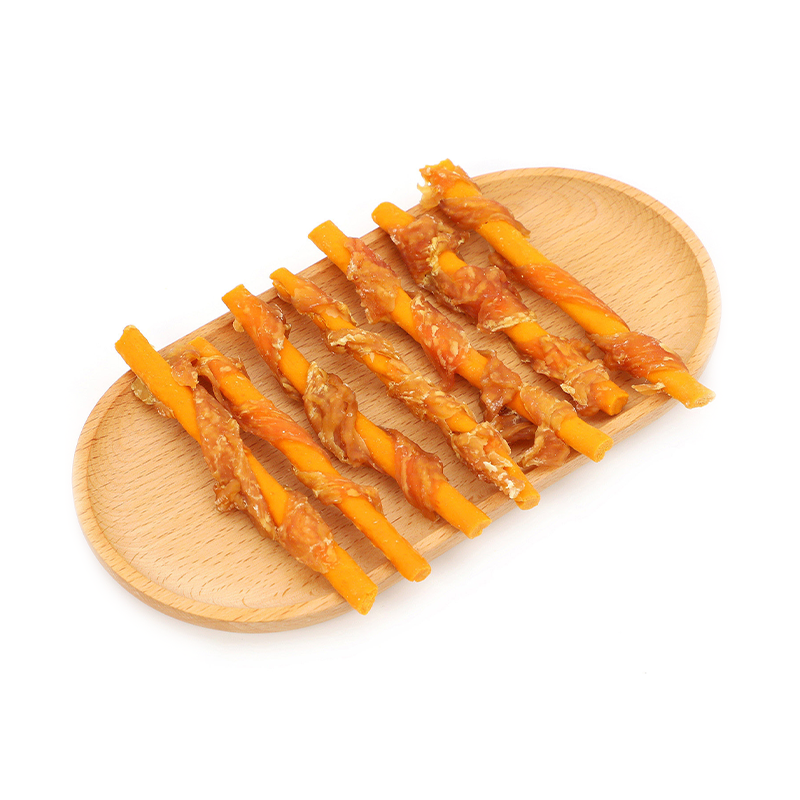
Utilizing low-calorie chicken and carrot dog treats represents an optimal formulation for this specific goal. The carrots deliver satisfying dietary fiber, beta-carotene, and essential vitamins, while the chicken provides high-value taste and easily digested protein. This pairing ensures satisfaction without caloric overload, keeping aging joints free from the stress of excess body weight.
Many older dogs suffer from osteoarthritis and generalized joint inflammation. You can evaluate products fortified with functional ingredients to support daily mobility. Look for specific additions like Glucosamine, Chondroitin, and Omega-3 fatty acids. Excellent marine sources of EPA and DHA include wild salmon, green-lipped mussels, or menhaden fish oil. Chia seeds and flaxseed provide valuable plant-based ALA, which also contributes to reducing systemic inflammation by inhibiting the production of inflammatory prostaglandins.
However, you must understand a critical caveat regarding fortified snacks. They rarely contain therapeutic doses of joint supplements. A single biscuit will not provide the milligram count required to actively rebuild cartilage or stop severe pain. These items should complement, not replace, primary joint care protocols and medications prescribed by your veterinarian. View them as a supportive dietary layer rather than a primary treatment.
Brain health and cellular function require targeted nutritional support as dogs age. Canine Cognitive Dysfunction (CCD) affects many seniors, leading to confusion, pacing, and altered sleep cycles. Antioxidants play a vital role in neutralizing free radicals that accelerate cellular aging and damage brain tissue. Ingredients like blueberries, sweet potatoes, and cranberries offer excellent, natural antioxidant profiles.
Medium-chain triglycerides (MCTs), often derived from coconut oil, provide an alternative energy source for aging brains that struggle to metabolize glucose efficiently. MCTs cross the blood-brain barrier rapidly, providing immediate fuel for cognitive processes. Incorporating these specific elements into daily rewards supports cognitive sharpness. It helps maintain baseline organ function and keeps senior dogs mentally engaged with their environment and their owners.
Older digestive systems struggle immensely to process heavy, fat-laden foods. There is a direct, clinically proven link between high-fat snacks and acute pancreatitis in older dogs. The pancreas becomes inflamed when forced to release massive amounts of enzymes to break down sudden influxes of fat. Commercial sausages, bacon-flavored strips, or heavy cheese-based snacks often trigger severe gastrointestinal distress. Pancreatitis causes extreme abdominal pain, vomiting, and requires immediate, costly veterinary intervention. Prevention through strict diet management is always the best approach.
Excess sodium presents another severe risk for aging pets. High salt content exacerbates underlying cardiac conditions by increasing blood volume, which raises blood pressure and forces a weakened heart to pump harder. It also forces compromised kidneys to work overtime to filter the excess minerals. Many commercial products use salt heavily as a cheap flavor enhancer. Always check the guaranteed analysis to ensure sodium levels remain low, particularly if your dog has a history of heart murmurs or renal insufficiency.
Dental fragility makes hard chews extremely dangerous for seniors. You must explicitly avoid hard rawhide, antlers, animal hooves, and dense marrow bones. These items frequently cause catastrophic tooth fractures that require surgical extraction under general anesthesia. Putting a senior dog under anesthesia carries significant risks. The mechanical force required to break these items is simply too high for aging jaws.
Furthermore, seniors often attempt to swallow large pieces whole as chewing becomes increasingly difficult. Indigestible materials like rawhide expand when exposed to gastric acid in the stomach. This expansion causes life-threatening intestinal blockages that require emergency surgery. Stick strictly to fully digestible, soft-texture options that dissolve easily and pass safely through the digestive tract.
Manufacturers often use heavy sweeteners to increase palatability in lower-tier products. You must identify common label obfuscations like corn syrup, molasses, fructose, or maltodextrin. These hidden sugars contribute heavily to canine diabetes, promote obesity, and drive systemic inflammation. Sugar also feeds Malassezia yeast infections, which frequently plague the ears and paws of older dogs with weakened immune systems.
Artificial additives pose unnecessary risks to older organs. Synthetic colors (like Red 40, Blue 2, or Yellow 5) and chemical flavorings offer zero nutritional benefit. They force the aging liver and kidneys to work harder to filter these synthetic compounds from the bloodstream. Always prioritize ingredient panels that read like whole foods rather than chemical formulas.
Pet owners constantly weigh the convenience of pre-packaged options against whole food alternatives. Commercial senior formulations offer immediate readiness, precise caloric data, and targeted functional ingredients. They are easy to travel with, require zero preparation, and store easily in the pantry. This convenience ensures consistency in daily training and rewarding.
Conversely, whole foods provide highly nutritious, cost-effective alternatives. Steamed carrots, plain canned pumpkin, baked sweet potato slices, plain yogurt, cottage cheese, mashed potato, and fresh strawberries make excellent, safe snacks. The trade-off lies entirely in shelf-stability and preparation time. Whole foods spoil quickly, require refrigeration, and demand daily chopping or cooking. Mixing both approaches often yields the best balance of budget and health.
Snack Type | Preparation Time | Shelf Stability | Cost Efficiency |
|---|---|---|---|
Commercial Senior Treats | None (Ready to feed) | High (Months in pantry) | Moderate to High |
Steamed Carrots / Sweet Potato | 15-20 minutes (Boil/Bake) | Low (3-5 days refrigerated) | Very High |
Plain Canned Pumpkin | None (Open can) | Low (3-4 days refrigerated) | High |
Plain Yogurt / Cottage Cheese | None (Scoop and serve) | Low (Follow expiration date) | High |
Maintaining product freshness introduces a complex trade-off regarding preservatives. Natural preservatives, such as mixed tocopherols (Vitamin E) and rosemary extract, offer a much safer chemical profile for senior dogs. However, they result in a significantly shorter shelf life. Products using natural preservation must be consumed quickly, stored in airtight containers, or refrigerated to prevent the fats from oxidizing and turning rancid.
Artificial preservatives like BHA, BHT, and ethoxyquin extend shelf life for years, allowing products to sit in warehouses without degrading. Yet, these synthetic chemicals carry long-term health controversies and potential carcinogenic risks. For senior dogs with vulnerable immune systems and declining organ function, prioritizing natural preservatives is generally the safer, more responsible long-term strategy, even if it requires buying in smaller batches and managing pantry rotation more closely.
The optimal senior dog treat depends on the individual dog's current dental status, metabolic health, and specific age-related conditions. There is no single universal product that works perfectly for every aging canine. You must evaluate your dog's physical capabilities first and tailor your selections accordingly to ensure safety and nutritional compliance. Filter first by texture to match their dental capability and prevent choking. Second, filter by caloric density to ensure proper weight management and reduce joint stress. Third, filter by functional ingredients to provide targeted support for digestion, cognitive function, or mobility.
Schedule a veterinary consultation to establish an exact daily caloric baseline for your dog based on their ideal weight.
Audit your current pantry and throw away any hard chews that fail the thumbnail test.
Purchase small trial bags of air-dried or freeze-dried options to test gastrointestinal tolerance before committing to bulk purchases.
Weigh your dog bi-weekly to monitor weight fluctuations after introducing new snacks into their routine.
A: Crunchy items are not inherently bad unless the dog has periodontal disease, missing teeth, or a history of swallowing items whole. For dogs with healthy teeth, a light crunch is fine. However, dense biscuits increase choking risks and tooth fractures in dogs with compromised dental health.
A: The safest options require zero chewing. Highlight rehydrated freeze-dried meats, plain canned pumpkin, wet food frozen in enrichment toys, and specifically formulated ultra-soft baked treats. These dissolve easily in saliva and eliminate mechanical choking hazards completely.
A: You must follow the 10% rule. Snacks should never exceed 10% of the dog's total daily caloric intake. This strict limit prevents nutritional imbalances and obesity, which are critical concerns for aging dogs with slower metabolisms and reduced activity levels.
A: You should exercise extreme caution. Standard commercial jerky is often too tough and poses a severe choking hazard for weak jaws. Instead, utilize tenderized, low-fat chicken jerky designed for easy tearing and safe, rapid digestion.
A: Yes, they are highly recommended. They are typically single-ingredient and highly digestible, making them ideal for sensitive stomachs. Ensure the specific protein source is novel or historically well-tolerated by your dog to prevent any unexpected gastrointestinal upset.
A: Many whole foods work perfectly. Safe options include steamed carrots, green beans, baked sweet potato slices, plain blueberries, strawberries, plain yogurt, and cottage cheese. These emphasize low-calorie, high-fiber, or probiotic benefits without introducing artificial additives.
A: While snacks containing glucosamine, chia seeds, and Omega-3s offer supportive benefits, they rarely contain high enough concentrations to act as medicine. They should complement, but never replace, veterinary-prescribed joint supplements or dedicated arthritis medications.


