Welcome to Grand China Lucas! | may.zhang@gclpet.com
- All
- Product Name
- Product Keyword
- Product Model
- Product Summary
- Product Description
- Multi Field Search

Views: 0 Author: Site Editor Publish Time: 2026-10-12 Origin: Site


Cat owners are moving away from carbohydrate-heavy, filler-laden commercial snacks. They demand biologically appropriate, raw-alternative, grain-free options. Obligate carnivores thrive on meat, yet traditional treats rely on starches and artificial palatants to bind and flavor their products. This pushes raw and minimally processed foods to the forefront of feline nutrition.
You face a specific challenge. Identifying genuinely high-quality treats in a saturated market is difficult. Brands use "natural" marketing to hide poor sourcing practices, mixed ingredient quality, and high cost-per-ounce ratios. A beautifully packaged bag might contain meat meals, hidden sugars, or low-grade protein fragments.
We need a reliable way to evaluate these products. Focus on ingredient purity, manufacturing safety, feline palatability, and overall nutritional value. This guide breaks down how to assess these treats. You will learn to select options that support your cat's health, training, and dietary needs.
Single-Ingredient Supremacy: The safest and most biologically appropriate freeze-dried treats contain exactly one ingredient—a named animal protein (e.g., chicken breast, beef liver, salmon, or whole hearts).
Nutritional Retention: Freeze-drying preserves up to 98% of the raw ingredient's nutritional profile without the need for synthetic preservatives or high-heat processing.
Risk Mitigation: Safe adoption requires strict attention to the manufacturer's pathogen testing protocols and proper at-home storage to prevent oxidation and bacterial growth.
Hydration Considerations: While highly palatable, freeze-dried treats are devoid of moisture; evaluating when to feed dry versus rehydrated is critical for feline renal health.
Understanding the manufacturing process reveals why these treats offer superior nutrition. Traditional cat treats undergo high-heat extrusion. This process mixes meat meals with starches, forces the dough through a die at extreme temperatures, and bakes it into hard shapes. High heat destroys fragile nutrients. It alters protein structures and degrades essential amino acids.
Freeze-drying relies on a completely different physical process called sublimation. Manufacturers freeze raw meat at extremely low temperatures, usually around -40 degrees Fahrenheit. They then place the frozen meat in a vacuum chamber. The pressure drops, and the solid ice converts directly into water vapor without ever becoming a liquid. This cold-vacuum extraction removes moisture while leaving the cellular structure of the meat intact. The meat does not shrink, toughen, or lose its natural shape.
Because the meat never cooks, it retains heat-sensitive amino acids. Taurine, an amino acid vital for feline heart and eye health, remains highly abundant in freeze-dried organ meats like chicken hearts and beef liver. Cats cannot synthesize taurine internally; they must obtain it from their diet. Natural enzymes also survive the sublimation process, aiding in digestion. The final product delivers the exact nutritional profile of raw meat, simply minus the water weight.
Cats are notoriously picky eaters. Their food preferences rely heavily on scent and texture rather than taste. Feline olfactory receptors are highly tuned to the smell of fresh animal protein and fats. Traditional treats often spray artificial flavors or rendered animal fat on the exterior of the kibble to trick the cat into eating it.
Raw, freeze-dried proteins offer immense olfactory appeal naturally. The concentrated scent of pure meat triggers a strong predatory feeding response. This makes them exceptionally effective for training or modifying behavior. You can use them to reward nail trimming, carrier training, or medication administration. When a cat smells pure freeze-dried salmon or chicken, their motivation to perform a desired behavior increases significantly.
A successful treat must offer high training motivation without disrupting the primary diet. Traditional treats introduce unnecessary carbohydrates, which cats cannot process efficiently due to their short digestive tracts and lack of salivary amylase. Carbohydrate overload leads to feline obesity and insulin resistance. Freeze-dried options provide pure protein and fat. They align perfectly with a cat's macronutrient requirements, allowing you to reward your cat frequently without compromising their metabolic health.
The foundation of the premium treat market rests on single-ingredient products. These treats contain absolutely nothing else. You will find options like pure chicken breast, whole minnows, beef liver, and specific organ meats. When you read the label, you see exactly one word.
These pure meat freeze-dried pet treats offer distinct advantages for dietary management. They are the gold standard for elimination diets. If your cat suffers from severe food allergies or inflammatory bowel disease (IBD), you must control every variable in their diet. A single-ingredient treat eliminates the risk of hidden allergens like soy, wheat, or unidentified meat meals.
They also excel at strict calorie control. Pure muscle meat, like chicken or turkey breast, is incredibly lean. You can break a single cube into multiple tiny pieces for training, delivering high-value rewards for less than one calorie per bite. This allows for repetitive reward systems during behavioral conditioning without causing weight gain.
Blended formulations take a different approach. Instead of a single cut of meat, these treats combine multiple components to mimic a natural prey diet. They incorporate muscle meat, nutrient-dense organs (like liver, kidney, and spleen), and finely ground bone. Many brands also include natural supplements, such as green-lipped mussel for joint support or probiotics for gut health.
The primary advantage of mixed freeze-dried pet treats is their nutritional completeness. They offer a "whole prey" nutritional profile, often adhering to the 80/10/10 rule (80% muscle meat, 10% bone, 10% secreting organs). Because they contain a balanced ratio of meat, organs, and calcium from bone, cat owners frequently use them as high-value meal toppers to upgrade a standard canned or kibble diet.
However, blended formulations carry specific risks. The inclusion of multiple protein sources and supplements increases the risk of triggering unknown allergies. If a cat reacts poorly to a mixed treat, identifying the specific culprit becomes difficult. You must read the ingredient panel carefully to ensure you know exactly which proteins are included in the blend.
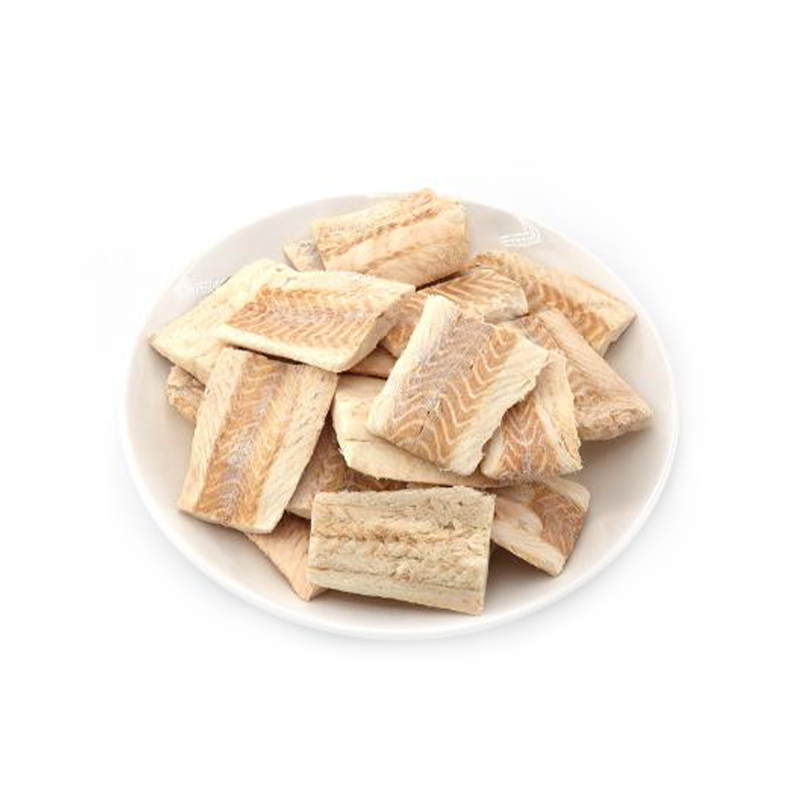
Seafood offers unique nutritional benefits, particularly regarding fatty acids. Feeding freeze-dried cod cat treats and wild salmon treats provides high levels of Omega-3 fatty acids, specifically EPA and DHA. These compounds are essential for maintaining a healthy coat, reducing systemic inflammation, and supporting joint health in senior cats. Cod is particularly useful as it is a very lean, low-calorie protein compared to salmon, making it ideal for overweight cats needing joint support.
Novel proteins serve cats with common food intolerances. Many cats develop sensitivities to heavily farmed proteins like chicken or beef after years of exposure. In these cases, you must pivot to proteins the cat has never encountered. The market now offers freeze-dried quail egg yolk, wild goat, rabbit, and duck. These novel options allow highly sensitive cats to enjoy treats without experiencing gastrointestinal distress or dermatological flare-ups.
Quality begins at the source. You must evaluate the exact terminology used on the packaging. Look for named animal proteins. "Chicken breast" or "beef liver" indicates a specific, identifiable cut of meat. Avoid anything labeled with generic terms like "meat meal," "poultry by-product," or "animal fat." If the manufacturer refuses to name the animal, you cannot trust the quality of the ingredient.
Geographical sourcing matters immensely. Different countries enforce vastly different agricultural and processing standards. Premium brands often source from human-grade facilities. Look for cage-free poultry, wild-caught rather than farmed fish, and premium imports like New Zealand grass-fed lamb or beef. New Zealand maintains some of the strictest biosecurity and animal welfare standards globally, resulting in exceptionally clean protein sources free from routine antibiotics and hormones.
Freeze-dried treats come in several physical formats, and the format dictates how you use the product. Whole pieces, such as intact minnows or chicken hearts, offer excellent mental stimulation. Shredded muscle meat pulls apart easily, making it ideal for sprinkling over wet food. Formed morsels blend meat and organs into uniform cubes, while aerated puffs provide a softer, lighter crunch.
Texture directly impacts palatability and usability. Senior cats with dental issues or missing teeth struggle with dense, fibrous chunks of freeze-dried muscle meat. For these cats, softer puffs or easily crumbled morsels work best. Conversely, younger cats benefit from the dental abrasion provided by tearing into whole, fibrous pieces of freeze-dried meat, which can help scrape soft plaque from the gumline.
Because these treats are essentially raw meat, pathogen control is non-negotiable. Sublimation removes moisture, which halts bacterial growth, but it does not kill all existing bacteria. Manufacturers must employ rigorous safety protocols to eliminate risks associated with Salmonella, E. coli, and Listeria.
Many top-tier facilities use High-Pressure Processing (HPP). HPP applies immense water pressure (up to 87,000 psi) to the raw ingredients before freeze-drying. This pressure crushes the cell walls of harmful pathogens without using heat, preserving the raw nutritional profile while ensuring safety. Look for brands that practice rigorous batch-testing. The best manufacturers hold their products in quarantine until independent lab tests confirm they are pathogen-free. Transparency is key; some brands publish their Certificates of Analysis online for consumer review.
Evaluating the price of freeze-dried products requires a shift in perspective. Raw meat consists of roughly 70% to 75% moisture. When the freeze-drying process removes that water, the product becomes significantly lighter. A 3-ounce bag of freeze-dried chicken breast actually represents about 10 to 12 ounces of raw meat.
You must calculate the true cost per ounce based on the concentrated protein volume, not just the physical weight of the bag. For multi-cat households, small boutique bags scale poorly and become cost-prohibitive. Look for brands that offer bulk buying options or larger "dog-sized" bags of single-ingredient treats (like pure beef liver), which are identical to the cat versions but often priced better per ounce.
Comparison of Cat Treat Processing Methods | |||
Processing Method | Moisture Content | Nutrient Retention | Texture & Palatability |
|---|---|---|---|
High-Heat Extrusion (Kibble/Standard Treats) | 10% - 12% | Low (Heat destroys natural taurine and enzymes) | Hard, dense; relies on artificial flavor coatings |
Traditional Dehydration | 5% - 10% | Moderate (Low heat still degrades some amino acids) | Chewy, tough, shrunken cellular structure |
Freeze-Drying (Sublimation) | 1% - 3% | Maximum (Preserves up to 98% of raw nutrients) | Soft, porous, easily crumbled; high natural aroma |
PureBites dominates the single-ingredient space through sheer simplicity and accessibility. Their philosophy relies on baseline purity. A bag of PureBites Limited Ingredient Freeze-Dried Chicken Breast contains only USA-sourced chicken breast. There are no preservatives, no mixed proteins, and no hidden carbohydrates.
This brand serves as the ideal starting point for introducing raw-alternative treats. Because the ingredient list is singular, you can easily monitor your cat's digestive response. Freeze-Dried Treats for Cats in this category are best applied to cats with sensitive stomachs, known food allergies, or those requiring strict dietary limitations. The treats break apart easily, making them highly versatile for both training and meal topping.
Stella & Chewy's and Vital Essentials represent the premium blended category. They focus heavily on "whole prey" ratios. Stella & Chewy's Morsels, for example, feature 98% cage-free meat, organs, and bone. They incorporate ingredients like raw ground bone for calcium and a blend of liver and gizzards for natural vitamin density.
Vital Essentials takes a similar approach, often utilizing whole animal parts like freeze-dried minnows or rabbit bites. These brands fortify their blends to meet complete nutritional standards, though they are often used as treats or toppers. Their best application is for owners seeking raw-diet integration without the hassle of full raw meal preparation. You can crumble these nutrient-dense morsels over standard kibble to drastically improve the meal's overall biological value.
The ultra-premium tier includes brands like Smalls, Feline Natural, and Purpose. These companies focus on proprietary blends, novel proteins, and direct-to-consumer freshness. Smalls offers a Puffy Bird recipe made with 95% chicken, liver, and bone, utilizing an aerated texture that cats find highly palatable.
Feline Natural imports their ingredients from New Zealand, offering unique blends like Beef and Hoki Feast. This combines grass-fed beef with sustainably caught fish, delivering a massive boost of Omega-3s alongside rich red meat. Purpose excels in novel proteins, offering options like Freeze-Dried Carnivore Duck. These brands are best suited for owners prioritizing convenience, ultra-premium global sourcing, and specific protein-to-organ ratios to optimize their cat's health.
Cats possess a naturally low thirst drive. In the wild, they consume prey that is 70% to 80% moisture, fulfilling their hydration needs through their diet. Freeze-dried foods contain almost zero moisture. Feeding large quantities of dry treats without adjusting overall water intake can contribute to chronic dehydration, which stresses feline kidneys over time.
You must evaluate when to feed treats dry and when to rehydrate them. For quick training sessions or occasional rewards, feeding dry pieces is perfectly fine. The crunch provides satisfaction and convenience. However, if you use these products heavily as meal toppers or secondary meals, you should rehydrate them. Soak the morsels in warm water or unseasoned bone broth for a few minutes before serving. This restores the natural moisture content of the meat, supporting optimal renal function and urinary tract health.
Introducing raw-form proteins to a cat accustomed to highly processed kibble requires patience. The feline gastrointestinal tract and gut microbiome adapt to the food they process daily. A sudden influx of rich, raw-equivalent protein can cause temporary digestive upset, resulting in loose stools or vomiting.
Implement a phased introduction protocol to ensure a smooth transition:
Day 1-2: Offer a single, pea-sized piece of a single-ingredient treat (like chicken breast) once per day.
Day 3-4: Increase to two small pieces daily, monitoring the litter box for any signs of loose stool.
Day 5-6: Introduce the treat as a crumbled topper over their regular wet food to encourage mixing with familiar proteins.
Day 7+: Establish a regular feeding routine, ensuring treats never exceed 10% of the cat's total daily caloric intake.
Exceeding this caloric limit unbalances their primary diet and risks weight gain, regardless of how healthy the treat is.
Because these products lack synthetic preservatives and have zero moisture, they are highly susceptible to environmental degradation. The primary enemies of freeze-dried cat treats are moisture exposure and lipid oxidation. If you leave a bag open in a humid environment, the dry meat acts like a sponge, absorbing moisture from the air. This ruins the texture and creates a breeding ground for bacteria.
Lipid oxidation occurs when the unsaturated fats in the meat react with oxygen, leading to rancidity. To prevent this, proper storage is non-negotiable. Always squeeze excess air out of the bag before sealing it. Better yet, transfer the treats to an airtight glass or BPA-free plastic container. Utilize food-safe silica gel packets to absorb any ambient moisture. Always adhere strictly to the manufacturer's "best by" dates post-opening, which is typically 30 days for optimal freshness and safety.
Freeze-dried cat treats represent the optimal intersection of raw nutritional value and shelf-stable convenience. They allow you to provide biologically appropriate, high-value rewards without the mess and prep time of raw meat. However, this holds true only if you prioritize transparent sourcing, grain-free profiles, and strictly defined formulations. By understanding the manufacturing process and evaluating ingredient purity, you can confidently navigate the market.
Your shortlisting logic should follow a clear path. Start with pure meat options to establish a baseline of tolerance. Once you confirm your cat digests single proteins well, you can graduate to mixed blends or organ meats for added nutritional complexity. This methodical approach protects your cat's digestive system while expanding their palate.
Take the following steps to upgrade your cat's reward system:
Audit your cat's current treat inventory and discard products relying on meat meals, heavy starches, or artificial preservatives.
Select one single-ingredient freeze-dried option, such as chicken breast or cod, to test initial palatability and digestive response.
Monitor your cat's digestion, stool quality, and daily water intake closely over a 7-day introduction period.
Invest in airtight storage containers to protect your new treats from humidity and lipid oxidation.
A: Yes, they are highly safe when sourced from reputable brands. Top manufacturers use High-Pressure Processing (HPP) and rigorous batch-testing to eliminate pathogens like Salmonella and E. coli. Always ensure the brand has transparent safety protocols and clear sourcing standards before purchasing.
A: Treats should never exceed 10% of your cat's total daily caloric intake. Because freeze-dried meat is nutritionally dense and lightweight, you must check the calorie count per piece on the packaging. Calculate your cat's daily caloric needs and portion the treats accordingly to prevent weight gain.
A: It depends on the usage. If you are giving one or two pieces as a quick training reward, feeding them dry is fine. However, if you are using a large volume as a meal topper, rehydrating them with warm water or bone broth is recommended to support your cat's overall hydration.
A: Dehydration uses low heat over a long period to evaporate moisture, which can degrade some heat-sensitive nutrients and alter the meat's texture. Freeze-drying uses a cold vacuum process (sublimation) to remove moisture, preserving up to 98% of the raw nutrients and maintaining a softer, raw-like cellular structure.
A: Yes, kittens can eat them, provided the protein is introduced slowly to their developing digestive systems. Always break larger morsels or whole pieces into tiny, manageable bites to prevent choking hazards, and ensure the treats do not disrupt their primary kitten-formulated diet.
A: Once opened and exposed to air and humidity, most freeze-dried treats maintain optimal freshness for about 30 days. To maximize shelf life, store them in a cool, dry place inside an airtight container, and consider using food-safe silica gel packets to control moisture.
A: Fish treats can contain varying levels of phosphorus and magnesium, which may affect cats with a history of urinary crystals or kidney disease. While cod is a healthy, lean protein, you must consult your veterinarian before introducing any new treats to a cat with specific urinary conditions.


