Welcome to Grand China Lucas! | may.zhang@gclpet.com
- All
- Product Name
- Product Keyword
- Product Model
- Product Summary
- Product Description
- Multi Field Search

Views: 0 Author: Site Editor Publish Time: 2026-10-05 Origin: Site


Many dog owners are moving away from heavily processed commercial diets toward minimally processed, nutrient-dense alternatives. Navigating the saturated alternative pet food market is difficult. Marketing terminology frequently obscures actual processing methods, ingredient quality, and nutritional completeness. You need a reliable way to cut through the noise and evaluate what goes into your dog's bowl. This guide provides a systematic evaluation framework to help you assess dehydrated formulas based on nutritional integrity, practical logistics, and specific canine health requirements. We will break down how to read labels effectively, understand the true yield of dehydrated meals, and implement safe transition protocols to protect your dog's digestion. By the end, you will know exactly how to select a premium dehydrated dog food that fits your dog's unique needs.
Processing Matters: Dehydration utilizes low heat to remove moisture, preserving more heat-sensitive nutrients than traditional extrusion methods while maintaining shelf stability.
Label Verification is Critical: Distinguishing between "complete and balanced" meals, base mixes, and supplemental treats is non-negotiable for preventing nutritional deficiencies.
True Cost Analysis: Evaluating price requires calculating the cost-per-calorie or cost-per-day rather than the upfront cost per pound, as dehydrated foods expand significantly when rehydrated.
Transition Protocols: Safe implementation requires a strict 10-to-14-day phase-in period to mitigate gastrointestinal distress and adjust to new hydration requirements.
Standard commercial diets rely heavily on a manufacturing process called extrusion. This method pushes raw dough through a machine that cooks the ingredients at extreme heat, often reaching 400°F, under massive pressure. The dough is then forced through a die plate to create uniform, hard shapes. While extrusion is highly efficient for mass production and creates a shelf-stable product, the violent heat and pressure destroy fragile amino acids and natural enzymes. It also degrades essential vitamins, forcing manufacturers to spray synthetic vitamin packs back onto the food after it cools.
Dehydration uses a completely different mechanical approach. Large convection chambers circulate warm air, usually between 115°F and 140°F, over raw ingredients for several hours. This slow moisture evaporation keeps the cellular structure of the meat and vegetables intact. You retain the natural vitamin profile without relying heavily on synthetic additives. Dogs transitioning from standard dry dog food often show improved coat condition and higher energy levels simply because their bodies absorb these intact, undamaged nutrients more efficiently.
Moisture removal techniques define the final texture and preparation requirements of the food. Freeze-drying uses a process called sublimation. The manufacturer freezes the raw ingredients, places them in a vacuum chamber, and lowers the pressure. The ice turns directly into vapor, bypassing the liquid phase entirely. This leaves a highly porous, airy product that absorbs water almost instantly. Dehydration relies on warm air to evaporate liquid water slowly, resulting in a denser, harder flake or powder that requires a longer soaking period to soften.
Fresh, refrigerated diets offer excellent nutrition but fail in practical logistics. If you travel, camp, or hunt with your dogs, hauling coolers full of fresh meat is a logistical nightmare. Dehydrated food gives you the nutritional equivalent of a fresh diet but stores safely in a dry bag at room temperature. You get the health benefits of raw or gently cooked food without the heavy refrigeration equipment or the risk of bacterial spoilage during transport.
Canned food provides excellent hydration, but it contains up to 80% water weight. When you buy canned food, you pay premium shipping rates to transport water across the country. Dehydrated food removes the water at the manufacturing facility. You add the moisture back at your kitchen counter using your own tap water. This fundamental difference impacts both your wallet and the environment.
This creates massive efficiency. A standard 10-pound box of dehydrated mix often yields 40 pounds of actual food once you rehydrate it. You eliminate the environmental waste of heavy steel cans and BPA linings. More importantly, the manufacturer can allocate their production budget toward higher-quality muscle meats rather than expensive shipping logistics. You get high-end nutrition without the premium markup associated with hauling heavy canned diets.
Diet Type | Processing Method | Moisture Content | Storage Requirement | Prep Time |
|---|---|---|---|---|
Extruded Kibble | High heat & pressure | 10% or less | Room temperature | None |
Dehydrated | Low-heat warm air | 5-10% | Room temperature | 3-15 minutes (soaking) |
Freeze-Dried | Sublimation (cold) | 1-5% | Room temperature | Instant to 3 minutes |
Fresh/Cooked | Lightly cooked | 65-75% | Refrigerated/Frozen | Thawing required |
Never buy a dog food without verifying the AAFCO statement. This text usually sits on the back panel near the barcode or ingredient list. It confirms the recipe meets baseline nutritional requirements established by veterinary nutritionists. Do not rely on flashy marketing claims on the front of the box. If the box says "for supplemental feeding only," it is not a complete meal and will cause severe nutritional deficiencies if fed as the primary diet.
Look closely at the specific life stage designation. "All Life Stages" means the food contains the higher calcium, phosphorus, and protein levels required for growing puppies and pregnant females. "Adult Maintenance" is strictly for fully grown dogs. Feeding an adult maintenance diet to a large-breed puppy can cause severe orthopedic issues due to improper mineral ratios. Always match the AAFCO statement to your dog's current developmental stage.
Read the ingredient panel from left to right. Ingredients are listed by weight before processing. You want named, whole-muscle meats in the first slot. Look for specific terms like "beef," "chicken," or "turkey." Specific organ meats like "beef liver" or "chicken heart" provide massive doses of natural iron, vitamin A, and taurine. Avoid generic terms like "meat meal" or "poultry by-product," which mask the true source of the protein.
Evaluate the brand's sourcing claims carefully. Human-grade claims carry actual legal weight. The FDA requires human-grade pet food to be manufactured in human food facilities using ingredients fit for human consumption. Feed-grade facilities legally allow 4D meats—animals that arrive dead, dying, diseased, or disabled. If your budget allows, seek out certified organic options. These ensure the absence of synthetic pesticides and routine antibiotics in the agricultural supply chain.
Carbohydrates are not inherently bad. They provide structural integrity to the dehydrated mix and offer quick energy for active dogs. However, the source matters immensely. Premium brands use whole-food carbohydrates like sweet potatoes, rolled oats, or quinoa. These ingredients digest slowly, providing sustained energy and preventing rapid blood sugar spikes.
Avoid formulas loaded with cheap agricultural waste like corn gluten meal, wheat middlings, or soy hulls. Check the label for long lists of synthetic vitamins. If you see twenty unpronounceable chemical names at the bottom of the list, the manufacturer likely used low-quality base ingredients and tried to fix the nutritional deficit with a synthetic vitamin pack. Premium brands achieve nutritional balance primarily through whole foods, using nutrient-dense ingredients like kelp, spinach, and blueberries.
Complete dietary formulas are all-in-one solutions. The manufacturer balances the muscle meat, organ meat, bone content, vegetables, and micronutrients at the facility. You simply scoop the powder, add warm water, wait a few minutes, and put the bowl on the floor. These products take the guesswork out of daily feeding and ensure your dog gets a perfectly balanced meal every time.
This category fits owners who want the health benefits of raw or home-cooked meals without the intense meal prep and nutritional math. You get guaranteed nutritional balance with zero guesswork. It provides the biological benefits of fresh food with the storage convenience of dry kibble.
Base mixes contain dehydrated vegetables, fruits, seeds, and essential minerals, but they completely lack a primary protein source. You must provide the meat. You rehydrate the base mix and then stir in your own raw or lightly cooked ground beef, turkey, or fish.
This hybrid approach works exceptionally well for multi-dog households or working kennels. Buying complete dehydrated meals for four large dogs gets expensive fast. A base mix allows you to buy bulk ground meat from a local butcher or use seasonal game meat. You control the exact fat-to-protein ratio. If one dog needs a low-fat diet, you use lean turkey. If another dog works hard in the cold, you use high-fat beef.
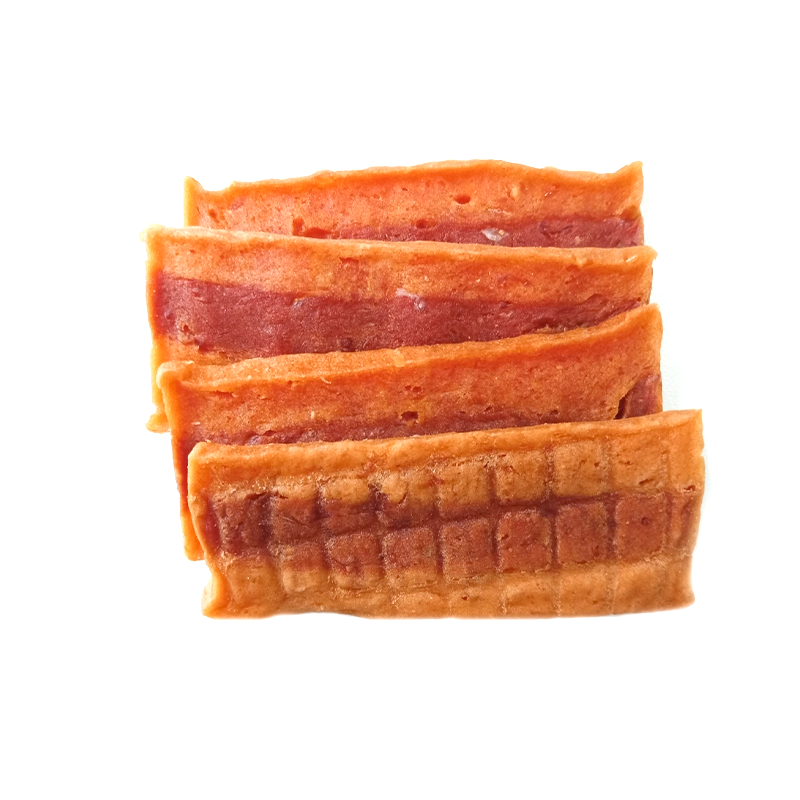
You do not have to switch entirely to a dehydrated diet to see benefits. Adding air-dried pet treats and snacks to a standard kibble diet boosts the overall protein intake and provides mental enrichment. Just remember to calculate these additions into the daily caloric limit. Treats should never exceed 10% of your dog's total daily intake to prevent obesity.
Single-ingredient options offer incredible utility. Using pure meat air-dried dog treats during obedience training keeps the dog highly motivated without upsetting their stomach. These treats break apart easily in your pocket and do not leave a greasy residue on your hands. They also work perfectly as a high-value topper for picky eaters who refuse to eat plain kibble.
Traditional proteins like beef, chicken, and fish work perfectly for most dogs. However, if your dog constantly chews their paws, suffers from chronic ear infections, or has persistent loose stools, they might have a protein allergy. Choosing the right protein base requires reviewing your dog's digestive history and identifying potential triggers.
Switching to a novel protein often resolves these issues. Novel proteins are simply meats your dog has never consumed. Venison, rabbit, and duck are excellent starting points. Brands that source high-quality novel proteins usually maintain better overall manufacturing standards. For example, feeding chicken and duck air-dried dog tenders provides a highly digestible, premium muscle meat option for dogs with sensitive digestive tracts.
Dehydrated diets allow precise dietary management for dogs with medical issues. Dogs diagnosed with pancreatitis require strict low-fat diets to prevent painful flare-ups. You can easily find dehydrated formulas with guaranteed fat contents below 8%. Weight management also becomes easier because you control the exact volume of food and water administered daily, creating a filling meal with fewer calories.
Senior dogs thrive on this texture. As dogs age, they often lose teeth or develop periodontal disease. Crunching hard kibble becomes painful. A warm, rehydrated porridge is easy to lap up and digest. For dogs with chronic gastrointestinal issues, limited-ingredient dehydrated diets remove the complex variables that trigger inflammation. Fewer ingredients mean fewer opportunities for digestive upset.
Read the label and look for red flags. Artificial colors like Red 40 or Yellow 5 serve absolutely no nutritional purpose. Dogs do not care what color their food is. Manufacturers add these dyes solely to make the food look appealing to human buyers. Excessive use of tapioca or pea protein isolates artificially inflates the protein percentage on the guaranteed analysis without providing the complete amino acid profile found in real meat.
Chemical preservatives like BHA, BHT, and ethoxyquin extend shelf life but have no place in a premium diet. Dehydration naturally inhibits bacterial growth by removing the moisture bacteria need to survive. Quality brands use natural preservatives like mixed tocopherols (forms of Vitamin E) or rosemary extract to keep the fats from oxidizing. These natural options keep the food safe without introducing harsh chemicals into your dog's system.
Do not look at the price tag on a 10-pound box of dehydrated food and compare it directly to a 40-pound bag of kibble. That is a false equivalence. You must calculate the cost per day. Dehydrated food has the water removed, making it incredibly dense and lightweight.
Dehydrated food expands significantly. A 10-pound box usually yields around 40 pounds of actual, edible food once you add water. To find your true cost, divide the total price of the box by the number of days it takes your dog to finish it. Once you factor in the expansion rate, you will often find the daily feeding cost aligns closely with premium commercial kibble.
Moisture is the enemy of dehydrated food. Keep open boxes in a cool, dry pantry. Never store them in a damp basement, a humid garage, or right next to the washing machine. Transferring the powder into an airtight, gamma-seal bucket prevents pantry moths and humidity from ruining the batch. Proper storage protects your financial investment and keeps the food fresh for months.
Daily feeding requires a new routine. You cannot simply scoop and serve. You measure the dry powder into the bowl. You add the exact ratio of warm water recommended by the manufacturer. Then, you stir and wait. The rehydration process takes anywhere from 3 to 15 minutes depending on the brand. Do not skip the waiting period. If you feed the food dry, it will expand inside the dog's stomach, pulling moisture from their body and causing severe cramping or potential blockages.
Never switch a dog's diet overnight. A sudden change destroys the established gut microbiome and guarantees severe gastrointestinal distress. You must follow a strict 10-to-14-day transition protocol. This gradual shift allows the digestive system to adapt to the higher nutrient density of the new food.
Days 1 to 3: Mix 25% new dehydrated food with 75% old diet.
Days 4 to 6: Mix 50% new dehydrated food with 50% old diet.
Days 7 to 10: Mix 75% new dehydrated food with 25% old diet.
Days 11 to 14: Serve 100% new dehydrated food. Monitor stool quality closely.
Your dog will likely stop drinking as much water from their bowl. This alarms many owners, but it is completely normal. Dehydrated meals contain massive amounts of water once prepped. Your dog is simply getting their daily hydration directly from their food. Monitor their overall hydration by checking their gum moisture and skin elasticity.
Monitor their stool daily. You might see a slight mucus coating around day four. This is the gut shedding old bacteria as the microbiome adapts to the new nutrient profile. Loose stools are common in the first few days. If the stool becomes completely liquid, halt the transition. Go back to the previous ratio for three more days before moving forward again. If constipation occurs, ensure you are adding enough water to the dehydrated mix.
Some dogs look at a bowl of wet porridge and refuse to eat. They are conditioned to the hard crunch of extruded kibble. You can fix this aversion easily. First, adjust the water ratio. Use slightly less water to create a thicker, meatball-like consistency that is easier for them to pick up.
Second, enhance the smell. Use warm, pet-safe bone broth instead of plain tap water. The rich aroma triggers their prey drive and stimulates the appetite. Finally, sprinkle a tiny handful of their old kibble on top of the wet mix. The familiar crunch helps bridge the gap while they get used to the new texture.
Choosing the right dehydrated dog food requires balancing nutritional goals with practical constraints. You want minimally processed, whole-food ingredients that support your dog's long-term health. However, you must also consider your budget and daily prep time. Dehydrated diets offer a powerful middle ground between raw feeding and traditional kibble, providing excellent nutrition with manageable logistics.
Buy a small trial-size box to test your dog's palatability and digestive tolerance before investing in a bulk order.
Calculate your exact daily yield requirements to establish an accurate monthly feeding budget.
Implement a strict 14-day transition schedule to protect your dog's gut microbiome from sudden dietary shocks.
Store all open dehydrated powder in an airtight, opaque container to prevent moisture contamination and fat oxidation.
A: Dehydrated food generally offers superior nutrient retention and ingredient quality. Low-heat processing preserves natural vitamins and amino acids better than high-heat extrusion. It also provides better hydration when mixed with water. However, kibble remains more convenient and is typically lower in cost.
A: Yes. Rehydration is absolutely necessary for proper digestion. Feeding it dry pulls moisture from your dog's body, leading to internal dehydration. It can also cause severe intestinal blockages as the food expands inside the stomach.
A: Unopened boxes typically last 12 to 18 months in a cool, dry place. Once opened, you should consume the product within 1 to 3 months. Storing the open powder in an airtight container away from humidity extends its freshness.
A: Yes. Many owners use dehydrated food as a topper or mixer. This strategy stretches budgets while improving the palatability and nutritional profile of standard kibble. Ensure you adjust the overall portion sizes to prevent unhealthy weight gain.
A: The primary difference is the final texture and moisture level. Air-dried food retains slightly more moisture, resulting in a jerky-like texture fed as-is. Dehydrated food is dried further into a powdery or flaky consistency that strictly requires water before feeding.
A: Yes, single-ingredient dehydrated treats are safe for puppies. They are excellent for high-value training. However, you must practice strict portion control. Supervise your puppy while chewing, and ensure treats do not exceed 10% of their daily caloric intake.


