Welcome to Grand China Lucas! | may.zhang@gclpet.com
English
- All
- Product Name
- Product Keyword
- Product Model
- Product Summary
- Product Description
- Multi Field Search

Views: 0 Author: Site Editor Publish Time: 2025-09-24 Origin: Site


Switching your pet from juvenile to adult diets is a critical step in ensuring long-term health. Many owners face challenges knowing when and how to make the change. Properly transitioning Pet Food supports growth, prevents digestive upset, and maintains nutrient balance. In this article, you will learn the best strategies for switching Pet Food, monitor your pet’s response, and ensure a smooth, stress-free transition.
Pet Food designed for growth stages provides the essential nutrients pets need during critical development periods. Puppies and kittens require higher protein and fat levels to support rapid growth, energy needs, and healthy organ development. These diets also contain vitamins and minerals that support bone formation, immune function, and cognitive development. Adult Pet Food, in contrast, emphasizes maintaining optimal weight, digestive health, and overall long-term wellness rather than accelerated growth. Choosing the right formulation ensures pets receive the appropriate balance of nutrients at each life stage. Selecting age-appropriate diets also prevents overfeeding or nutrient deficiencies, which could negatively impact energy, skeletal growth, and metabolic health. By understanding the distinct needs of each stage, owners can provide a foundation for lifelong wellness and vitality. Proper growth-stage nutrition lays the groundwork for strong teeth, healthy joints, and a resilient immune system.
Juvenile Pet Food is enriched with calcium, phosphorus, and omega fatty acids to promote healthy bone and brain development. Protein sources are highly digestible to support lean muscle growth, while fats provide concentrated energy for playful and active young pets. Adult Pet Food focuses on balanced protein, moderate fat, and fiber to support weight management and maintain digestive efficiency. Fiber aids in healthy stool formation and gut microbiome balance, which is crucial for long-term digestive health. The nutrient profile directly influences growth rate, energy levels, coat condition, and organ function. For example, insufficient calcium or phosphorus in puppy diets may lead to poor bone density, whereas excess protein in adult diets can strain kidneys. Carefully formulated growth-stage Pet Food ensures pets transition smoothly between stages without nutrient gaps or excesses, optimizing health outcomes and longevity.
Gradual Pet Food switching is essential when moving from puppy or kitten diets to adult formulas. Abrupt changes in nutrient density or texture can cause vomiting, diarrhea, or reduced appetite. By mixing increasing amounts of adult Pet Food with the juvenile diet over 7 to 10 days, the digestive system adapts to new protein and fat levels. Gradual transitions also help detect food sensitivities or allergies early, allowing owners to adjust the diet if any adverse reactions occur. Observing stool quality, energy levels, and overall behavior during this period ensures the transition is safe and effective. Additionally, gradual switching encourages consistent eating habits and prevents stress-related food aversion. Combining gradual transitions with wet and dry food options can improve palatability and acceptance, especially for picky pets. Properly managed growth-stage transitions support healthy weight, optimal nutrient absorption, and long-term organ function, ensuring pets thrive into adulthood.
提示:Gradual, monitored transitions from juvenile to adult Pet Food support digestive health, nutrient absorption, and prevent weight or metabolic issues.
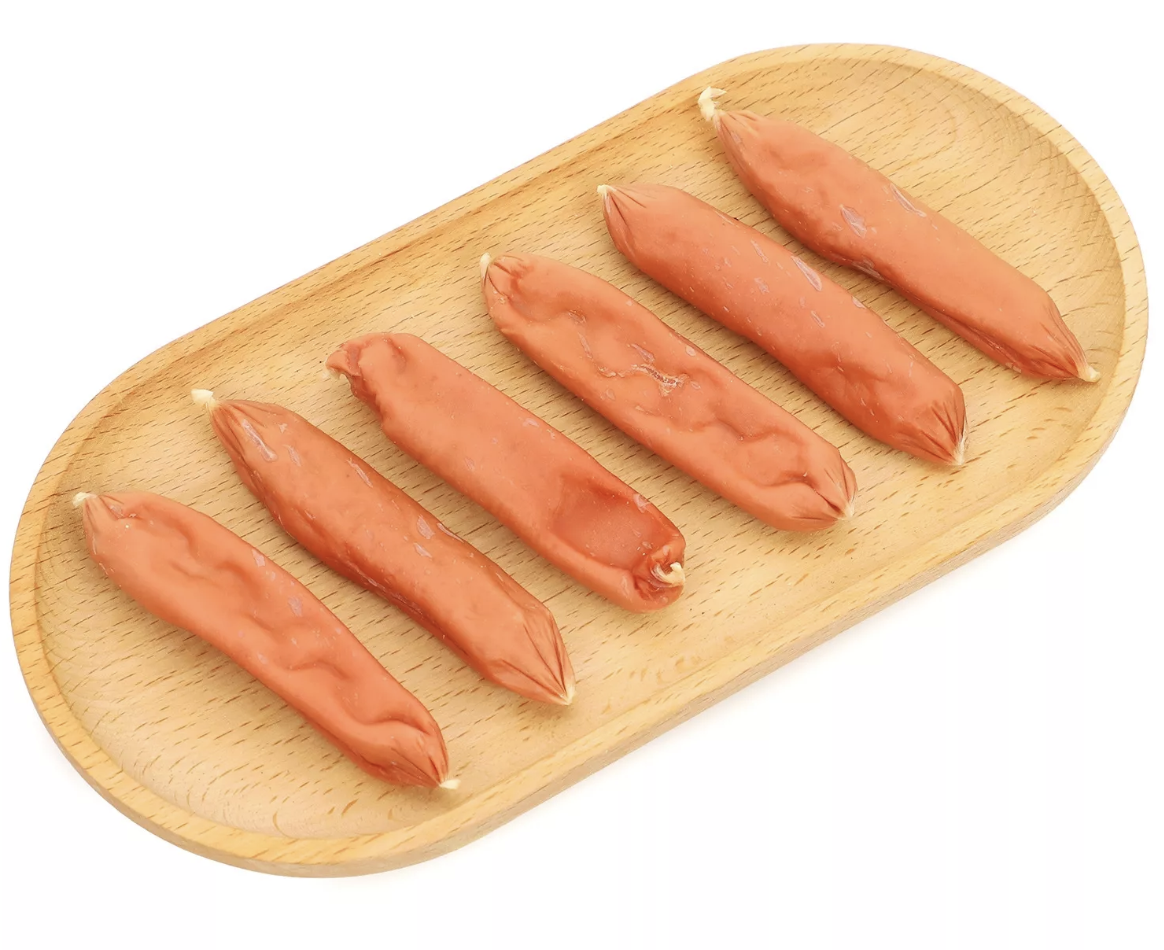
Selecting the right Pet Food is essential for health and longevity. High-quality formulas minimize the risk of obesity, nutrient deficiencies, and digestive issues. Transitioning puppy food safely or following a kitten to adult cat food guide ensures your pet receives balanced nutrition tailored to its growth stage.
Proper Pet Food prevents gastrointestinal upset during transitions. Diets with prebiotics, probiotics, and high-quality protein support digestion. Gradual changes reduce stress on the stomach and intestines, promoting consistent appetite and nutrient absorption.
Puppies and kittens require sufficient energy to sustain development. Using best Pet Food for growth stages ensures they receive calories to support activity without excess fat. Adult diets then maintain energy balance without promoting weight gain.
Choosing age-appropriate Pet Food lowers the risk of obesity, dental issues, and organ strain. Transitioning with proper guidance supports heart, kidney, and liver health while encouraging a longer, healthier life.
Adult Pet Food formulations include features that support long-term health and weight maintenance. These features are designed to replace growth-focused diets while meeting adult nutritional needs.
Adult Pet Food balances protein, fat, and carbohydrates to maintain lean body mass. Excess fat is reduced compared to juvenile diets, while protein remains sufficient to preserve muscle. Fiber content aids digestion and regulates bowel movements.
Adult formulas include antioxidants, vitamin E, and essential minerals to support immunity, joint health, and coat condition. These components ensure pets transition safely without losing key nutrients acquired during growth stages.
Some adult Pet Food includes breed-specific or life-stage targeted formulas. For example, small breed diets support higher metabolic rates, while large breed diets prevent excessive weight gain and joint stress. Choosing the right specialized diet prevents long-term complications.
Gradual Pet Food switching plays a critical role in ensuring smooth digestive adaptation. Puppies and kittens have sensitive gastrointestinal systems, and abrupt changes in diet can lead to diarrhea, vomiting, or reduced appetite. By slowly introducing adult formulas over one to two weeks, the digestive system has time to adjust to new protein sources, fat content, and fiber levels. Combining wet and dry textures during the transition can also enhance palatability and ease acceptance, particularly for picky eaters. Wet food adds moisture, which helps soften kibble, while dry food maintains mechanical benefits for teeth and gums. Careful observation of stool consistency, appetite, and energy levels allows owners to detect any signs of intolerance early. Gradual switching not only prevents digestive upset but also fosters positive eating habits that promote lifelong healthy feeding patterns.
Transitioning to adult Pet Food also provides an opportunity to maintain ideal body weight. Puppies and kittens have higher caloric needs during growth, but adult formulas are typically lower in calories and fat to prevent excessive weight gain. Adjusting portion sizes and monitoring feeding frequency during the transition is essential to match the pet’s activity level and metabolic rate. Small breeds may require smaller, more frequent meals, while large breeds benefit from controlled portions to protect joint and skeletal health. Keeping track of body condition scores and adjusting food intake ensures pets neither overeat nor lose weight too rapidly. Maintaining proper weight during this critical growth-to-adult phase reduces the risk of obesity-related health issues later in life, including diabetes, cardiovascular strain, and joint problems.
Properly transitioned Pet Food provides a foundation for long-term health and wellness. Adult formulas are balanced to support key organ function, including heart, kidney, and liver health. Nutrients such as omega-3 fatty acids, antioxidants, and vitamins promote a shiny coat, healthy skin, and robust immune function. Dental health is supported through kibble texture and chewable formulations, helping reduce plaque buildup over time. Pets fed balanced adult diets generally display higher energy levels, improved stamina, and more stable behavior. Moreover, a smooth transition helps prevent nutritional gaps or excesses that could compromise organ development or metabolic health. Consistent feeding practices during the growth-to-adult stage establish lifelong wellness habits and improve overall quality of life for pets.

Choosing the right Pet Food starts with understanding your pet’s age and developmental stage. Puppies and kittens require diets rich in protein, fat, and essential nutrients to support rapid growth, bone development, and brain function. Most small- and medium-breed puppies can transition to adult food around 12 months, while larger breeds may need extended growth diets lasting 12 to 18 months to ensure proper skeletal development. Kittens usually make the switch around one year, though some slow-growing breeds benefit from a slightly longer juvenile stage. Selecting the correct formula ensures your pet continues healthy growth without excess nutrients that may contribute to obesity or digestive stress. Consider the pet’s activity level and metabolism as well; highly active animals might need energy-dense adult diets, whereas more sedentary pets may require lower-calorie formulations. Gradually transitioning Pet Food based on age prevents sudden changes in nutrient intake, which can affect growth or lead to deficiencies.
Breed and size play a crucial role in selecting appropriate Pet Food. Small breeds often have fast metabolisms and smaller mouths, making appropriately sized kibble essential to prevent choking and facilitate proper chewing. Conversely, large breeds require larger kibble and joint-supporting nutrients like glucosamine and chondroitin to protect growing joints during the transition. Some adult formulas are specifically designed for toy, small, medium, or large breeds, balancing protein, fat, and mineral content to match breed-specific needs. Choosing Pet Food tailored to size ensures safe digestion, prevents overeating, and reduces the risk of dental issues or gastrointestinal upset. Additionally, kibble texture and hardness should match the pet’s chewing strength. For instance, very hard kibble may be too challenging for small breeds or senior pets, whereas larger breeds may need firm, durable options to maintain dental health. Paying attention to these details guarantees both safety and effective nutrient delivery.
Every pet has unique health requirements, and selecting Pet Food must consider allergies, sensitivities, weight management, and dental health. Grain-free or hypoallergenic options can reduce allergic reactions in pets sensitive to wheat, corn, or soy. Pets prone to weight gain may benefit from lower-calorie formulas or portion-controlled feeding plans, while high-activity pets require more energy-dense diets to maintain healthy weight. For dental concerns, soft, enzymatic chews or foods designed to reduce tartar accumulation can complement regular brushing routines. Pets with chronic health conditions, such as kidney disease, liver concerns, or digestive sensitivities, require special formulations that limit certain nutrients or include digestive aids. Tailoring Pet Food to your pet’s health needs ensures both nutritional adequacy and long-term wellness. Always read labels carefully and consider consulting a veterinarian to match dietary choices to specific conditions.
Once a suitable Pet Food is selected, the transition should be gradual. Introduce small amounts of the new adult formula while continuing the juvenile diet, increasing the proportion over 7 to 14 days. Observe your pet’s appetite, energy, and stool quality during this period. Signs of digestive upset, vomiting, diarrhea, or reduced appetite indicate that the transition is too rapid or that the chosen formula may not suit your pet’s needs. Keep a journal of feeding times, portions, and reactions to track changes effectively. Adjust portions according to caloric content, breed, and activity level to avoid overfeeding or underfeeding. Regular observation allows owners to fine-tune the diet for optimal growth, energy, and digestive health. The trial period also helps determine whether supplements, flavor enhancers, or mixed feeding strategies are needed to maintain consistency and acceptance.
提示:Always consult a veterinarian for pets with chronic health conditions before introducing new Pet Food. Gradual introduction, careful observation, and breed-specific formulas ensure safe and effective dietary transitions.
Switching diets over 7–14 days minimizes digestive upset. Start by mixing a small portion of adult Pet Food with juvenile food, increasing daily. Monitor stool, appetite, and energy to ensure adaptation.
Day | Juvenile Food % | Adult Food % | Notes |
1-2 | 75% | 25% | Introduce adult food gradually |
3-4 | 50% | 50% | Observe digestion and appetite |
5-7 | 25% | 75% | Continue monitoring stool and behavior |
8-10 | 0% | 100% | Fully transitioned to adult food |
Track changes in appetite, stool, and energy. Adjust the transition pace if your pet shows signs of digestive stress. Wet or mixed-texture food can encourage acceptance.
Adjust portions based on caloric density of adult Pet Food. Calculate daily calories to maintain ideal weight and energy. Avoid overfeeding or underfeeding, which can cause obesity or nutrient deficiency.
Switching Pet Food from juvenile to adult diets is essential for long-term health. Gradual Pet Food switching, monitoring digestion, and choosing age-appropriate formulas ensure smooth transitions. Using specialized adult diets supports growth, maintains energy, and reduces health risks.
Switching Pet Food gradually ensures healthy growth and smooth digestion. Qingdao Yalute Foods Co., Ltd. offers formulas that support all life stages. Their products provide balanced nutrition, high digestibility, and palatable options. Using these specialized diets helps maintain ideal weight, dental health, and overall wellness. Proper transition promotes energy, organ health, and long-term vitality for pets.
A: Gradual Pet Food switching over 7–10 days allows digestive adaptation and prevents stomach upset.
A: Begin around 12 months for most pets; large breeds may require extended growth formulas.
A: Consider breed, size, health needs, and nutrient content to select the best pet food for growth stages.
A: Yes, sudden changes may lead to diarrhea or vomiting, making gradual Pet Food switching essential.
A: Use smaller kibble and soft textures in kitten to adult cat food guide or small breed transitions.
A: It supports proper growth, healthy weight, dental health, and overall wellness during all stages.


