Welcome to Grand China Lucas! | may.zhang@gclpet.com
English
- All
- Product Name
- Product Keyword
- Product Model
- Product Summary
- Product Description
- Multi Field Search

Views: 0 Author: Site Editor Publish Time: 2026-03-30 Origin: Site


Pet parents want the best for their dogs, especially when it comes to food and treats. Safety is often the first concern, and for good reason. With so many premium products on the market, many owners are asking whether freeze-dried dog treats are truly safe for daily use, training, and long-term feeding. These treats are often promoted as high in protein, minimally processed, and made with simple ingredients, but buyers still want to know whether they are as safe as they sound.
The good news is that freeze-dried dog treats can absolutely be safe when they are produced with quality ingredients, handled under strict manufacturing standards, packaged correctly, and fed responsibly. However, not all products are equal. Safety does not depend only on the freeze-drying process itself. It also depends on ingredient sourcing, moisture control, hygiene management, storage conditions, and how pet parents use the treats at home.
That is why it is important to look at the full picture. A well-made freeze-dried treat from a professional manufacturer can be a convenient and reliable option for many dogs. On the other hand, a poorly made or poorly stored product may not deliver the same level of confidence. In this article, we will explain what freeze-dried dog treats are, how the process relates to safety, what risks pet parents should understand, and how to choose the right product for your dog.
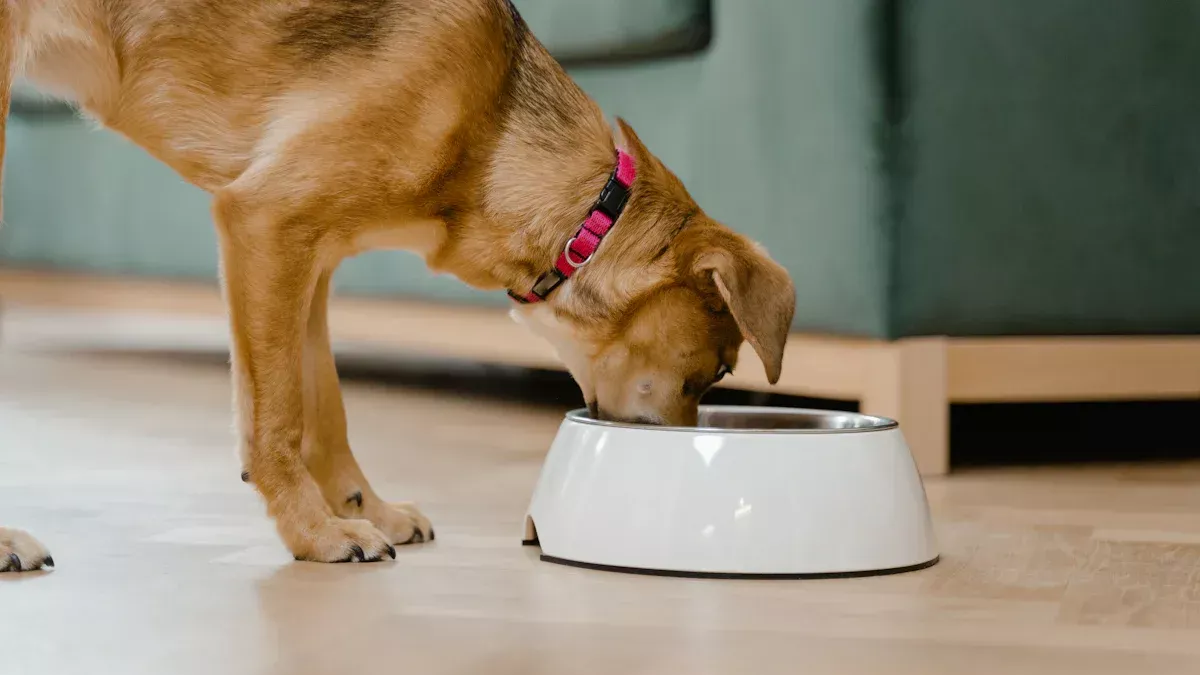
Treats may seem like a small part of a dog’s diet, but in many homes they are used every day. Dogs receive treats during training, as rewards, between meals, while traveling, and simply as part of bonding with their owners. Because of this, even a product fed in small amounts can play an important role in a dog’s overall health.
Pet parents who ask about the safety of freeze-dried dog treats are usually thinking about several concerns at once. They may wonder whether the ingredients are safe, whether the treats are too rich, whether they are suitable for puppies or senior dogs, and whether they carry any risk because they are often made from raw ingredients before processing. Others may worry about storage, bacteria, or whether these treats are harder to digest than baked snacks.
These are all valid concerns. Safety is not only about whether a treat looks premium or natural. It is about whether the product has been produced carefully and whether it fits the dog’s needs. Understanding this makes it much easier to choose treats with confidence.
Freeze drying is a preservation method that removes moisture from ingredients after they have been frozen. Instead of using high heat, the process relies on a vacuum environment where frozen water inside the product turns directly into vapor. This allows the food to become dry and shelf-stable while keeping much of its original shape, taste, and aroma.
Because the process is gentle compared with some traditional methods, freeze-dried dog treats are often considered a premium option. They are usually made with meat, fish, or organ ingredients and may have much shorter ingredient lists than conventional dog biscuits or heavily processed snacks.
Many dog owners like freeze-dried dog treats because they often offer:
High protein content
Strong natural aroma
Simple meat-based recipes
Minimal filler ingredients
Lightweight texture
Convenient storage
Good suitability for training or meal topping
These qualities have helped the category grow quickly, especially among consumers looking for more natural-feeling pet nutrition.
In general, yes, freeze-dried dog treats can be safe for dogs. When they are made by reliable manufacturers and fed in appropriate amounts, they are widely used as a premium treat option. Their low-moisture format makes them shelf-stable, easy to transport, and practical for everyday feeding.
Still, it is important to understand that safety does not come from the words “freeze-dried” alone. The process can support stability and convenience, but the final product is only as safe as the ingredients, controls, and packaging behind it.
The safety of freeze-dried dog treats is influenced by several factors:
Raw ingredient quality
Ingredient inspection
Sanitary production standards
Accurate moisture removal
Packaging quality
Storage conditions
Appropriate feeding amounts
The dog’s age, size, and health status
So the right answer is not simply “yes” or “no.” The better answer is that freeze-dried dog treats are safe when they are made and used properly.
One reason freeze-dried dog treats are popular is that the freeze-drying process helps create a stable product. Removing most of the moisture makes the treats much easier to store and helps reduce spoilage risk.
Microorganisms and spoilage issues are more likely to develop when moisture is available. Freeze drying removes most of that water, which makes the product far more stable than fresh meat or high-moisture snacks. This is why freeze-dried treats can usually be stored in sealed packaging without refrigeration.
For pet parents, this means they can enjoy the appeal of meat-based treats without the inconvenience of freezer storage or short shelf life.
Because freeze drying does not rely on intense heat, it helps preserve much of the original structure, aroma, and flavor of the ingredients. This is one reason dogs often find freeze-dried dog treats so appealing. While safety still depends on broader production controls, the low-temperature process helps maintain the product’s premium character.
The freeze-drying process itself is only one part of production. Reliable manufacturers use controlled systems to manage ingredient preparation, drying time, moisture targets, and product handling after drying.
Good production management supports:
Consistent quality
Stable texture
Reliable shelf life
Better packaging performance
Reduced risk of quality loss
This is why the professionalism of the manufacturer matters just as much as the process name.
Although freeze-dried dog treats can be safe, there are still risks pet parents should understand. The goal is not to avoid the category, but to choose better products and use them wisely.
No production method can fully compensate for weak raw materials. If the meat, fish, or organ ingredients are of poor quality before processing, the final treat may not offer the level of confidence buyers expect.
This is why reputable sourcing and ingredient standards matter. A premium-looking package is not enough on its own.
The quality of the factory environment matters a great deal. Even if the ingredients look good on paper, poor handling or inconsistent process control can affect the product.
Reliable manufacturers reduce risk through:
Clean production environments
Skilled staff
Quality inspections
Standardized procedures
Careful packaging systems
When evaluating freeze-dried dog treats, buyers should think about who made the product, not just what protein it contains.
Because freeze-dried products are very dry and porous, they can absorb moisture if the packaging is damaged or not resealed properly after opening. This can reduce freshness and affect product quality.
Pet parents should always check that the packaging is intact before purchase and store the product according to label instructions once opened.
Some freeze-dried dog treats come in chunks or irregular pieces. That can be fine for many dogs, but smaller breeds, puppies, senior dogs, or dogs that gulp food may need the treats broken into smaller pieces.
The treat may be safe, but it still needs to be fed in a size the dog can handle comfortably.
Even high-quality treats can become a problem if given in excess. Many freeze-dried dog treats are rich in protein and can be calorie-dense. Feeding too many may contribute to weight gain, digestive upset, or reduced interest in balanced meals.
Safe treat feeding always includes moderation.
Many pet parents compare freeze-dried dog treats with raw treats because both categories appeal to owners looking for meat-based nutrition. While the two are related in spirit, they are not the same in daily use.
Freeze-dried treats are usually easier to store, easier to carry, and less messy than raw treats. Their low-moisture format makes them more convenient for training, travel, and everyday rewards.
Compared with raw treats, freeze-dried dog treats often offer:
Better portability
Less mess
Easier storage
Simpler portioning
Greater convenience outside the home
For many households, this makes freeze-dried treats a more practical option.
Yes, many freeze-dried dog treats can be safe for puppies when fed carefully. Puppies often respond very well to these treats during training because they are highly palatable and easy to break into tiny rewards.
When giving freeze-dried dog treats to puppies, owners should pay attention to:
Small portion sizes
Easily breakable pieces
Simple ingredient lists
Gradual introduction
Because puppies have developing digestive systems, introducing any new treat slowly is always a smart approach.
Many senior dogs can also enjoy freeze-dried dog treats, but the texture and size of the pieces matter more. Older dogs may have dental sensitivity, reduced chewing strength, or specific health conditions that affect treat choice.
For senior dogs, it often helps to:
Break treats into smaller pieces
Choose lighter or thinner textures
Feed slowly
Watch chewing behavior carefully
The category itself can be safe, but the feeding method should match the dog’s condition.
Many freeze-dried dog treats are actually a good option for dogs with sensitive stomachs because they often contain fewer ingredients than traditional snacks. Single-ingredient formulas can be especially useful for owners trying to limit exposure to fillers, multiple proteins, or artificial additives.
A shorter ingredient list may make it easier to avoid:
Artificial colors
Synthetic flavorings
Unnecessary binders
Multiple protein sources
Grain-heavy fillers
However, each dog is different. A simple recipe is helpful only if the dog tolerates that protein well. New products should still be introduced gradually.
Choosing the right product is one of the most important parts of keeping freeze-dried dog treats safe. Not every product on the market is made to the same standard, so pet parents should know what to look for.
A clear ingredient list is a good sign. High-quality freeze-dried dog treats often name the protein directly, such as chicken, duck, beef, or salmon, instead of using vague terms.
Shorter ingredient lists are often easier to evaluate and may be better for dogs with sensitivities.
The manufacturer behind the product is extremely important. Professional factories, experienced teams, and strong quality management systems support better consistency and greater trust.
When possible, choose products from companies that emphasize:
Quality control
Manufacturing experience
Ingredient traceability
Modern production systems
Stable supply capability
The packaging should be intact, well sealed, and appropriate for a dry product. Since freeze-dried dog treats need protection from moisture, damaged packaging is a warning sign.
Avoid bags that appear punctured, loose, or poorly sealed.
Once opened, the treats should be resealed and kept in a cool, dry place. Following the package instructions helps maintain quality and stability.
Good storage habits help protect freeze-dried dog treats from moisture exposure and unnecessary quality loss.
Safe feeding is just as important as buying a good product. Even premium treats should be used thoughtfully.
Whenever trying a new product, start with a small amount and watch how your dog responds. This is especially important for dogs with digestive sensitivity.
A gradual start makes it easier to notice whether the dog handles the treat well.
Treats should be part of a balanced routine, not the main source of nutrition. Since freeze-dried dog treats are often rich and rewarding, smaller amounts are usually enough.
Portion control helps reduce the chance of:
Weight gain
Loose stools
Overfeeding
Reduced appetite for meals
If your dog swallows treats quickly, supervision is a good idea. Breaking larger pieces into smaller bits can make feeding safer and easier.
This is especially helpful for puppies, toy breeds, and senior dogs.
While freeze-dried dog treats are safe for many healthy dogs, some dogs need extra caution when trying any new treat.
Dogs that may need more careful evaluation include those with:
Severe food allergies
Pancreatitis history
Chronic digestive problems
Medically restricted diets
Dental weakness
Trouble chewing
In these cases, it is best to speak with a veterinarian before adding a new treat regularly.
The term “freeze-dried” sounds appealing, but safety is not guaranteed by the category name alone. The real difference comes from the standards behind the product.
A trustworthy freeze-dried treat should be supported by:
Strong raw material selection
Careful inspection procedures
Controlled processing
Hygienic handling
Effective moisture management
Protective packaging
Stable production capability
That is why buyers should not judge freeze-dried dog treats only by protein type or price. The manufacturing system is a major part of the product’s value and safety.
So, are freeze-dried dog treats safe? In most cases, yes, they can be a safe, convenient, and high-quality option for dogs when they are made with reliable ingredients, produced under proper standards, packaged carefully, and fed in moderation. Their low-moisture nature helps support shelf stability, their simple recipes often appeal to health-conscious pet parents, and their strong natural flavor makes them useful for both rewarding and training. Still, the true safety of freeze-dried dog treats depends on more than the product category itself. It depends on the quality systems, manufacturing expertise, and responsible feeding practices behind every bag.
As demand for premium pet nutrition continues to grow, experienced manufacturers play a vital role in ensuring that safety, quality, and consistency remain at the center of product development. As one of the most experienced and professional pet foods and treats manufacturers, Grand China Lucas, a subsidiary of Shengyang Hongfu Holdings Group and also known as Qingdao Yalute Foods Co., Ltd., has been committed to a quality-first philosophy since 2006. With 6 subsidiaries, 1200 professional operators, 6 human-consumption-standard processing factories, advanced fully automated production equipment, and strong annual output in freeze-dried, air-dried, wet food, and dry food categories, the company continues to provide dependable pet nutrition solutions for global partners seeking trustworthy manufacturing and long-term value.
Yes, freeze-dried dog treats can be safe for everyday feeding when they are given in moderation as part of a balanced diet. Portion control is important.
Many puppies can eat freeze-dried dog treats safely if the treats are broken into small pieces, introduced gradually, and chosen from simple, high-quality formulas.
They often can be, especially single-ingredient products. Many freeze-dried dog treats contain fewer fillers and additives than conventional snacks.
They should be resealed tightly and kept in a cool, dry place. Proper storage helps protect freeze-dried dog treats from moisture and quality loss.
Look for clear ingredient labeling, intact packaging, simple formulas, and a reliable manufacturer with strong production and quality control standards.


