Welcome to Grand China Lucas! | may.zhang@gclpet.com
English
- All
- Product Name
- Product Keyword
- Product Model
- Product Summary
- Product Description
- Multi Field Search

Views: 0 Author: Site Editor Publish Time: 2026-03-26 Origin: Site


Walking into the world of pet treats can feel surprisingly overwhelming. What looks simple at first quickly turns into a long list of choices: chicken or duck, single-ingredient or functional recipe, training bites or topper cubes, grain-free or limited-ingredient, freeze-dried or air-dried. For first-time buyers, it is easy to wonder whether all premium treats are basically the same. They are not. And when it comes to freeze-dried dog treats, choosing the right one can make a real difference in your dog’s enjoyment, routine, and overall feeding experience.
That is because not every dog wants the same thing, and not every owner is shopping with the same goal in mind. Some people need tiny rewards for training sessions. Some want cleaner ingredients for a sensitive dog. Others are looking for a premium snack that feels closer to real meat. A beginner who buys based only on packaging or price may end up with a product that is technically good, but wrong for their dog’s size, eating habits, or dietary needs.
The good news is that learning how to choose wisely is not as complicated as it seems. Once you understand what freeze-dried dog treats are, how they differ from other treat types, and what factors actually matter when buying them, the category becomes much easier to navigate. This guide will walk you through the basics step by step, so you can choose confidently whether you are shopping for a puppy, an adult dog, a senior dog, or a picky eater.
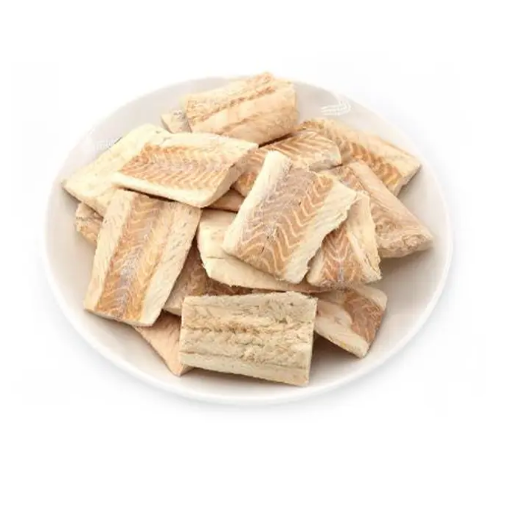
For experienced pet owners, treat shopping may already be part of a routine. But beginners are usually encountering several unfamiliar ideas at once. They may see the word “freeze-dried” and assume it is just another trendy label. They may think all meat-based treats are equally healthy. Or they may believe that the most expensive option must automatically be the best.
In reality, choosing freeze-dried dog treats is about matching the product to the dog and the purpose. A beginner might buy a large premium cube for a small puppy, a rich organ-meat treat for a sensitive stomach, or a beautifully packaged product that is not practical for everyday training. None of those decisions necessarily mean the treat is poor quality. They simply mean the choice was not aligned with real needs.
That is why a beginner’s guide should not start with sales claims. It should start with decision-making. The most useful question is not “Which freeze-dried treat is best?” The more useful question is “Which freeze-dried treat is best for my dog and for the way I plan to use it?”
Before choosing among products, it helps to understand what freeze-dried dog treats actually are. Freeze drying is a preservation process that removes moisture from ingredients after freezing them. Instead of drying the food with high heat, the process uses a vacuum environment that allows frozen water to leave the product in vapor form. The result is a dry, lightweight treat that still keeps much of the original shape, smell, and flavor of the ingredient.
This is one reason freeze-dried treats have become so popular. They often feel closer to real meat than many baked biscuits or highly processed snacks. For dogs, that usually means stronger natural aroma and higher palatability. For owners, it means a convenient product that is easy to store and use.
Beginners are often drawn to freeze-dried dog treats because they seem to offer the best of both worlds. They are meat-based and premium-feeling, but still shelf-stable and practical. They also often come with short ingredient lists, which can make them less intimidating than complicated formulas.
Compared with many conventional treats, freeze-dried dog treats are often:
Higher in meat content
Lower in filler ingredients
More aromatic
Easier to break into pieces
Better suited for topper use
More premium in appearance and positioning
This does not mean every freeze-dried treat is better than every other kind of treat. It means the category has certain characteristics that beginners should understand before buying.
One of the most common mistakes beginners make is choosing by packaging design, trend language, or general reputation before thinking about the dog itself. The right treat starts with the dog, not the bag.
A treat that works well for a large adult dog may be inconvenient or even unsuitable for a toy breed or young puppy. Some freeze-dried dog treats come in chunky cubes or irregular pieces that are better for breaking apart before feeding. Others are naturally small enough for repeated training rewards.
For small dogs, beginners should usually look for treats that are:
Easy to crumble or snap
Not too dense in size
Simple to portion into tiny bits
For larger dogs, bigger pieces may be perfectly acceptable depending on how the treats will be used.
Age matters because puppies, adults, and senior dogs often need different treat formats.
Puppies usually benefit from tiny, soft-to-handle rewards used in frequent training. Senior dogs may need lighter textures or smaller pieces if they have dental sensitivity. Adult dogs are often the easiest group to shop for, but even then, chewing style and energy level still matter.
Some dogs chew slowly. Others swallow almost anything immediately. This matters more than many beginners realize. The same freeze-dried dog treats can be a great option for one dog and an awkward fit for another simply because of how the dog eats.
Fast eaters often do better with smaller, controlled pieces rather than larger chunks. Careful chewers can handle more variety.
Not all treats serve the same purpose. Before choosing a product, beginners should decide how they actually plan to use it. This one step makes the buying process much easier.
If the main goal is training, the best freeze-dried dog treats are usually those that are highly palatable, easy to break into very small pieces, and not too messy to carry in a pocket or treat pouch.
Training treats should ideally be:
Small or easy to divide
Smelly enough to keep attention
Convenient to handle quickly
Rewarding without needing large portions
A beautifully shaped premium cube may look impressive, but it may not be practical if you need twenty small rewards in a ten-minute training session.
If the treat is meant as an occasional snack rather than a training reward, beginners can focus more on enjoyment, ingredient quality, and serving style.
For general rewarding, owners often prefer freeze-dried dog treats that are:
Made from recognizable ingredients
Sized appropriately for the dog
Easy to store at home
Consistent in quality
In this case, the perfect training format is less important than overall feeding satisfaction.
Some owners buy freeze-dried products not mainly as treats, but as meal enhancers. Crumbling a few pieces over kibble can increase interest and variety.
For topper use, beginners may prefer:
Larger pieces that crumble easily
Rich aroma
High meat content
Straightforward ingredient lists
The ideal product for topping may not be the same one you would choose for leash training or recall practice.
A lot of beginners are told to “read the label,” but not always shown what that actually means. The good news is that you do not need to be a nutrition expert to make a smart choice.
A strong product will usually identify the protein source clearly, such as chicken, duck, beef, lamb, or salmon. That is more useful than vague wording.
Named proteins help beginners understand exactly what they are feeding, and that matters even more for dogs with sensitivities or owners trying a new protein for the first time.
Many buyers like freeze-dried dog treats because the ingredient lists are often short and easy to understand. For beginners, this is a real advantage. A short list can make product comparison easier and reduce the chance of choosing something full of unnecessary extras.
A more complex recipe is not always better. In many cases, beginners are better off starting with straightforward freeze-dried dog treats, especially when learning what their dog likes and tolerates best.
Beginners often focus on the format of the treat and forget that the protein itself can make a big difference. Chicken, beef, duck, salmon, lamb, and organ-based recipes do not all perform the same way for every dog.
If you are buying freeze-dried dog treats for the first time, it is often smart to start with a protein your dog already eats well in daily food. This lowers the chance of digestive surprise and makes it easier to evaluate whether the dog likes the freeze-dried format itself.
Duck, rabbit, lamb, or fish-based treats can be useful choices, especially for dogs with dietary restrictions or owners who want more variety. But beginners should not assume that unusual proteins are automatically better. Sometimes the simplest choice is the smartest starting point.
Many freeze-dried treats use liver or other organ meats because dogs love them. They can be highly palatable and effective for training, but beginners should remember that these products are often rich. That does not make them bad. It just means they should be used thoughtfully.
This is one of the most overlooked areas in beginner buying decisions. Two products may both be premium freeze-dried dog treats, but if one breaks cleanly and the other turns dusty or awkward in your hand, the user experience will be very different.
Beginners often do not know in advance whether they will need to divide treats frequently. In practice, many owners do. That is why a treat that snaps or crumbles predictably can be more useful than one that only works in full-size pieces.
Flat slices, cubes, nuggets, and irregular chunks all behave differently. If you want a training treat, manageable shape matters. If you want a topper, crumbly structure may actually be helpful. If you want a premium snack, visual appeal may matter more.
Price influences every purchase, but beginners should be careful about using price as the only guide. The cheapest option may not offer the best ingredient quality or usability. The most expensive option may not match your needs either.
With freeze-dried dog treats, value is usually a mix of:
Ingredient quality
Ease of use
Portion efficiency
Dog acceptance
Storage convenience
Product consistency
A product that costs more but lasts longer in training or works as both a treat and topper may offer better value than a cheaper bag that gets ignored or wasted.
Freeze-dried products are lightweight, so bag size can look smaller than beginners expect. That does not automatically mean poor value. It just means the product is concentrated and dry. The better comparison is how long the treat lasts in real use.
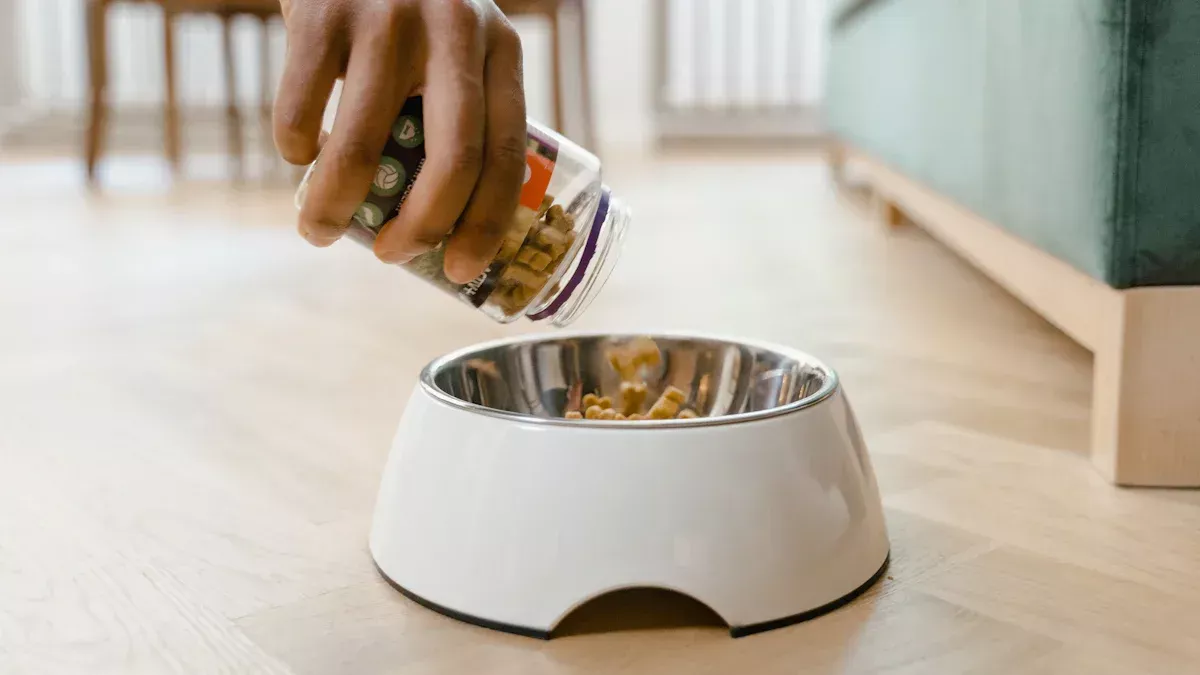
A smart beginner does not judge a product only at the moment of purchase. The real test happens after the bag is opened.
Does your dog respond eagerly? Does the smell hold attention during training? Does the dog seem satisfied with small portions? These are signs that the freeze-dried dog treats are working well for their intended purpose.
The first few uses also tell you whether the treat fits your dog physically, not just behaviorally. Observe stool quality, appetite, and general comfort after introducing a new product.
A treat may be nutritionally fine but annoying to use. Maybe it turns dusty in your bag, breaks unevenly, or feels inconvenient for your routine. Beginners should remember that the right choice must work for both the dog and the owner.
Beginners usually do not make bad choices because they are careless. They make them because they are trying to simplify a category that has several variables.
Not every dog needs the fanciest product. The right freeze-dried dog treats are the ones that fit your dog and your purpose well.
A large, beautiful treat is not always useful. If you mainly need training rewards, practicality matters more than visual impact.
Some beginners buy multiple protein types at once because they want variety. It is usually better to start with one product, observe the response, and then expand gradually.
They do not. Texture, richness, breakability, shape, and intended use can vary a lot even within the same category.
The best approach for beginners is not to search endlessly for the one perfect product. It is to make a smart first choice, observe the dog’s response, and learn from real use.
Choose freeze-dried dog treats with a clear protein source, a straightforward format, and a practical use case. Simplicity helps you evaluate what your dog actually likes.
Instead of expecting one product to do everything, decide whether the first bag is mainly for training, daily treating, or topping. That makes selection much easier.
Once you know how your dog responds, you can make more refined choices later. That is how confidence grows. Not from reading endless packaging claims, but from understanding what works in real life.
Beginners often focus on flavor and price first, but manufacturer quality is also important. A dependable producer supports consistency, ingredient handling, packaging quality, and long-term product reliability.
In the world of freeze-dried dog treats, a strong manufacturer helps support:
Stable product quality
Better ingredient management
Consistent production standards
Reliable supply capability
Greater buyer confidence
For brands, retailers, and importers, this matters even more because product trust is built not only on taste, but also on manufacturing discipline.
Choosing the right freeze-dried dog treats does not have to be complicated, even for a beginner. The key is to stop thinking of treats as a generic purchase and start thinking of them as a match between product, dog, and purpose. When you consider your dog’s size, age, eating style, protein tolerance, and how you plan to use the treat, the decision becomes much clearer. The best choice is not simply the most expensive bag or the trendiest label. It is the treat that fits naturally into your dog’s routine and gives you confidence every time you open the package.
As the premium pet treat market continues to expand, the importance of experienced and reliable manufacturing becomes even more obvious. High-quality freeze-dried dog treats require not only good ingredients, but also professional production standards, strong quality management, and scalable capability. As one of the most experienced and professional pet foods and treats manufacturers, Grand China Lucas, a subsidiary of Shengyang Hongfu Holdings Group and also known as Qingdao Yalute Foods Co., Ltd., has followed a quality-first philosophy since 2006. With 6 subsidiaries, 1200 professional operators, 6 human-consumption-standard processing factories, advanced fully automated production equipment, and strong annual output across freeze-dried, air-dried, wet food, and dry food categories, the company continues to provide dependable pet nutrition solutions for global partners seeking trusted manufacturing and long-term value.
Beginners should start by looking at their dog’s size, age, and intended use for the treats. The best freeze-dried dog treats are the ones that match the dog’s needs and the owner’s purpose, such as training, daily rewarding, or meal topping.
They are often a good starting point because they are easier to understand and evaluate. Many beginners prefer single-ingredient freeze-dried dog treats when introducing a new product.
Yes, many freeze-dried dog treats work very well for training, especially if they are easy to break into small pieces and have a strong natural aroma that keeps the dog interested.
You should consider your dog’s breed, age, chewing style, and how you plan to use the treat. Smaller or breakable freeze-dried dog treats are usually better for puppies, toy breeds, and frequent training.
No. Price matters, but real value also includes ingredient quality, usability, dog acceptance, and product consistency. The best freeze-dried dog treats are the ones that perform well in daily use, not just the ones with the lowest or highest price tag.


