Welcome to Grand China Lucas! | may.zhang@gclpet.com
English
- All
- Product Name
- Product Keyword
- Product Model
- Product Summary
- Product Description
- Multi Field Search

Views: 0 Author: Site Editor Publish Time: 2026-04-03 Origin: Site


As pet owners become more selective about what they feed their dogs, premium treat categories continue to grow in popularity. Among them, freeze-dried dog treats stand out as one of the most talked-about options on the market. They are often marketed as cleaner, more nutritious, and more natural than traditional snacks. But they also tend to come with a noticeably higher price tag. That leads many dog owners, retailers, and pet product buyers to ask the same question: Are freeze-dried dog treats really worth the price?
The answer depends on what you value most. If you are only comparing products by cost per bag, freeze-dried treats may seem expensive. But if you look at ingredient quality, nutrient retention, digestibility, convenience, palatability, and overall feeding value, the picture changes. In many cases, freeze-dried dog treats offer benefits that justify the higher price, especially for pet owners who prioritize premium nutrition and clean-label products.
In this article, we will explore what makes freeze-dried treats more expensive, what benefits they offer in return, and whether they are truly worth the investment for your dog’s health and daily routine.
Before deciding whether freeze-dried dog treats are worth the price, it is important to understand what they are and how they are made.
Freeze drying is a low-temperature dehydration process that removes moisture from raw ingredients while preserving much of their original structure, aroma, flavor, and nutritional value. The ingredients are first frozen, and then the water content is extracted in a vacuum environment through sublimation. This process differs from baking or traditional dehydration because it avoids intense heat.
As a result, freeze-dried treats often maintain more of the qualities pet owners want in premium pet nutrition:
High meat content
Natural flavor and aroma
Minimal processing
Lightweight texture
Shelf-stable storage
Strong nutrient retention
Many freeze-dried dog treats are made from single animal proteins such as chicken, duck, beef, lamb, or fish. Others may contain nutrient-rich organ meats such as liver or heart, which are especially attractive to dogs and often valued for their natural vitamin and mineral content.
One of the main reasons people question the value of freeze-dried dog treats is the price. Compared with standard biscuits or mass-market snacks, they often cost significantly more per ounce. However, that price difference usually reflects several real factors.
Freeze drying is a specialized preservation method that requires advanced equipment, controlled production conditions, and a longer processing cycle than many conventional treat manufacturing methods. It is not a low-cost process. From freezing to vacuum drying to final packaging, every stage demands precision.
This means the production cost is naturally higher than with baked or simple extruded treats.
Many premium freeze-dried dog treats are made with real meat, organs, or other high-protein ingredients instead of low-cost fillers like wheat, corn, soy, or generic starches. When the formula begins with high-quality raw materials, the end product becomes more expensive to make—but also more valuable nutritionally.
Because moisture is removed during freeze drying, the product becomes lighter and more concentrated. At first glance, a bag may seem small for the price, but each piece contains dense nutrition and flavor. In other words, you may be paying more per bag, but you are also getting a more concentrated product.
Freeze-dried treats typically require good barrier packaging to protect freshness, texture, and product integrity. Premium packaging standards also contribute to the final cost.
So while freeze-dried dog treats are more expensive, the higher price is usually tied to production method, ingredient quality, and finished product performance—not just branding.
When evaluating whether freeze-dried dog treats are worth the price, it helps to think beyond the retail price label. You are not simply paying for a snack. You are paying for a combination of features that may improve feeding quality and user experience.
Many freeze-dried treats have short, simple ingredient lists. Some contain only one ingredient, such as chicken breast or beef liver. This makes it easier for pet owners to understand exactly what they are feeding their dogs.
Protein-rich treats may offer more biological value than carbohydrate-heavy snacks. For owners who prefer animal-based nutrition, this is a major advantage.
Dogs are often much more excited by freeze-dried treats because they retain the smell and flavor of real meat. This can increase their value in training and daily use.
Many freeze-dried dog treats can be used in more than one way. They work as treats, toppers, rewards, and supplemental feeding tools. That flexibility adds practical value.
Consumers increasingly want products without artificial preservatives, colors, or unnecessary fillers. Freeze-dried treats often align with this preference.
In short, the price may be higher, but the product often delivers more in terms of quality, usability, and nutritional appeal.
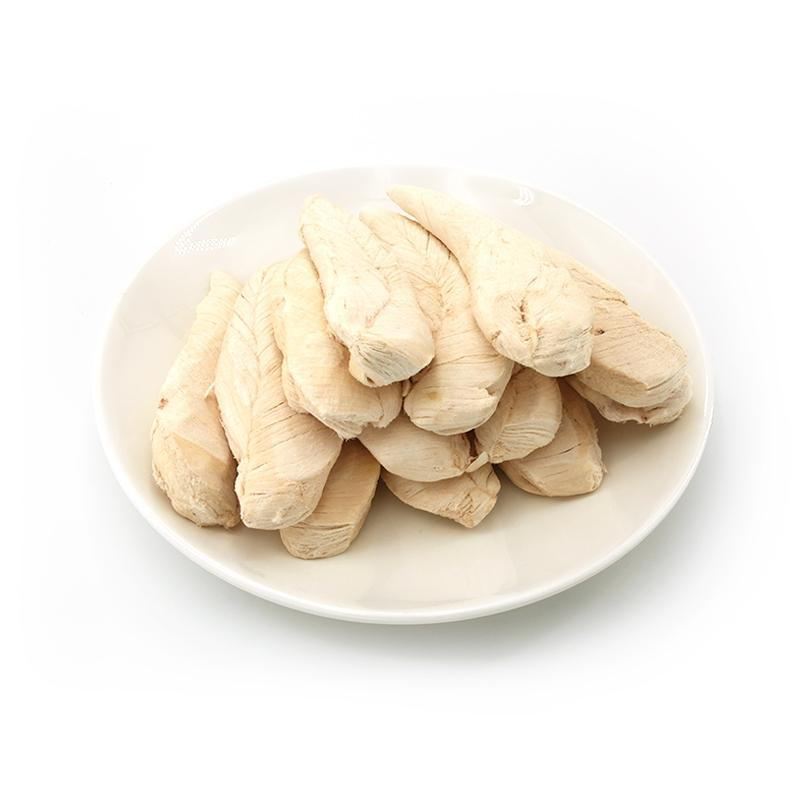
One of the strongest arguments in favor of freeze-dried dog treats is nutrition. While treats should only make up a portion of a dog’s diet, the quality of treats still matters, especially for dogs that receive rewards frequently.
Because freeze drying uses low temperatures, it helps preserve more of the original nutrients found in raw ingredients. This can be especially appealing for pet owners who want less processed food options.
Many standard dog treats are made primarily from flours, starches, artificial flavorings, and binders. These ingredients may help create affordable products, but they do not always provide much nutritional value. Freeze-dried treats, by contrast, are often built around meat-first formulas.
That means each bite may offer:
More protein
More natural flavor
Fewer fillers
Greater nutrient density
When viewed this way, freeze-dried dog treats may be worth the price simply because they provide more meaningful nutrition per serving.
A common mistake buyers make is comparing treat packages by weight alone. Freeze-dried treats are lighter because they have had most of their moisture removed. That means a smaller bag can still contain many servings.
Because freeze-dried dog treats are nutrient-dense and flavorful, many dogs find them highly rewarding even in small pieces. Owners can often break them into smaller portions for training or daily rewards.
This can make the product more economical than it first appears. A premium treat that lasts longer and requires less product per use may offer better real-world value than a cheaper bag that is used up quickly.
For pet owners trying to manage calorie intake or avoid overfeeding, freeze-dried treats can be especially helpful. Their strong palatability means even a tiny amount can be effective as a reward.
For many pet owners, a treat is not just a snack. It is a training tool. And when it comes to training, motivation matters.
Dogs generally respond better to rewards they find truly exciting. Because freeze-dried dog treats preserve natural meat aroma and taste, they are often considered high-value rewards.
During training, especially for difficult tasks or distracting environments, a dog may ignore low-interest treats. Freeze-dried options often work better because they are more appealing.
They can be especially useful for:
Recall training
Puppy training
Leash manners
Crate training
Agility work
Behavior shaping
Focus exercises
If a premium treat improves training effectiveness, many owners will see that as worth the added cost.
A treat that helps a dog learn faster, stay engaged longer, and respond more consistently can offer value beyond nutrition. In that sense, freeze-dried dog treats may save time, reduce frustration, and improve the human-animal bond.
Another reason freeze-dried dog treats are often worth the price is their simplicity. Many are made with one protein source and no unnecessary additives. For dogs with digestive sensitivities or ingredient intolerances, this can make a big difference.
When owners are trying to avoid certain allergens or identify the cause of food-related issues, single-ingredient treats are extremely useful. They make feeding more predictable and reduce the guesswork.
Low-cost treats often contain a long list of ingredients, including grains, meat derivatives, artificial flavors, and preservatives. These extra ingredients may not bother every dog, but they can be problematic for sensitive pets.
In these cases, paying more for cleaner, simpler freeze-dried dog treats may be a smart investment in digestive comfort and feeding confidence.
At first glance, convenience may not seem like a health or price factor. But in daily life, it matters a lot.
Freeze-dried treats give pet owners some of the appeal of raw meat-based feeding without the inconvenience of refrigeration, mess, or short shelf life.
Because they are shelf-stable and lightweight, freeze-dried dog treats are convenient for:
Training sessions
Walks
Travel
Dog parks
Veterinary visits
Outdoor activities
This ease of use increases the likelihood that owners will consistently choose better-quality treats rather than grabbing lower-value alternatives.
Raw or fresh meat treats can be inconvenient to handle outside the home. Freeze-dried options provide a practical solution for owners who want premium nutrition with greater portability.
For many busy dog owners, that convenience alone helps justify the higher price.
Although freeze-dried dog treats offer many advantages, they are not automatically the best choice for every buyer or every situation.
If someone simply needs the cheapest treat possible, freeze-dried products may not be the right fit. Their higher production cost means they are unlikely to compete with basic baked snacks on price alone.
Not every expensive product delivers real value. Some freeze-dried treats may be overpriced due to branding, packaging, or marketing rather than ingredient quality. That is why buyers should still compare formulas, sourcing standards, and manufacturer reliability.
While many dogs do very well with freeze-dried dog treats, some may need lower-fat, lower-protein, or medically controlled diets. In those cases, even premium treats should be selected carefully and used under professional guidance.
The best way to answer the price question is to evaluate value based on your own dog’s needs and your own feeding priorities.
Does my dog respond strongly to meat-based treats?
Do I care about simple, clean ingredients?
Is my dog sensitive to fillers or artificial additives?
Do I want treats that can also work as toppers or training rewards?
Am I looking for premium nutrition rather than the lowest cost?
Would I rather feed fewer, better treats than larger quantities of cheaper snacks?
If the answer to most of these questions is yes, then freeze-dried dog treats are likely worth the price.
If you decide to invest in freeze-dried dog treats, choosing the right product is important. A premium price should come with premium quality.
The ingredient list should clearly identify the protein source, such as chicken, duck, beef, lamb, or salmon.
Single-ingredient products or very simple recipes are often easier to trust and easier for sensitive dogs to tolerate.
High-quality freeze-dried dog treats should not rely on artificial colors, excessive flavorings, or filler ingredients.
Reliable manufacturing matters. Professional factories, advanced equipment, quality control systems, and stable production capacity all support product consistency and safety.
Some treats are better for training because they are easy to break into small pieces. Others work better as toppers or premium snacks. The best value comes from choosing the right format for the job.
The real question is not “Are freeze-dried dog treats more expensive?” They usually are. The better question is “Do they deliver enough extra value to justify the higher cost?”
In many cases, the answer is yes.
If a treat offers:
Better ingredient quality
Higher protein levels
Better digestibility
Stronger palatability
Cleaner labels
Greater versatility
Easier portion control
Better training performance
then the product may provide better overall value than a cheaper alternative.
A less expensive treat may save money upfront, but if it contains lower-value ingredients, causes digestive issues, fails to motivate during training, or gets fed in larger amounts, the actual value may be lower.
That is why many owners, retailers, and pet food professionals see freeze-dried dog treats not as an unnecessary luxury, but as a worthwhile premium category.
The growing popularity of freeze-dried dog treats reflects a larger shift in pet care. More people want products that feel closer to natural nutrition. They are willing to pay more when they believe the product supports their dog’s well-being and offers transparent quality.
This trend is especially strong in premium and export-oriented pet food markets, where clean-label positioning, protein-rich formulas, and advanced manufacturing standards matter more than ever.
As consumers become more educated, the conversation is shifting from price alone to value, and freeze-dried treats are benefiting from that change.
So, are freeze-dried dog treats worth the price? For many dog owners, the answer is yes. While they do cost more than many traditional treats, they often deliver meaningful advantages in return: better ingredient quality, higher protein content, stronger palatability, cleaner labels, easier digestibility, and more versatility in training and daily feeding. When you consider how concentrated, functional, and effective these treats can be, the higher price often reflects real value rather than simple premium positioning.
As demand for premium pet nutrition continues to rise, choosing the right manufacturing partner becomes increasingly important for brands and buyers alike. Experienced manufacturers with advanced technology and strict quality standards help ensure that premium products truly live up to their promise. As one of the most experienced and professional pet foods and treats manufacturers, Grand China Lucas, a subsidiary of Shengyang Hongfu Holdings Group and also known as Qingdao Yalute Foods Co., Ltd., has been committed to quality-first production since 2006. With 6 subsidiaries, 1200 professional operators, 6 human-consumption-standard processing factories, advanced fully automated production equipment, and strong annual output across freeze-dried, air-dried, wet food, and dry food categories, Grand China Lucas continues to provide reliable, innovative, and scalable pet nutrition solutions for global partners.
Freeze-dried dog treats are more expensive because the freeze-drying process requires advanced equipment, longer processing time, and higher production costs. They are also often made with premium meat-based ingredients rather than low-cost fillers.
In many cases, yes. They are often higher in protein, minimally processed, and made with simpler ingredient lists. Many pet owners choose them because they offer more nutritional value than heavily processed conventional treats.
They can last a long time when stored properly in a cool, dry place and sealed after opening. Because moisture has been removed, they are shelf-stable and convenient for daily use.
Yes. Freeze-dried dog treats are excellent for training because dogs usually find them highly rewarding. Their strong natural aroma and taste make them effective as high-value rewards.
Often, yes. Picky dogs are usually more interested in freeze-dried treats because they retain the smell and flavor of real meat. This can make them especially useful for selective eaters or dogs that lose interest in ordinary snacks.


